lazy game developer

Showing: 10 - 13 of 13 RESULTS
Krakoid

Krakoid

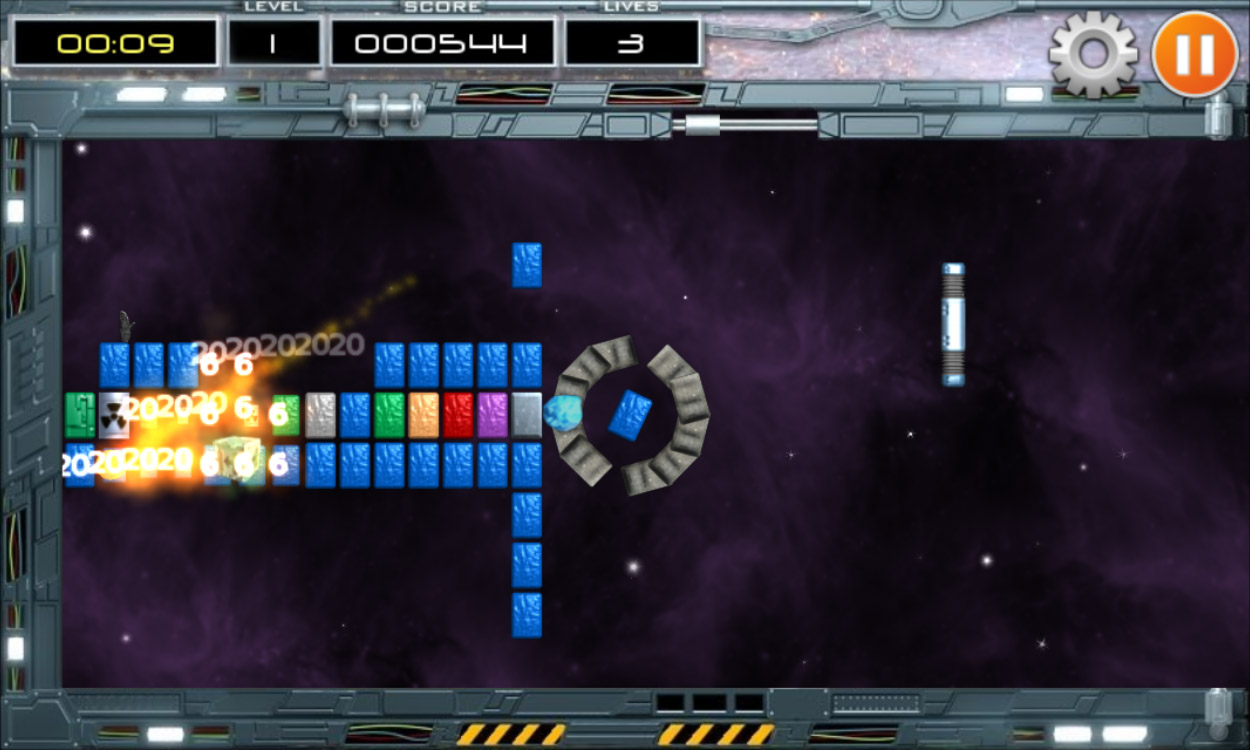
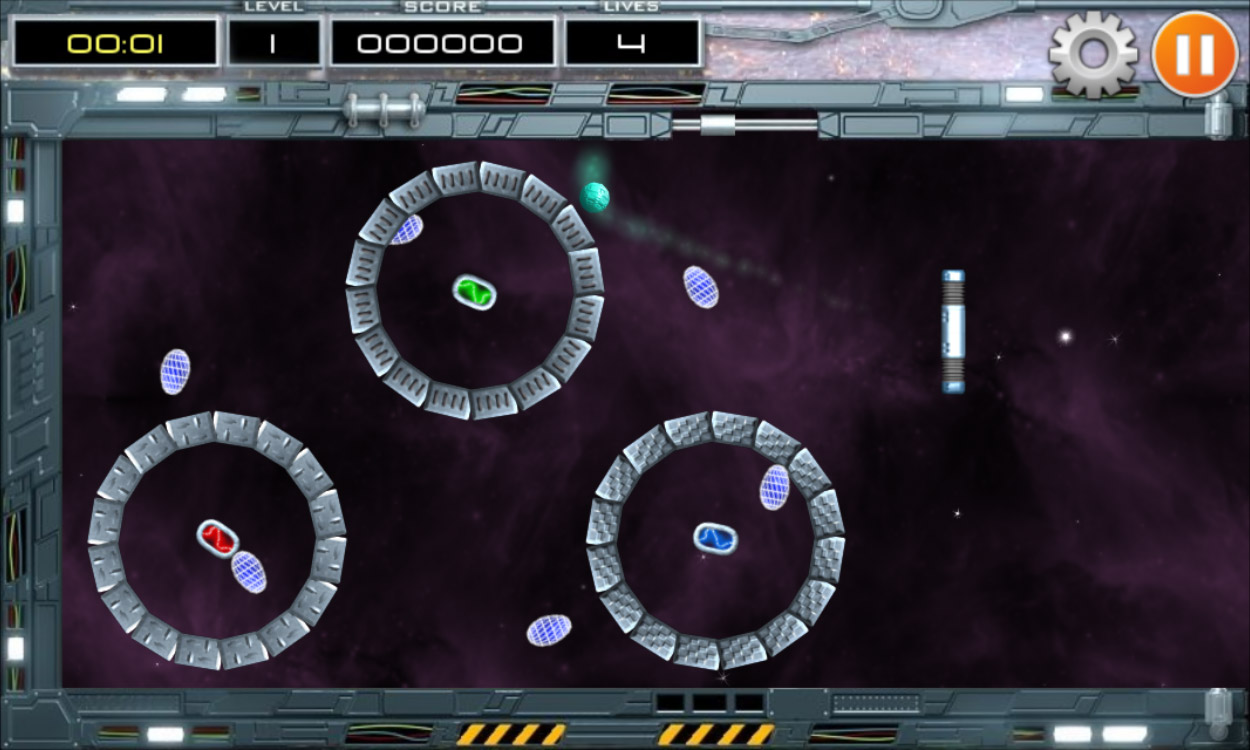
Yes, it’s another game inspired by Krakout.

Mid-2013.

The idea was simple: “I’ll take Krakout and Arkanoid: Space Ball, quickly rework them, and release something new.” Yeah, right – wishful thinking. “Quickly” didn’t happen for several reasons: the old game code was useless, and even looking at it hurt my eyes; plus, the plan was to use a new (for that time) version of the engine and replace my old simplified math with the Box2D physics engine.

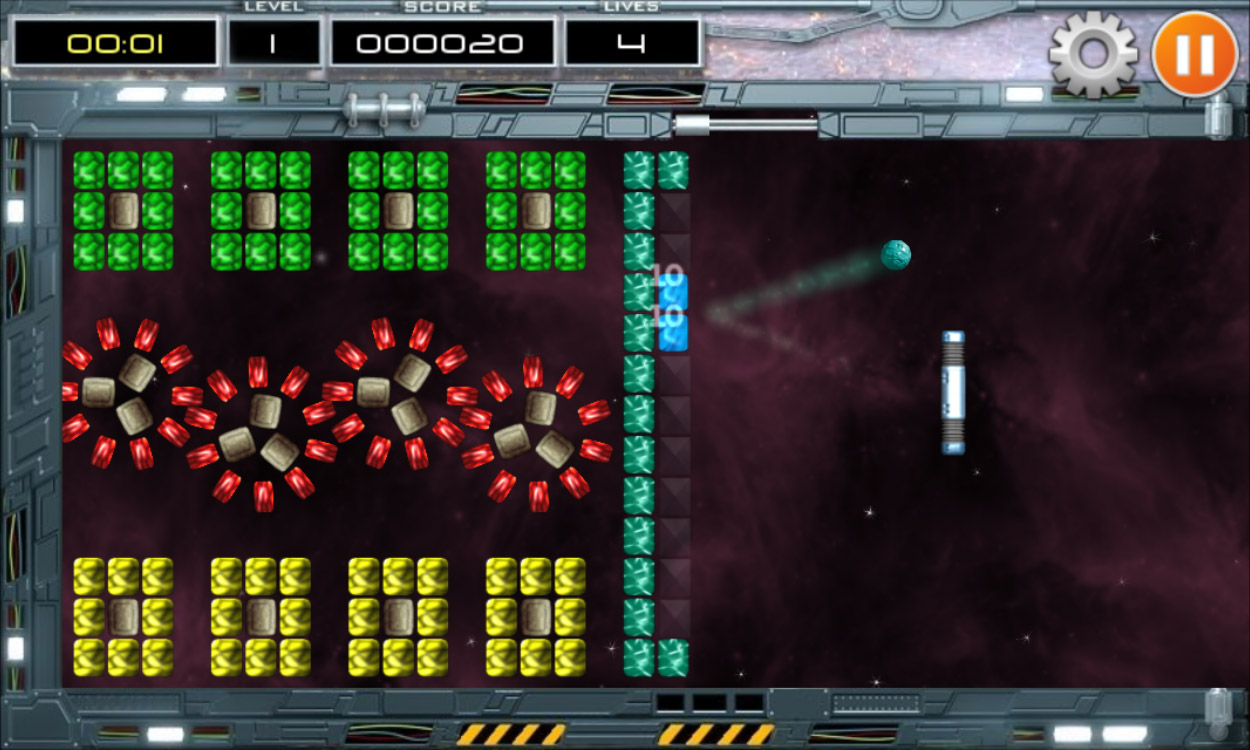
So the old projects “voluntarily shared” only some assets and ideas – the game itself was written entirely from scratch. Levels in the game were grouped into worlds – there were 10 worlds in total, each containing between 10 and 40 levels.
To save time, some worlds were copied from previous games. But several levels and even entire worlds were newly designed. Different people worked on different levels and worlds.
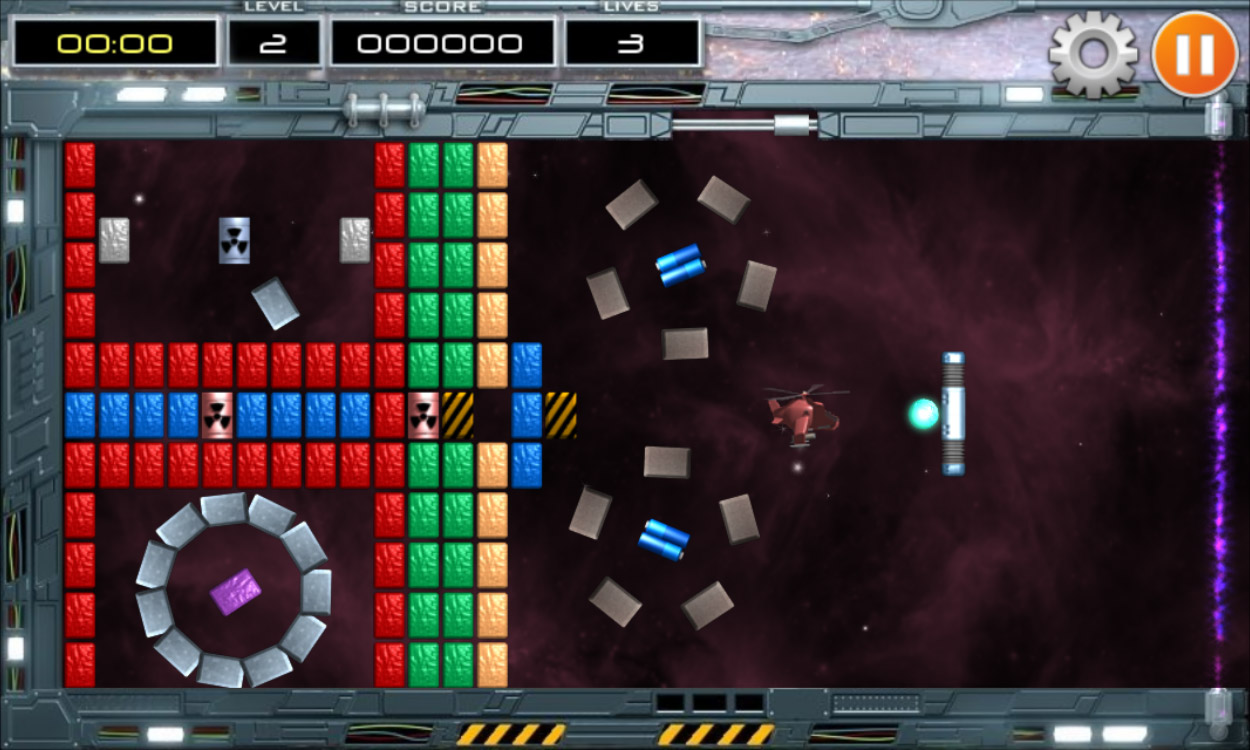
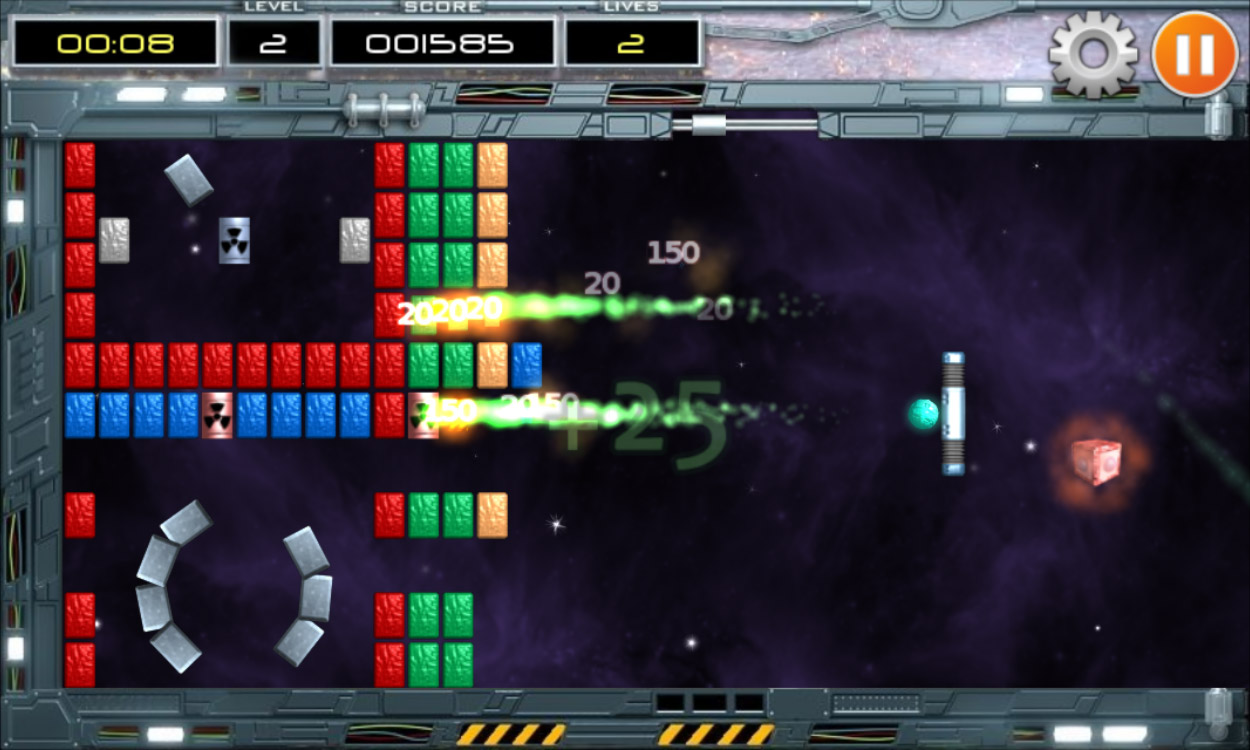
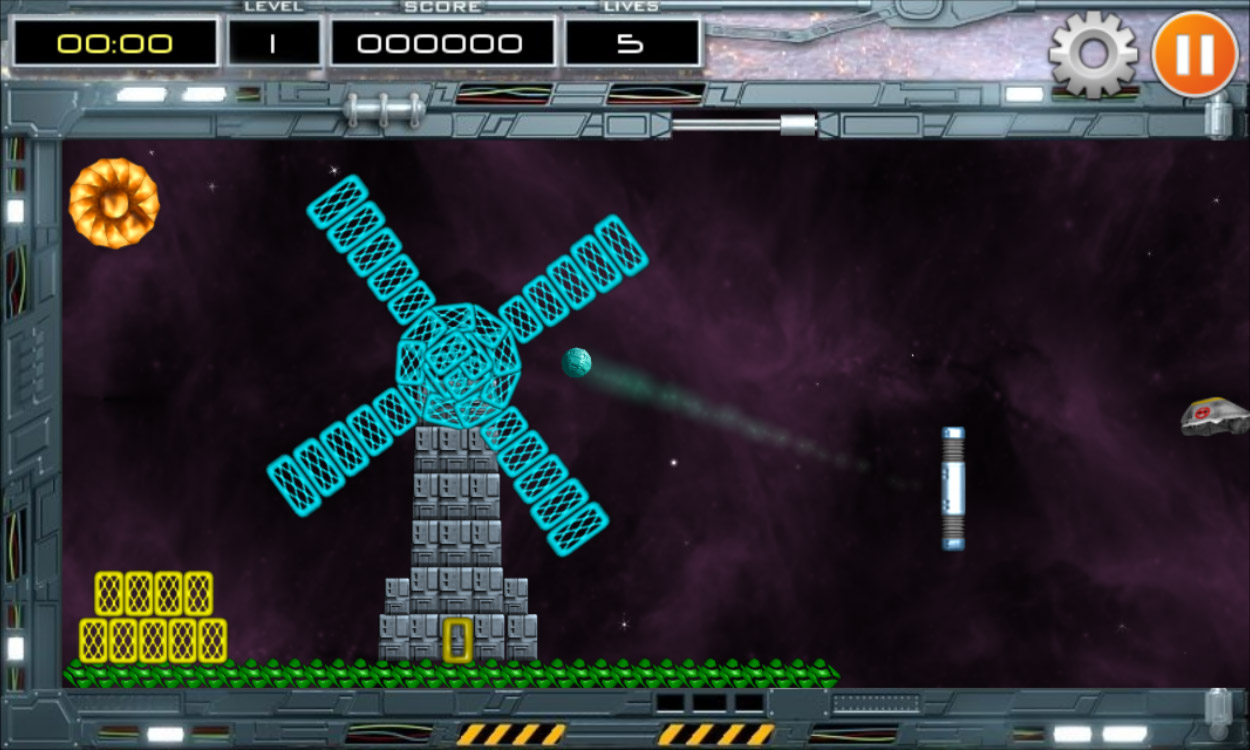
Because the game’s levels were meant to be dynamic, an external editor was created for building episode worlds. Level data was stored in XML, describing object types, appearance, behavior, and durability. The editor worked with object groups – for example, a circular trajectory with radii R1 and R2, rotation speed and direction, and the number and type of objects on it. When loading a level, each object became independent in the game while still visually belonging to its group.

Krakoid on the OUYA TV console

Target platforms were iOS, Android, Android TV, OUYA, Linux, macOS, and Windows. Both the game and the engine were written in C++. Development was done under Linux, in my favorite editor – VIM.

At one point, a publisher from China requested the game. I had to implement special, localized payment methods. The tricky part was that each mobile operator had its own SDK for different payment systems. It was impossible to test integrations locally, so I had to rely on sparse documentation and my own experience. I don’t remember how long it took to implement all the payment options, but the work was eventually completed. A special build of the game was sent to the publisher for testing – after which the publisher disappeared.
And that wasn’t the first publisher to vanish after receiving a build.

«Geniuses learn from others’ mistakes, smart people learn from their own, and only fools keep repeating the same ones»
© Folk wisdom
Arkanoid: Space Ball

Arkanoid: Space Ball

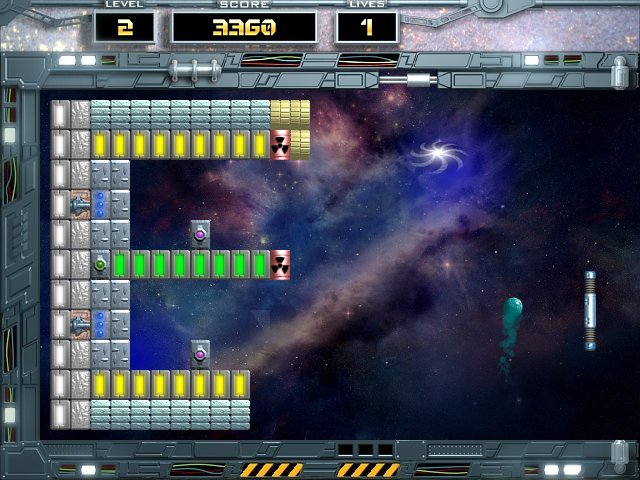
Arkanoid: Space Ball will be a surprise for the amateurs of unusual and picturesque games as Arkanoid and space games. Everybody who wishes to spend time perfectly will take a pleasure in Arkanoid: Space Ball too. A futuristic atmosphere, modern techno-style graphics, a dynamical gameplay and an excellent soundtrack give this game as a present for all Arkanoid’s admirers.

You have to clear a lot of platforms-levels soaring in space, and meteorites, spacecrafts and guns of enemies constantly will be threatened your life. Numerous bonuses dropped out from the broken blocks will help you to pass all obstacles: the laser, the rocket launcher, force fields and many other things. Game is distinguished by the features interesting and unusual for classical Arkanoid: horizontally oriented break block formation, moving and shooting bricks, Gravitational anomalies effects to flights of the balls and missiles, etc. In short, whether you are a teenager, student, parent or grandparent, you will instantly fall in love with this exciting game.

Main features

  • Level generator – non stop gameplay
  • Level editor – create your own worlds
  • 2 modes to play – usual arcade mode and krakout mode
  • Original bonuses and power-ups – use it carrefuly
  • Unusual space objects – we are in space, who know what come

Downloads

Simple Viewer GL

Simple Viewer GL

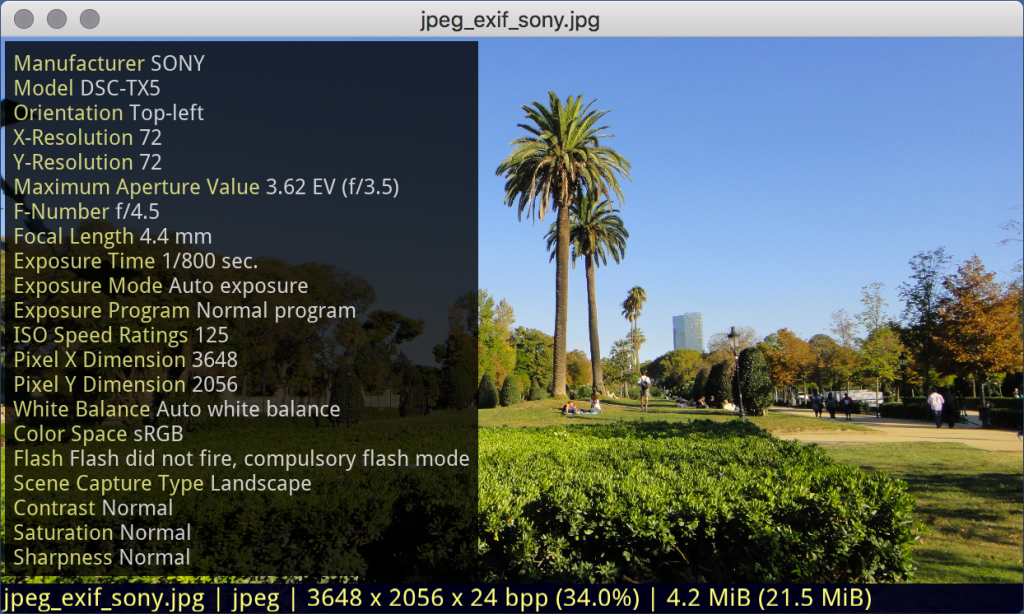
Lightweight image viewer powered by OpenGL.

I use this viewer daily for:

  • Quickly browsing through a list of images.
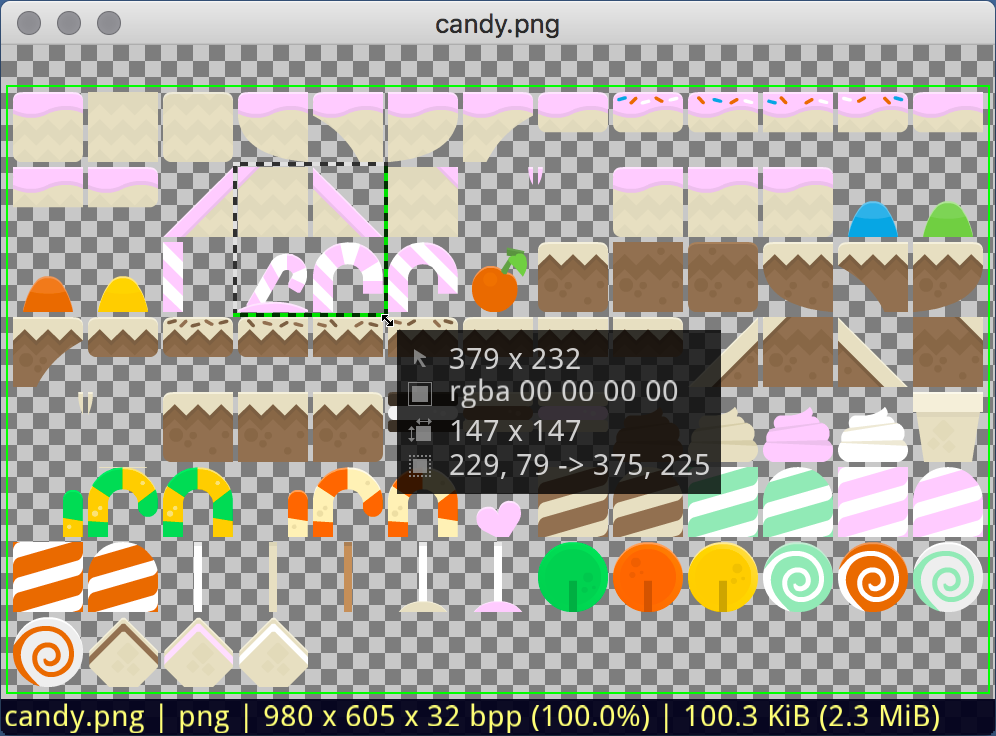
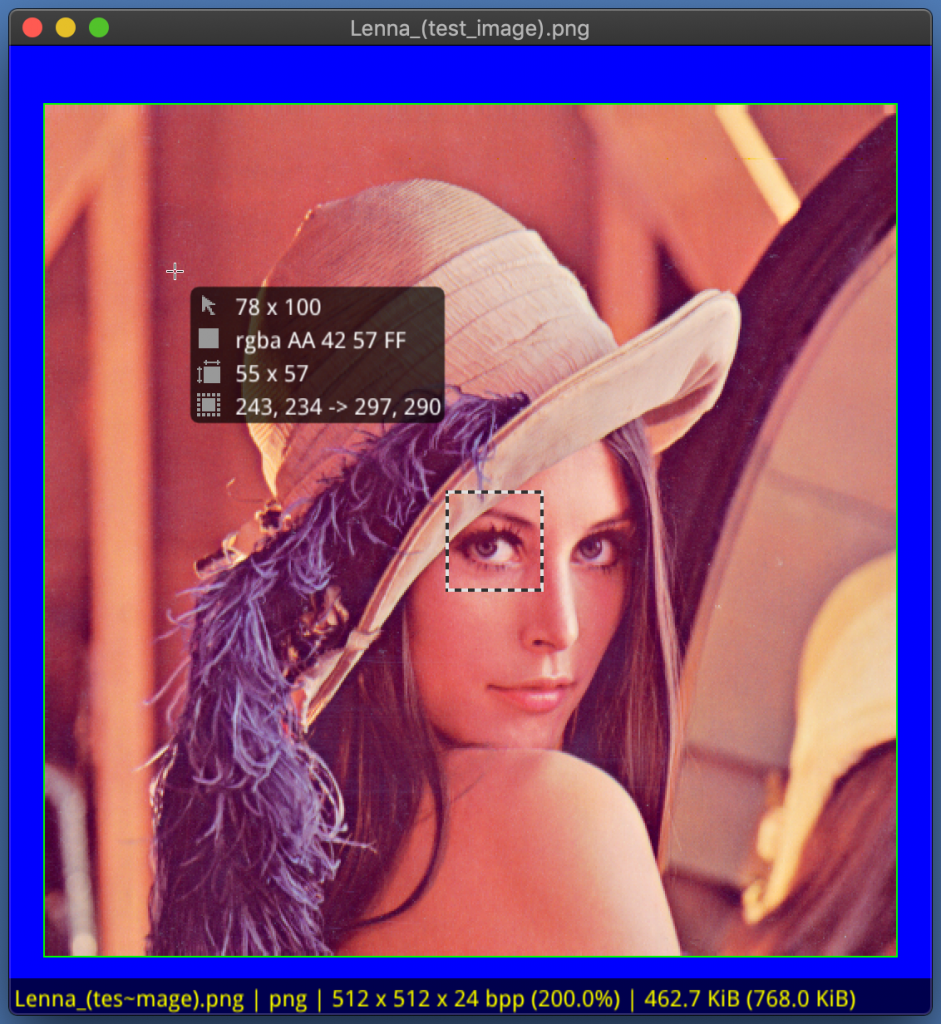
  • Determining the parameters of the area occupied by a sprite on a texture.

Advantages:

  • Compact and fast.
  • OpenGL support for smooth operation.
  • Simple interface for quick image viewing.
  • Sprite parameter determination feature.

Wide range of supported formats:

  • Graphics formats: PSD, AI, EPS, PNG, XCF, JPEG 2000, JPEG, TIFF, ICO, DDS, GIF, BMP, TARGA, PNM, XWD, XPM.
  • Image formats: SCR (ZX-Spectrum), WebP, OpenEXR.

Additional features:

  • Multi-page TIFF.
  • PNG frame support in ICO.
  • View each GIF frame separately.

Advanced features:

  • ICC color profile support: Ensures accurate color reproduction using embedded ICC profiles.
  • Image file information: Access EXIF and other data stored in the image file (<e>).
  • Smooth loading: Loads images in a separate thread with a progress indicator.
  • Convenient navigation: Creates a file list and allows quick navigation to the desired position.
  • GIF animation support: Plays animated images in GIF format.
  • Pixel information: Displays the coordinates and color of the pixel under the cursor (key -p or <p>).
  • Area selection: Allows selecting a part of the image with a frame to determine coordinates and area size.
  • Quick zooming: Convenient zooming of the image using the keyboard or mouse.
  • Automatic scaling: Automatically adjusts the image to fit the viewer window.
  • Multi-page images: Views multi-page images using the PgUp and PgDn keys.
  • OpenGL: Utilizes OpenGL for high performance and smooth operation.
  • Large image splitting: Splits large images into multiple textures for performance optimization.

Simple Viewer GL source code is available on GitHub.

Between the Worlds logo

Between the Worlds

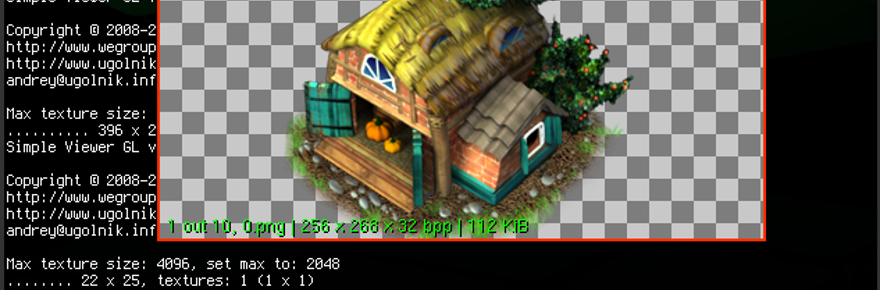
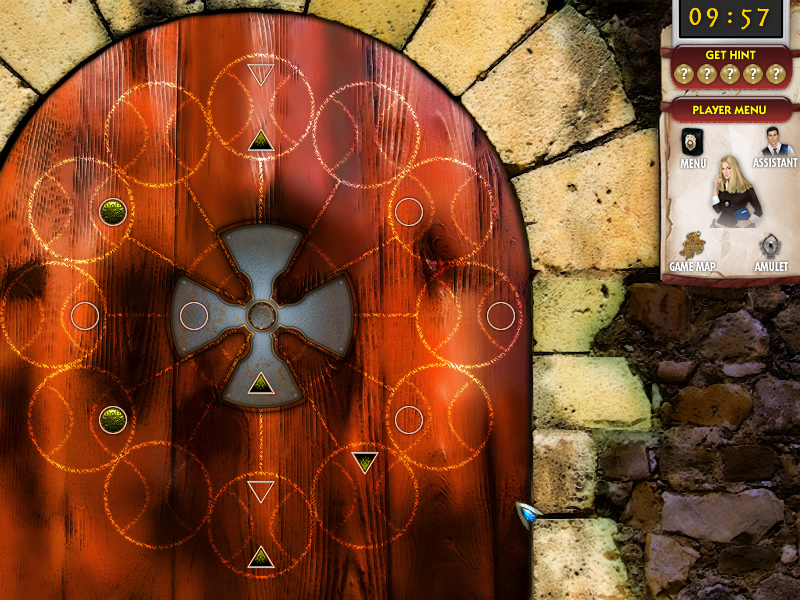
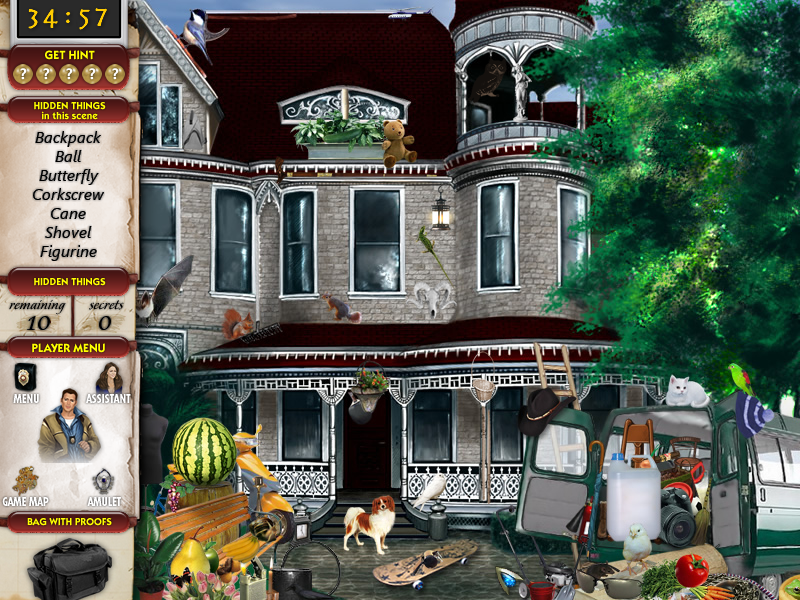
A hidden-object game with a mystical yet detective-style story. The player must move between the real and mystical worlds to solve various tasks.

The game features a range of logic and arcade mini-games.
The game was developed on a modified HGE engine using SDL libraries. Target platforms were Windows and macOS, while development was carried out on Linux. Versions for Windows and macOS were sent to publishers, but the Linux version remained on the development computer.

For a time, Between the Worlds was at the top of iWin’s publisher charts.

If memory serves, the game was released in 2008.