lazy game developer

Showing: 1 - 9 of 11 RESULTS
Bugzz Smasher

Bugzz Smaher

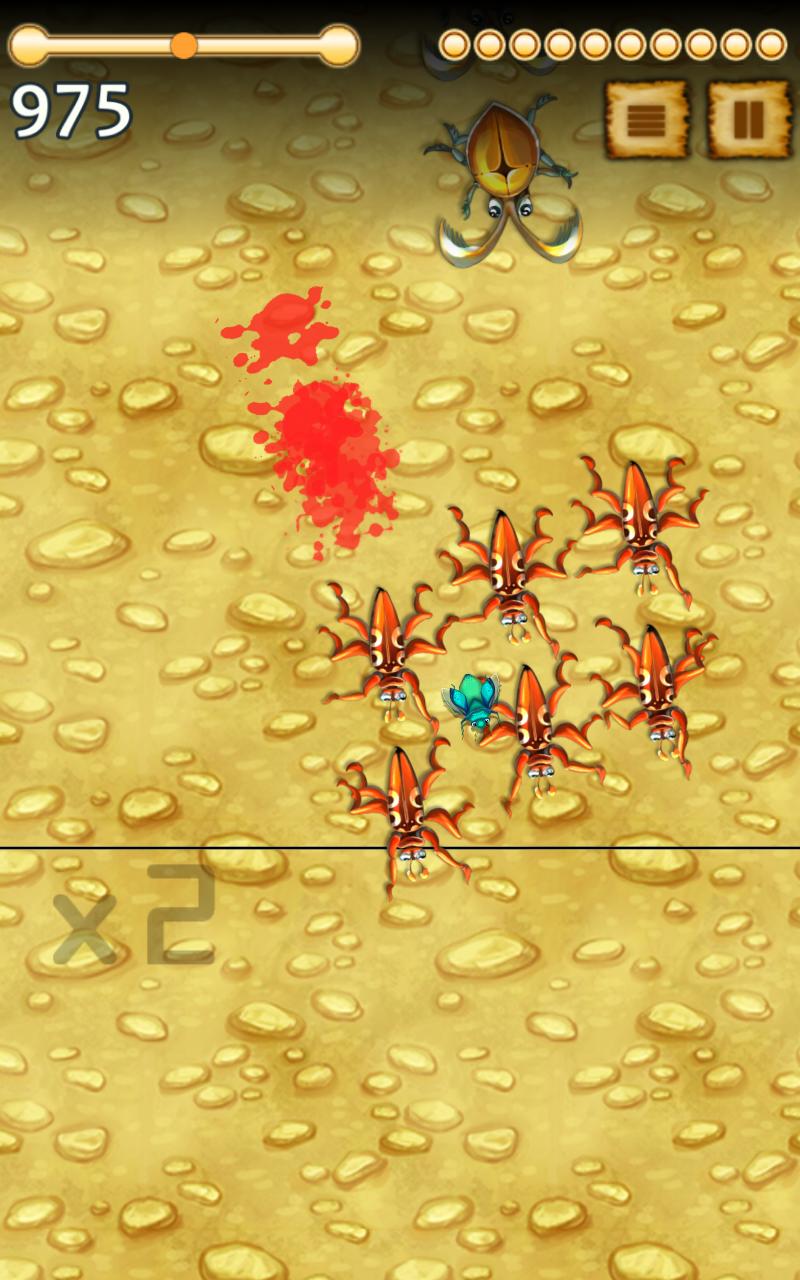
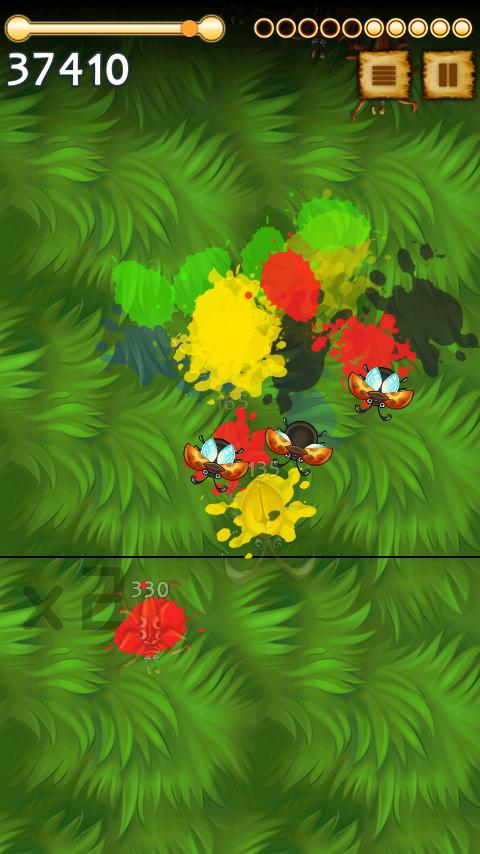
I created the first version of this game at my summer house over just two weekends in 2015. The full version differed only by minor interface tweaks, improvements to the wave generator, and Facebook integration.

The game featured saving and progress synchronization across devices, allowing players to exit on one device and continue on another. At the time, I thought this was a useful feature, but now I see it as an unnecessary use of time.
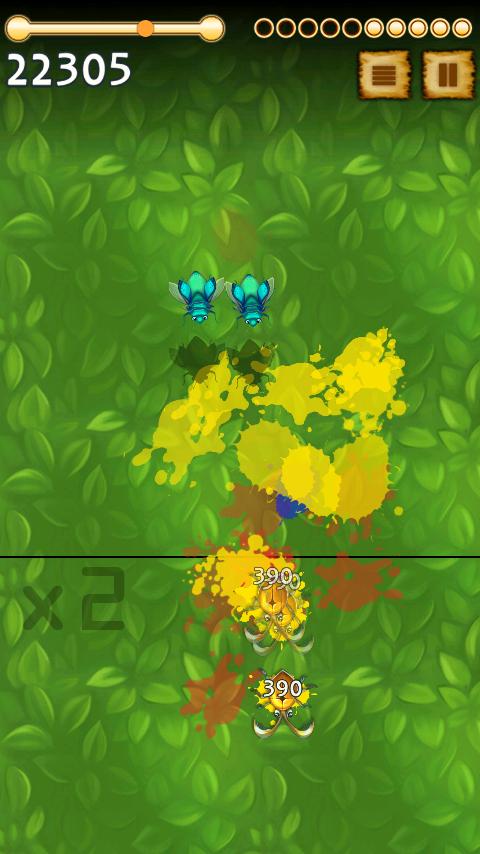
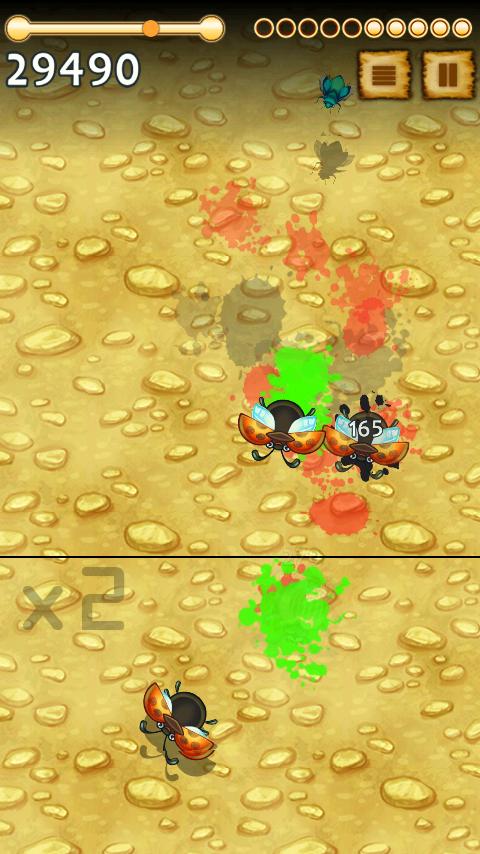
Most of the bugs in the game were originally made for another game that never saw the light of day. Yet in this game, they fit perfectly and added a unique charm. I designed the game interface myself using GIMP.

Dice or Die

Dice or Die

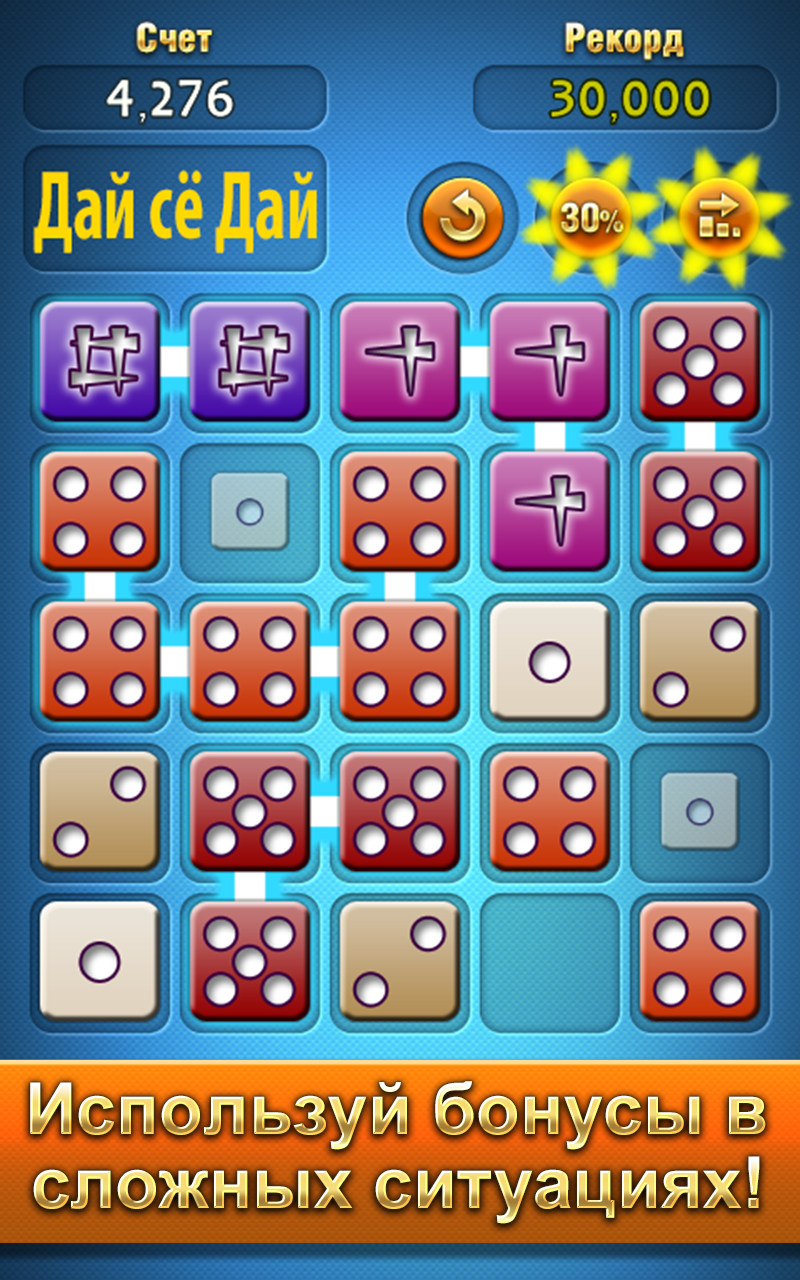
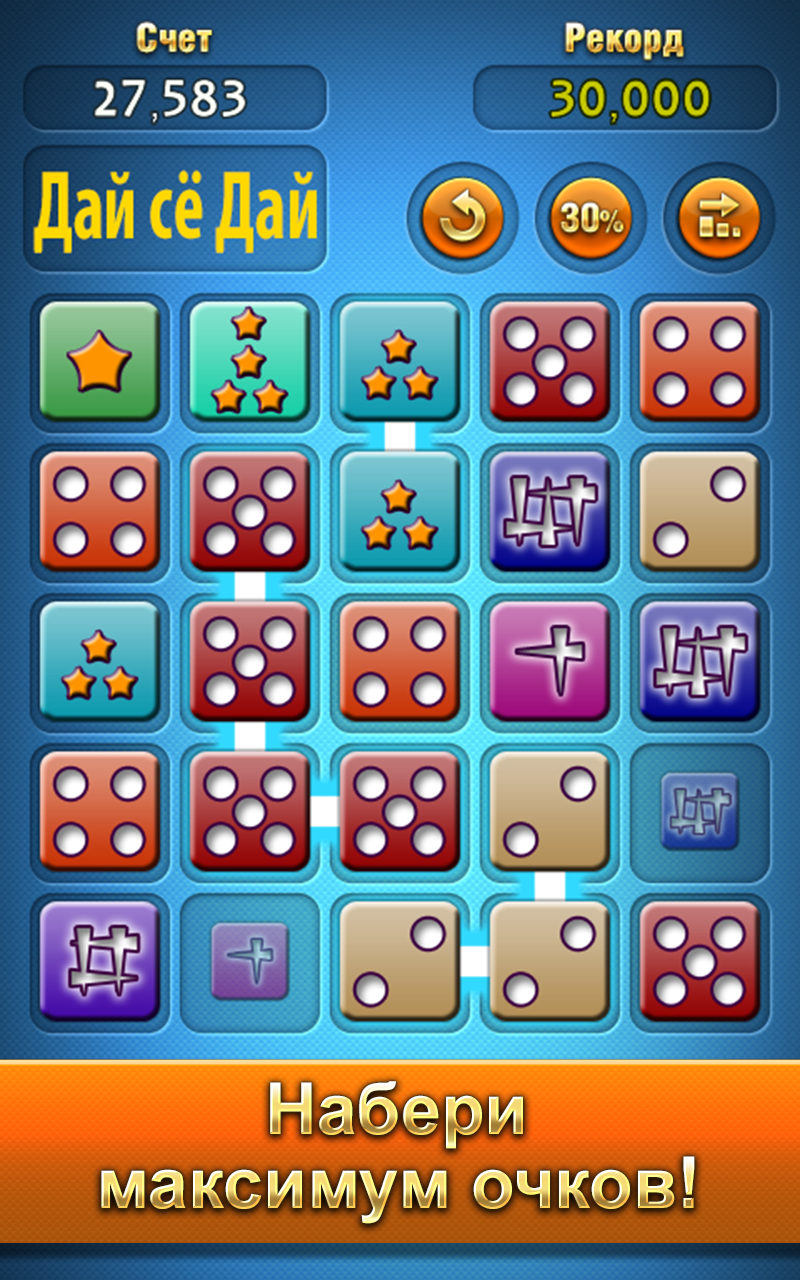
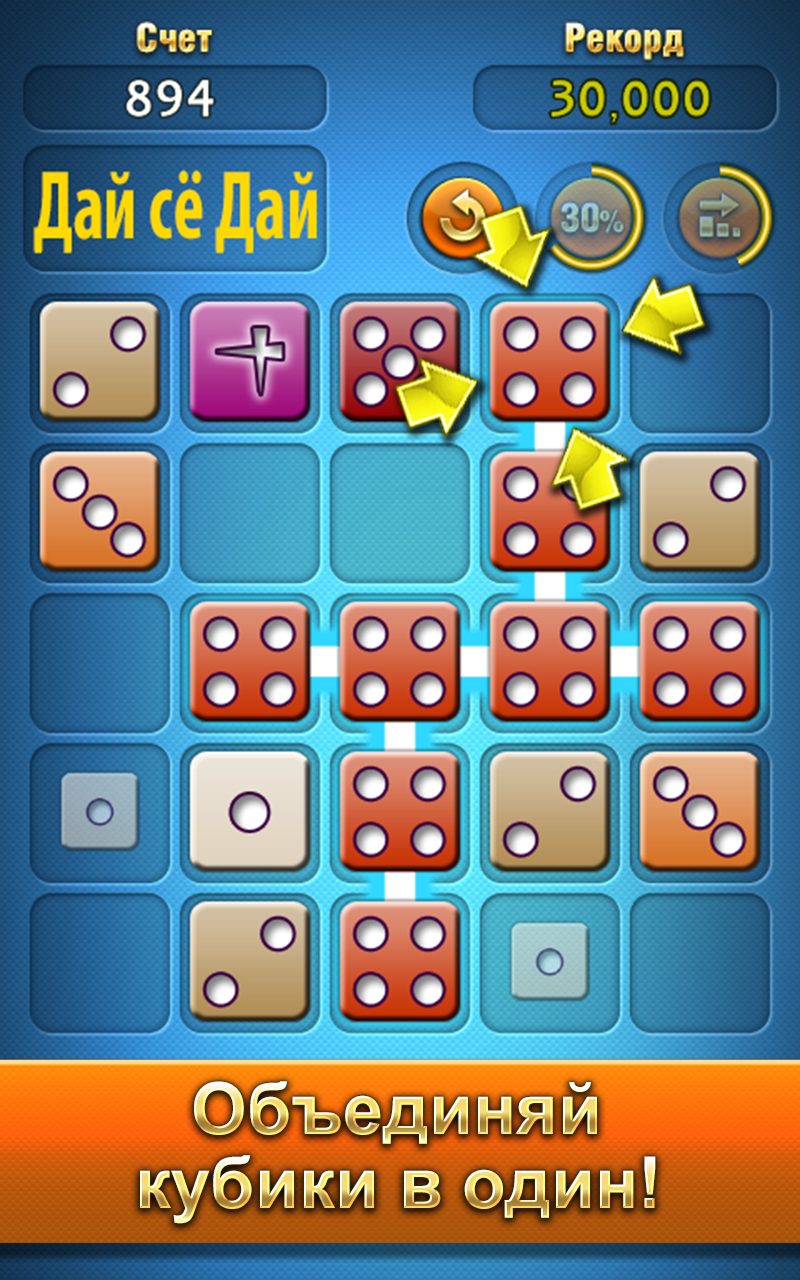
A logic game for mobile devices, blending elements of 2048, Color Lines, and Match-3.

This game, like Krakoid and Bugzz Smasher, was built on my own engine. The engine supported only a few platforms — Linux, macOS, Windows, iOS, and Android. Development was mainly done on Linux.

The screenshots show a later version of the game, where the graphics were polished to the level of “finally not hurting your eyes” at Melesta. The game was also published by Melesta. Unfortunately, it was completely unsuccessful. This may have been due to extremely long sessions, which could last days or even weeks, and poorly designed monetization. There was not even a basic rewarded video feature — only interstitial ads at the end of a session. And, as you may remember, sessions lasted a very long time.

  • Dice or Die for Android
  • I could not find a link to the iOS version of Dice or Die
Cower Defense

Cower Defense

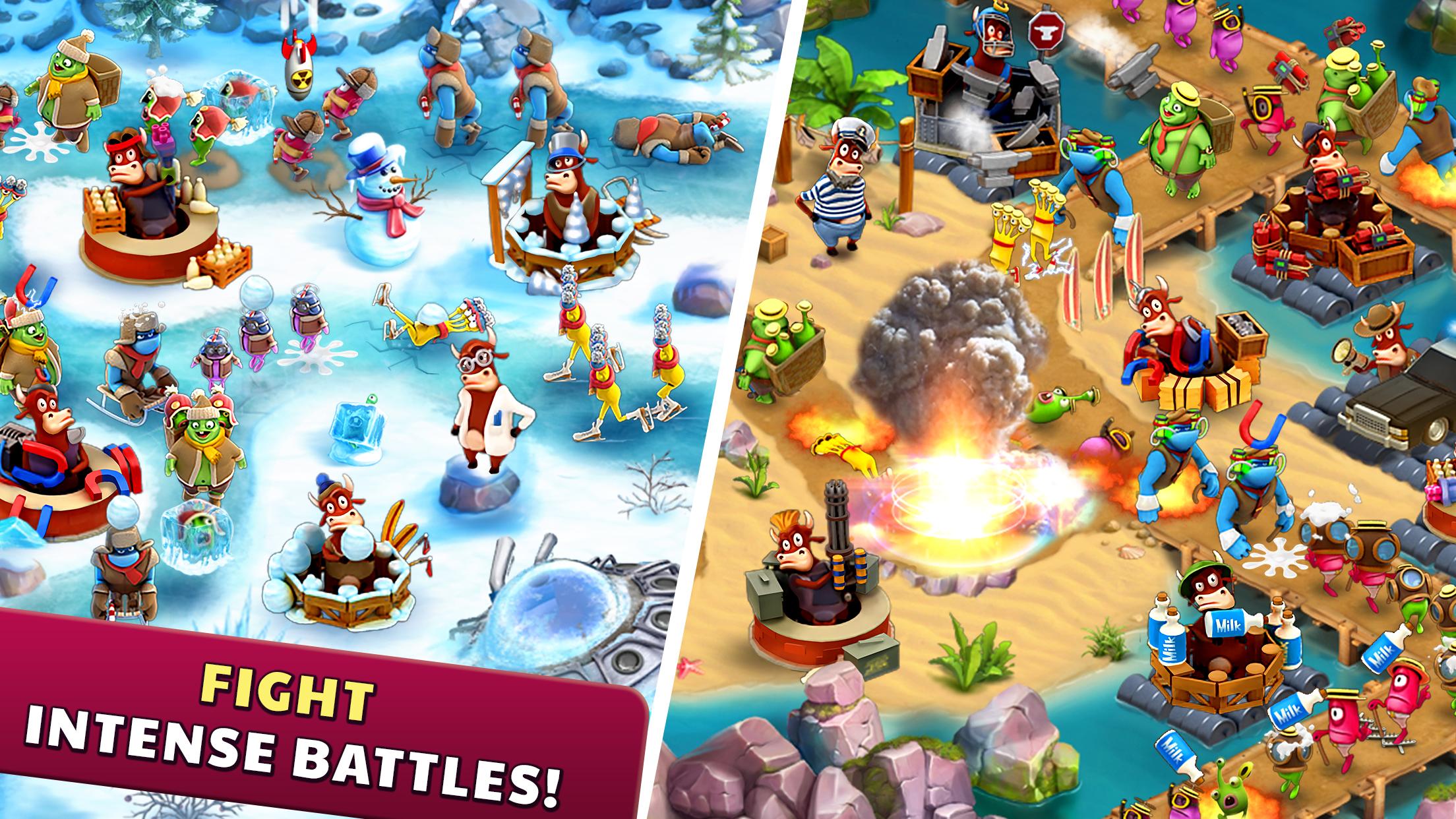
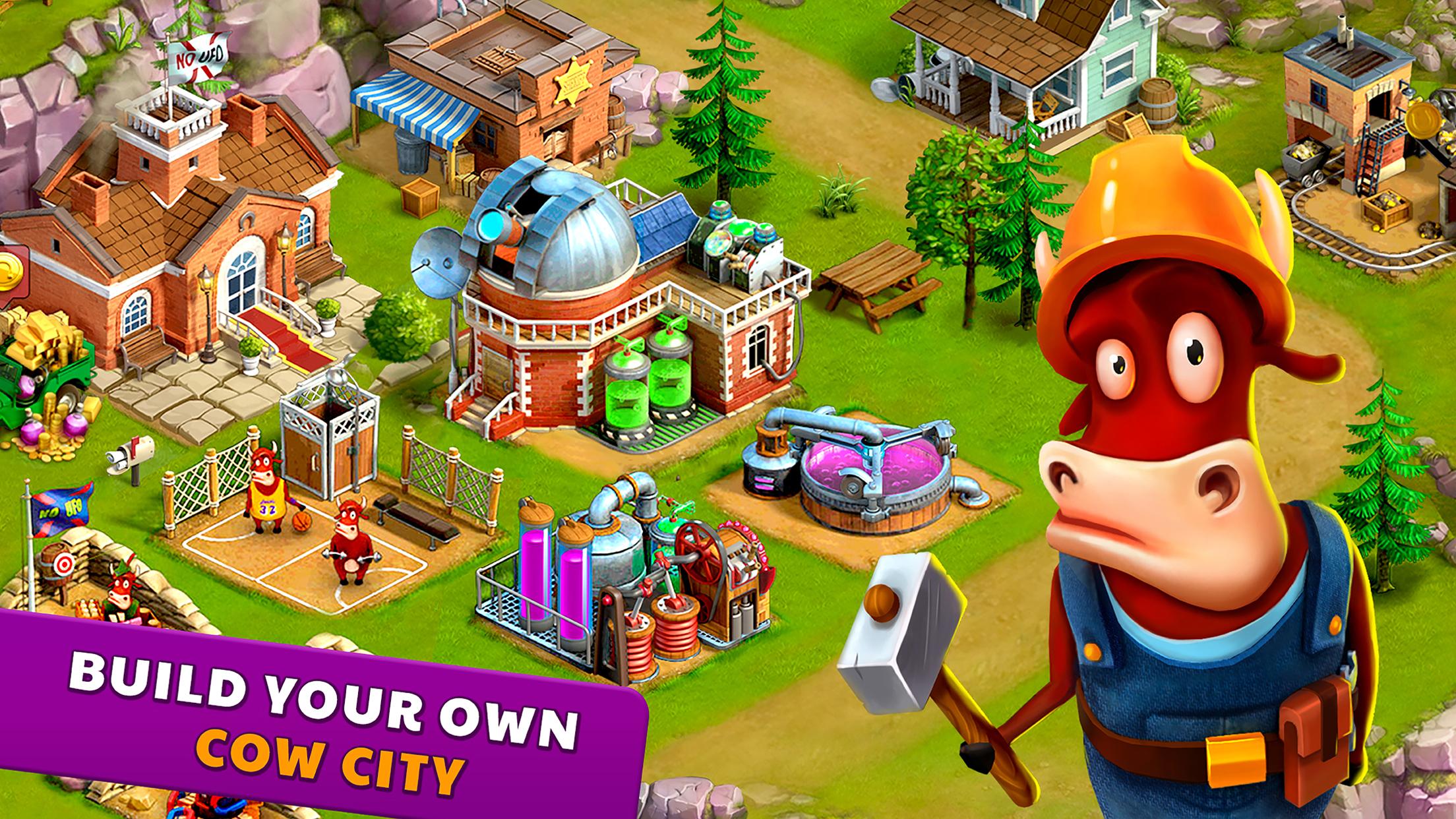
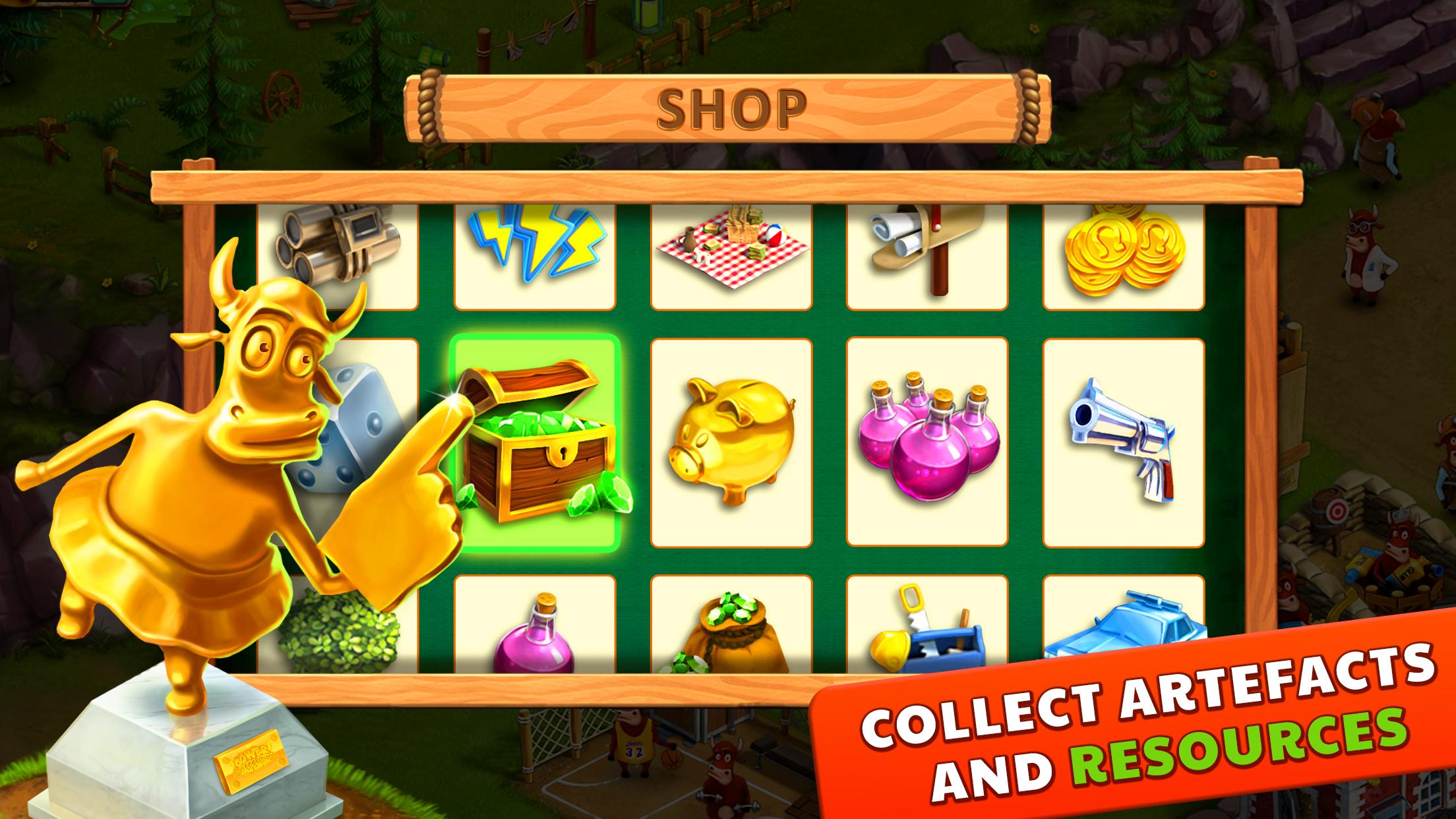
A tower defense game developed by Belka for social networks – a really cool game with a great story, artwork, and animations. The original game was built in Adobe Flash.

I was one of three programmers responsible for porting the game to iOS and Android, using C++ and a custom engine. I worked on the tower defense core of the game, the popup system, the tutorial system, a localization-merging utility, and various smaller features. Everything else – which was a huge amount of work – was done by other talented members of the team.

Some of the graphics and animations were taken from the original Flash version, while others were recreated from scratch. For example, most of the user interface was redrawn.

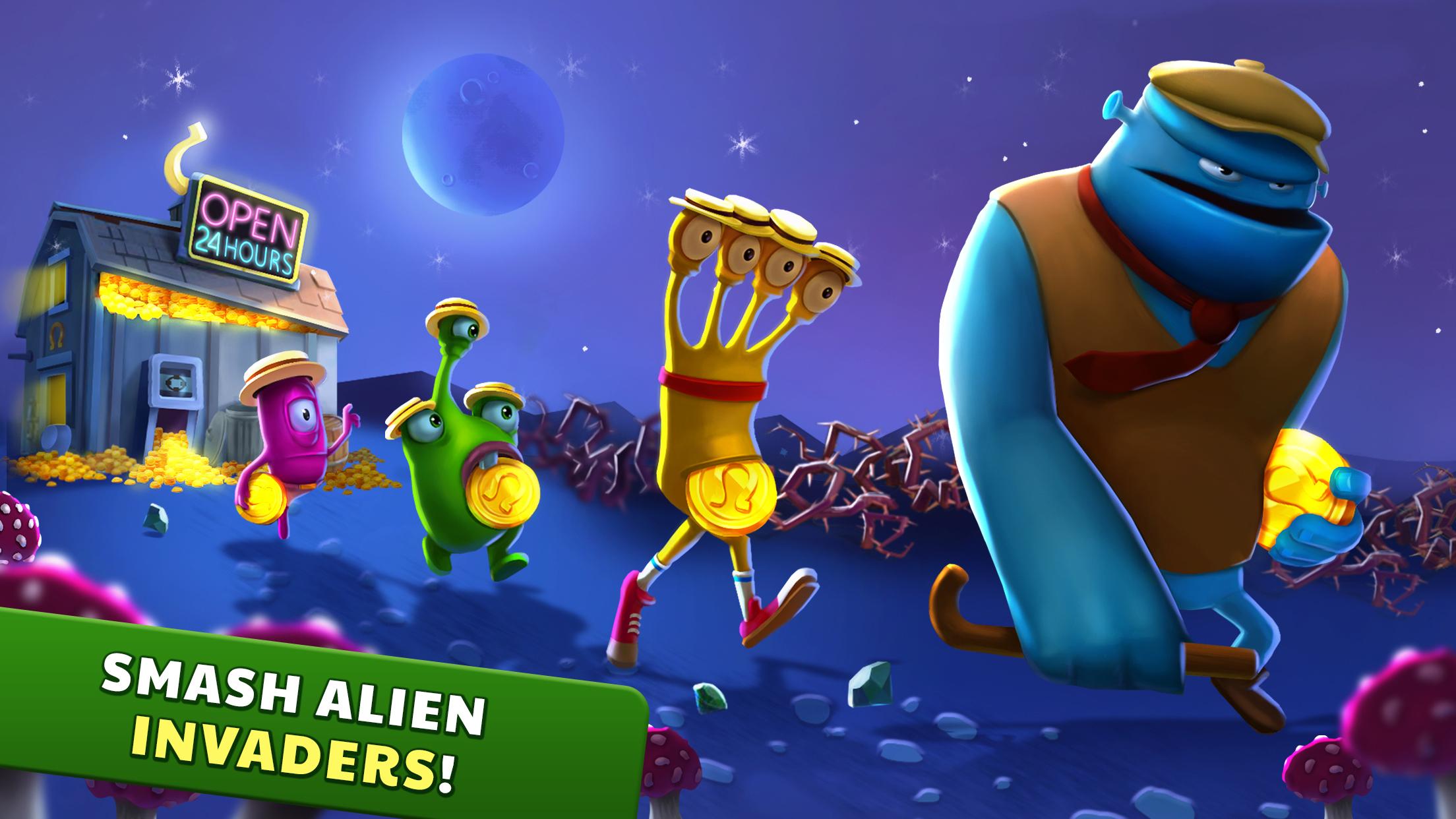
Cutscenes were implemented as video clips loaded from the server when needed, featuring animations of localized character dialogues. The old-film visual effect was implemented entirely in code.

Zombies Among Us

Zombies Among Us

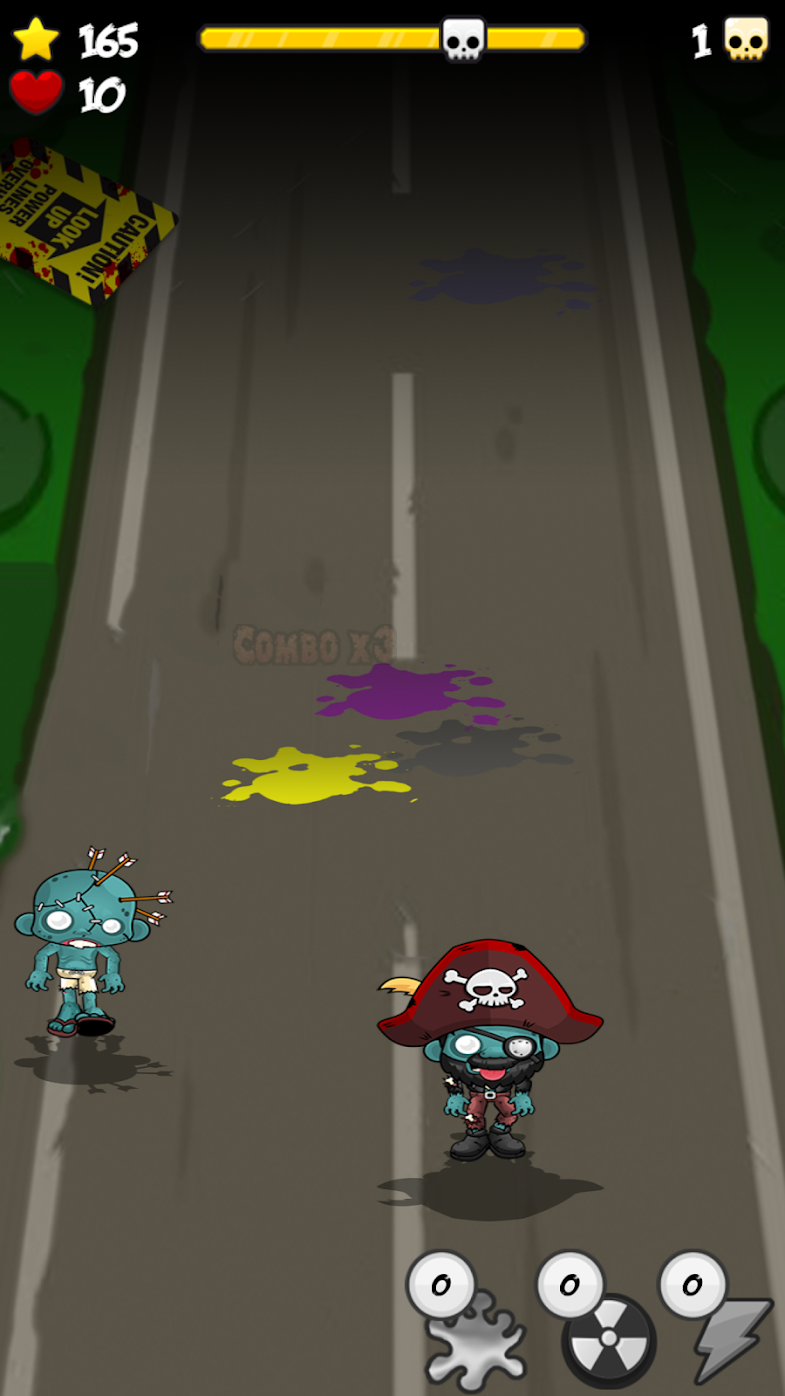
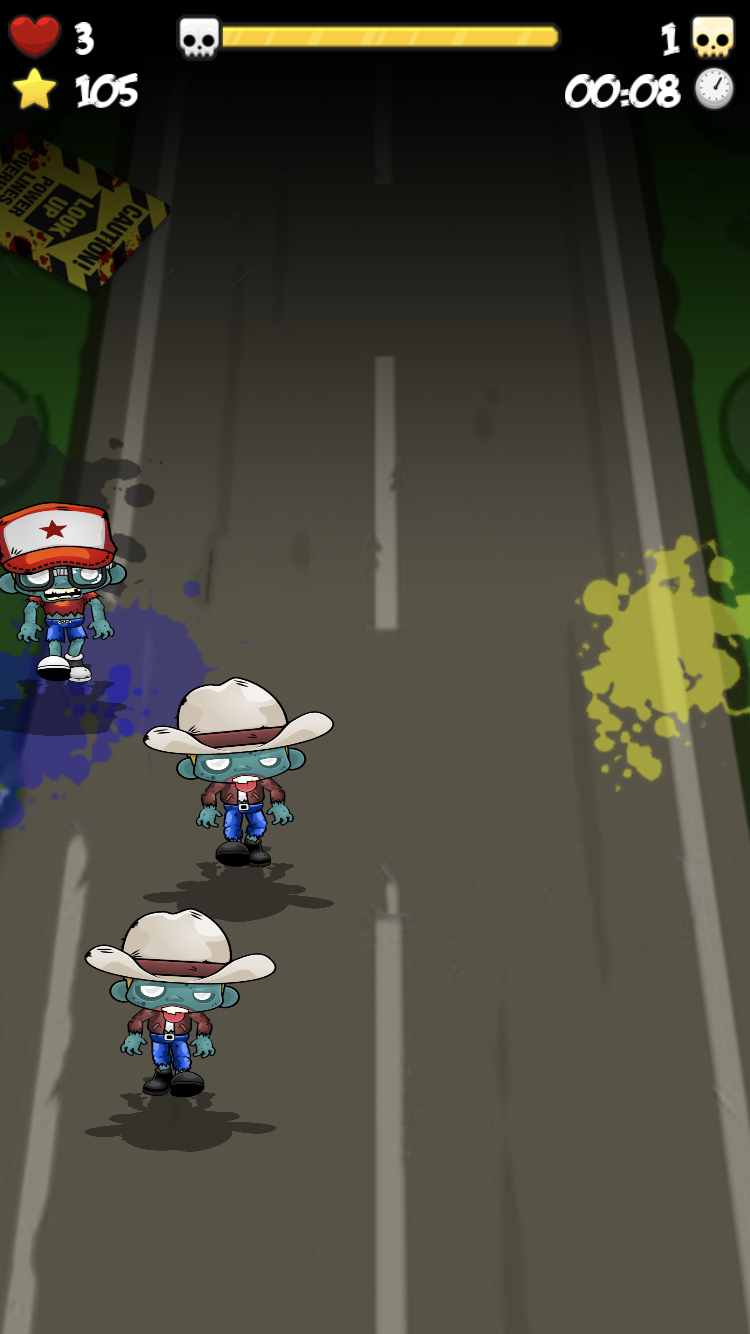
Not all zombies are equally useful. Crush them all, but be careful – some zombies aren’t quite ordinary.

The rules are simple: tap a zombie to kill it and use power-ups wisely.

All the artwork was purchased from specialized stock sources. There was nothing unusual during development – I was just making another game.

The only exception was the button. I had to make a change in the engine – adding a new event to the button widget, which was needed for the power-ups. I could have created a specialized widget instead, but I decided that extending the functionality of the standard button would be useful for future projects.

Squid Rage

Squid Rage

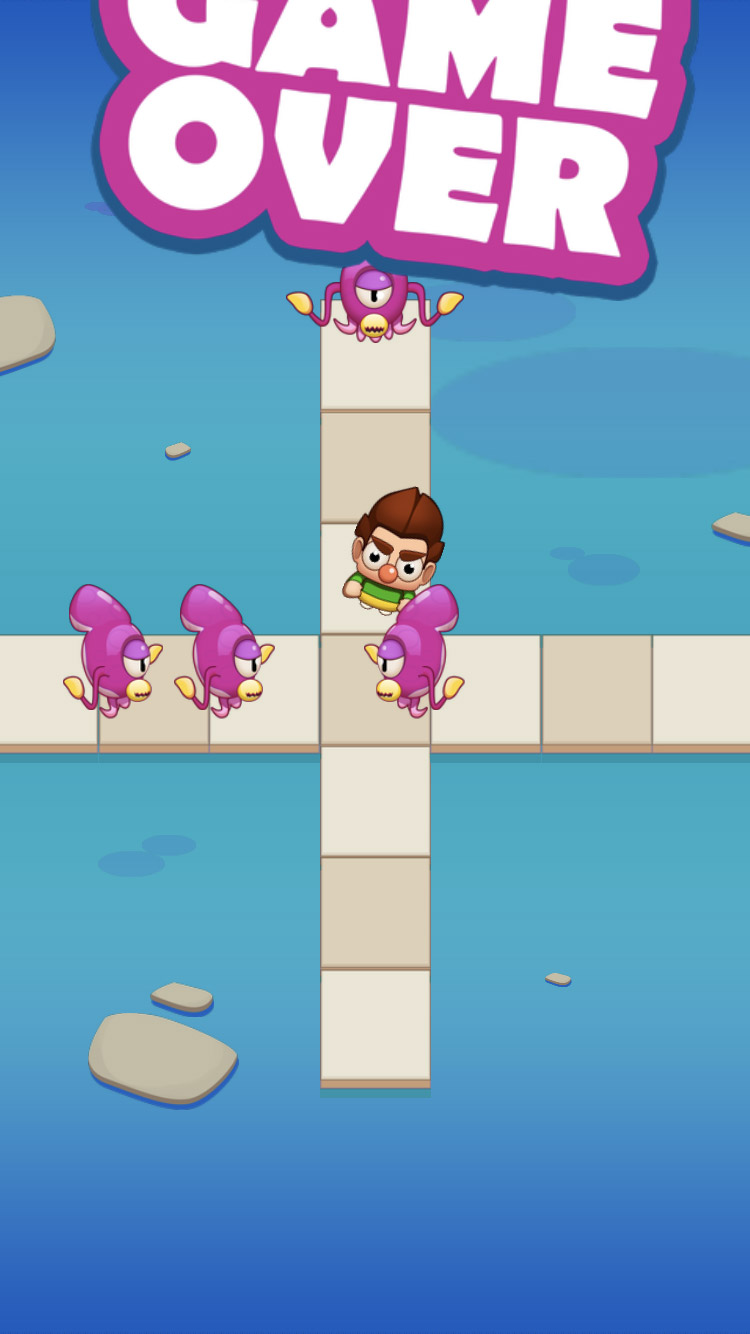
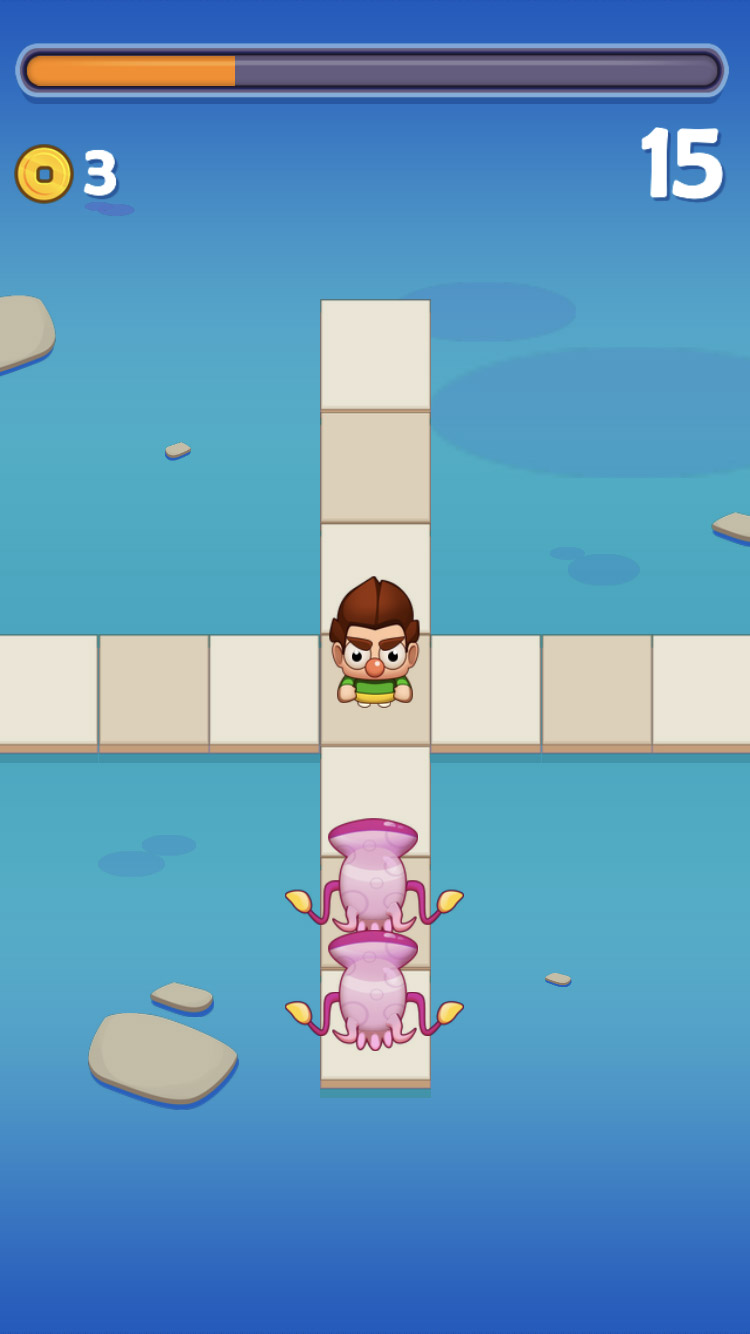
Simply another clone of Fist of Fury. I really liked the game’s dynamics, style, and animations. Development went smoothly and quickly, and I can’t recall any major issues during the process.

Like most of my other games, this one was created by a small team at Synesis. In-game purchases were not implemented, but the game did include ads – judging by their appearance, they were provided by Chartboost. Coins needed to unlock characters dropped randomly from defeated enemies.

Death Hop

Death Hop

or maybe Death Jump… who remembers these names anymore?

We definitely overcomplicated things – it says Hop on the icon, but Jump in the menu.

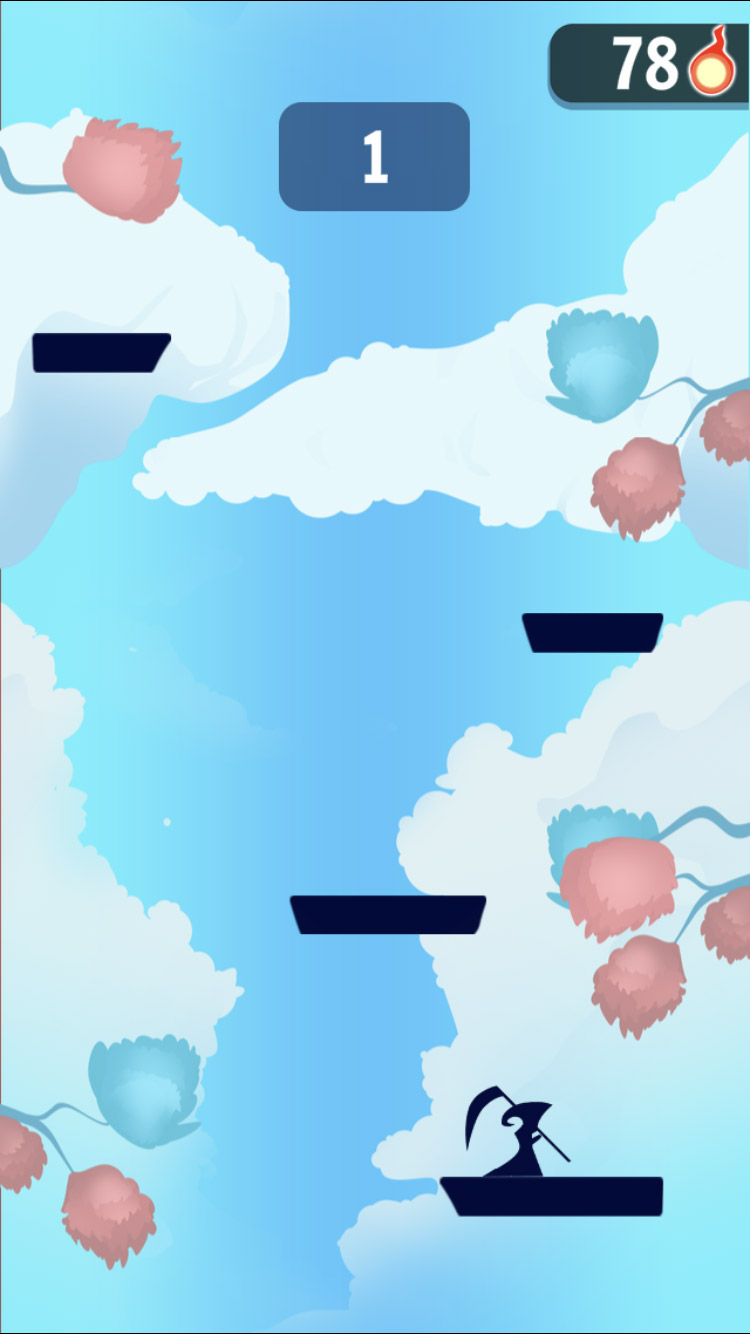
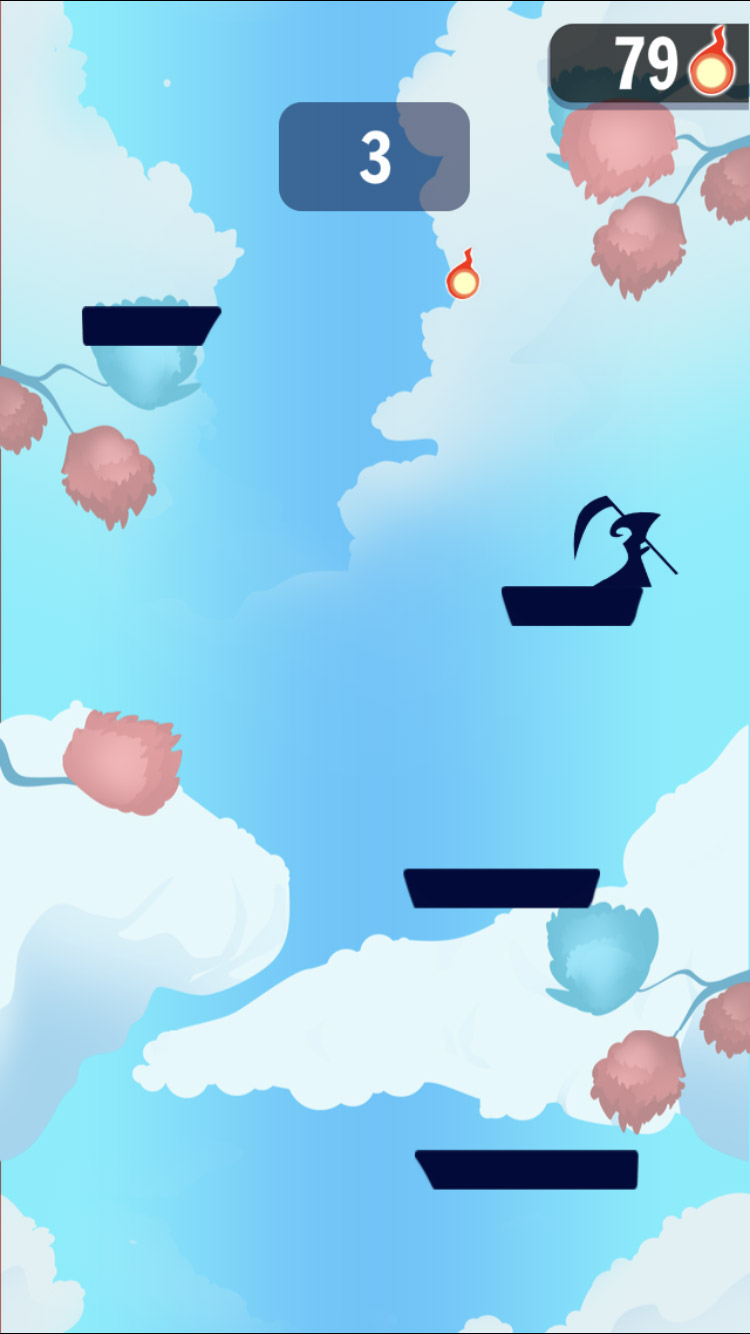
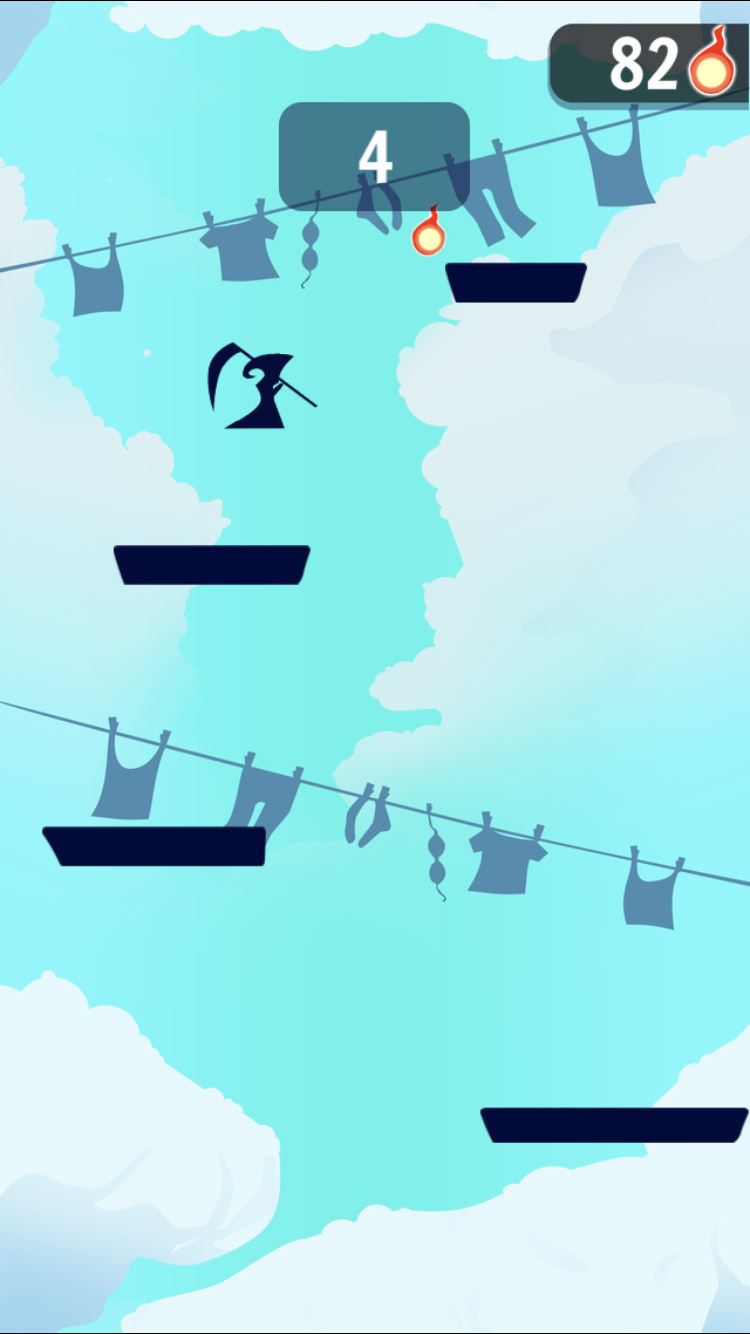
A rather interesting hyper-casual game with endless gameplay. I really liked this one – fun mechanics, a nice setting, and good animations for both the character and the platforms he hops on.

The rules are simple – you know the drill: tap the screen at the right time, collect the red-and-yellow soul orbs – they’re needed to respawn.

Both the engine and the game were written in C++. It was made by a small team at Synesis. If I remember correctly, there were no real difficulties during development – everything went smoothly and quickly. That’s how it usually goes when you actually like the game you’re making.

By the way, this game would have worked perfectly on Android TV and Apple TV in landscape orientation. I’m pretty sure I even created builds for tvOS and Android TV at some point.

It seems the game now only survives on my iPhone and Android devices.

Easy Solitaire

Solitaire

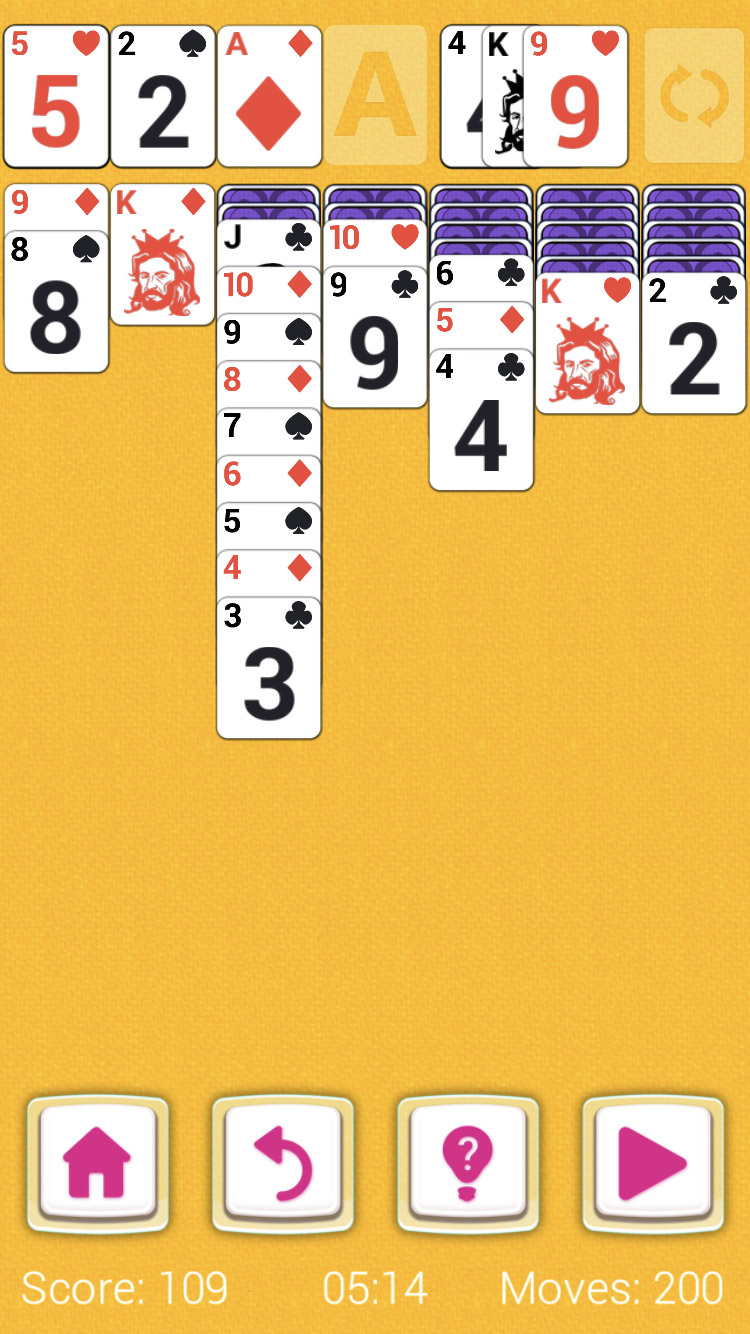
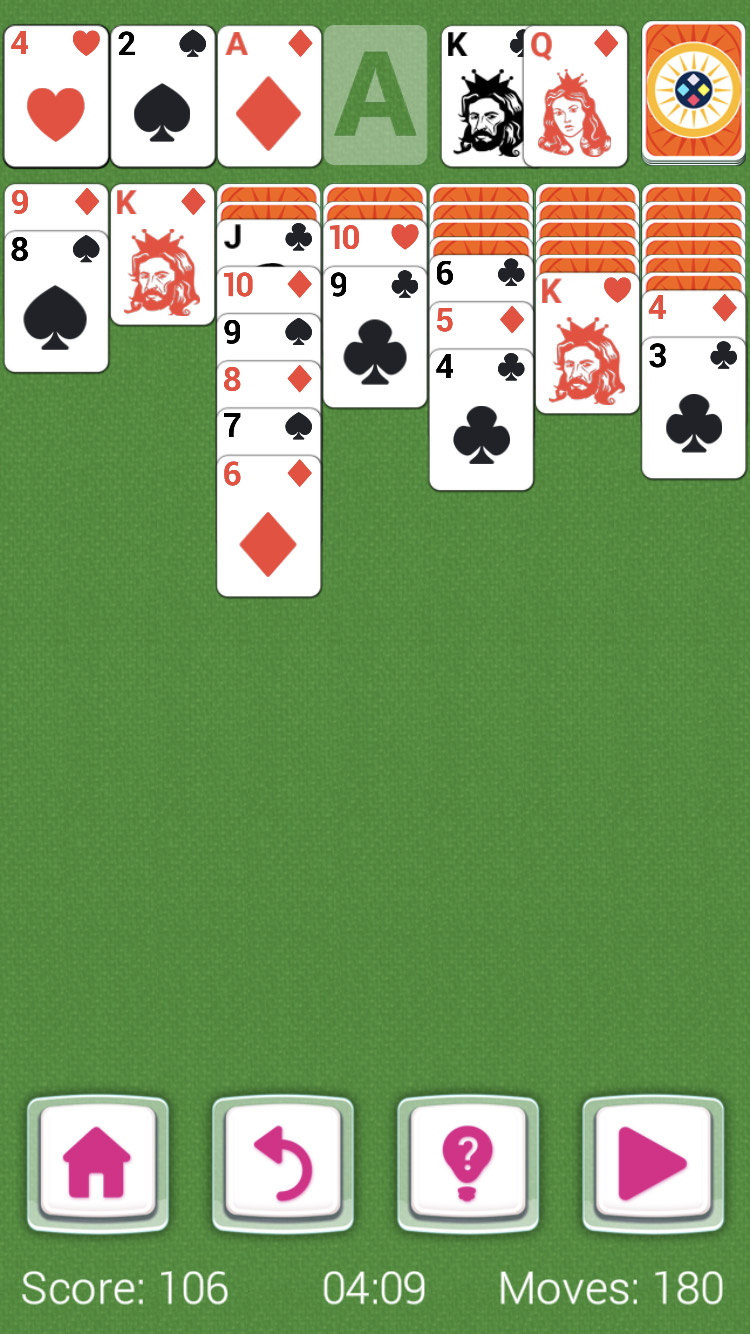
A classic solitaire game. At the moment, only the latest version is available – it features improved graphics, animations, and two dealing modes: draw one or draw three cards.

This solitaire was the first game I created at Synesis, using the very first version of our engine. You could say it was a real-world test of the engine’s capabilities.

The graphics, animations, and sound effects were handled by the rest of the development team.
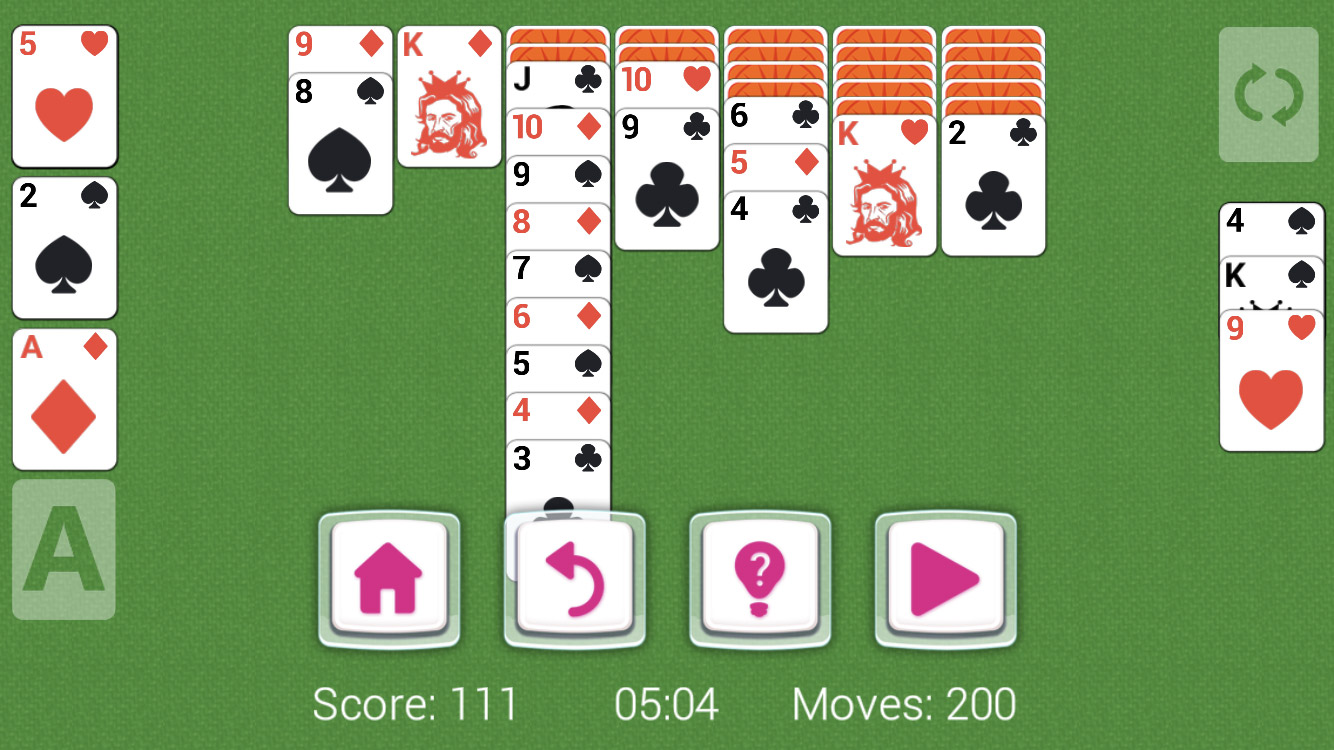
The game supports both landscape and portrait orientations, and the layout switches automatically when the device is rotated, regardless of the current game mode.

Solitaire saves the player’s current progress, so you can pause the game and continue at any time.

The game also allows you to customize the appearance of the cards and the table. It keeps a full history of moves that can be undone at any point. Naturally, double-tapping cards works as expected. And if a player gets stuck, there are hints available to help them out.

Flawless Hit - stacker casual game

Flawless Hit

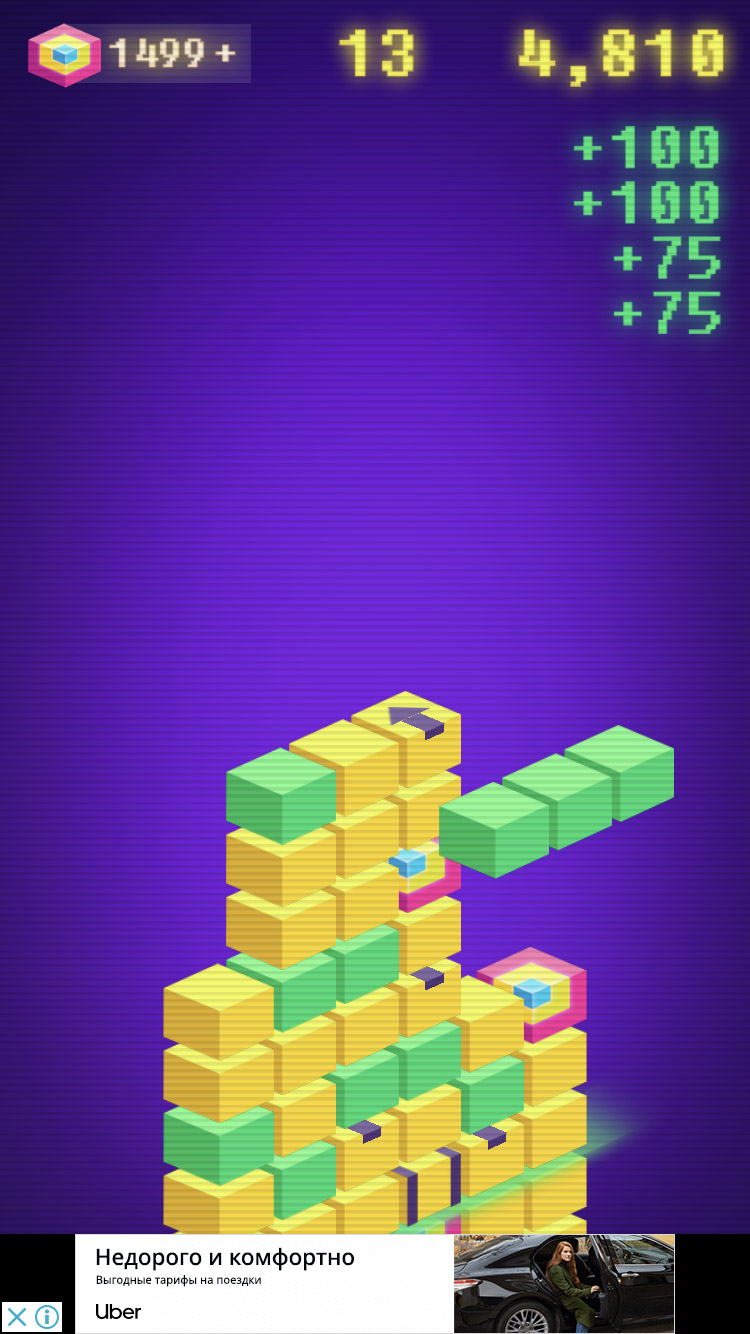
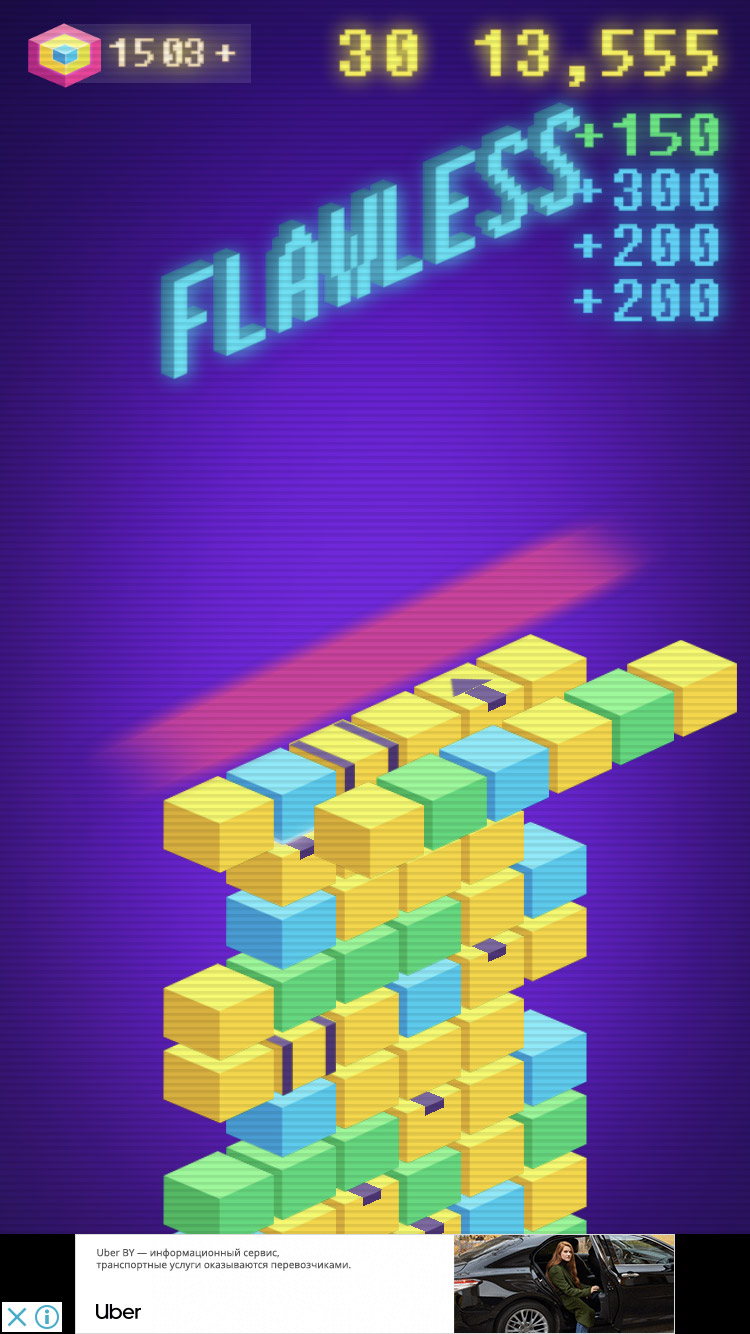
The first attempt to create a classic stacker game in an isometric projection was made at Synesis. The custom engine and game code, written in C++, allowed the game to run on multiple platforms simultaneously – Android, Android TV, iOS, and Apple TV. Development was done on macOS, so the game also ran perfectly on macOS. The engine even allowed the game to run on Windows.

This game belongs to the category of my creations that I’ve enjoyed playing for many years.

Snow Swords

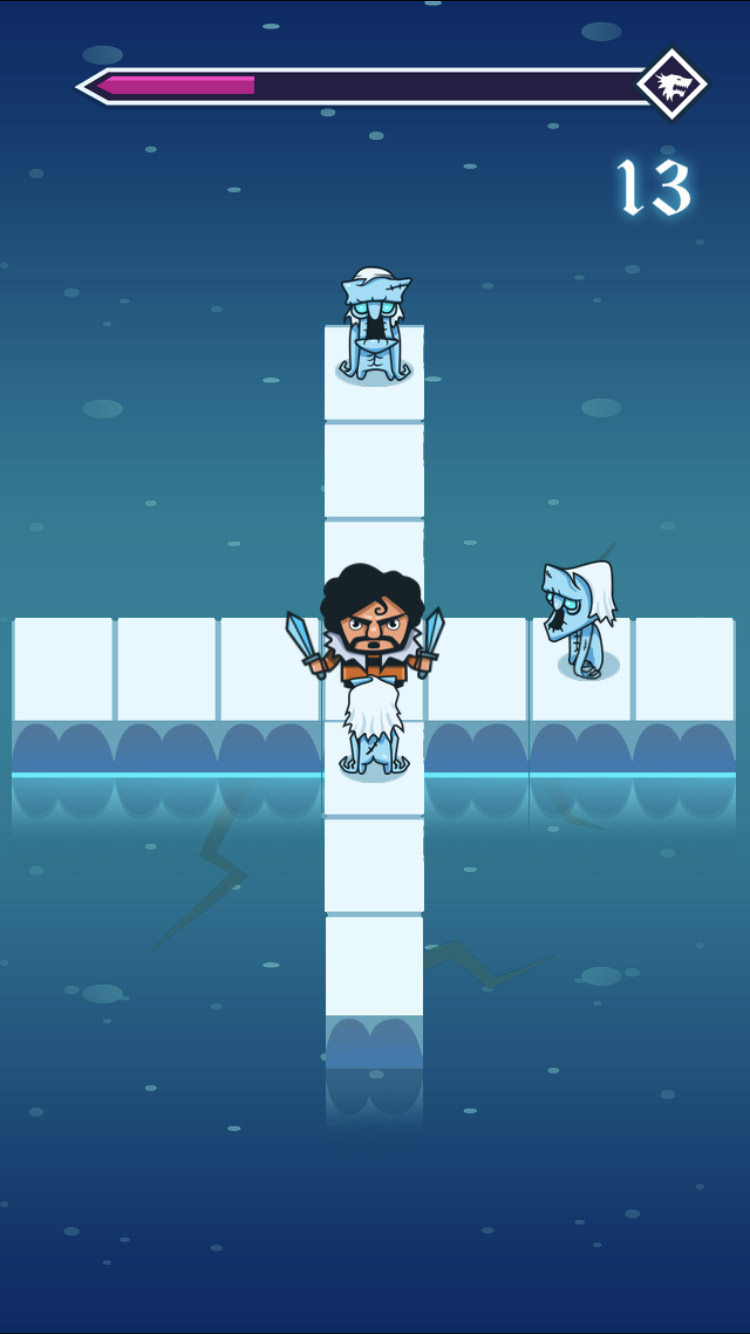
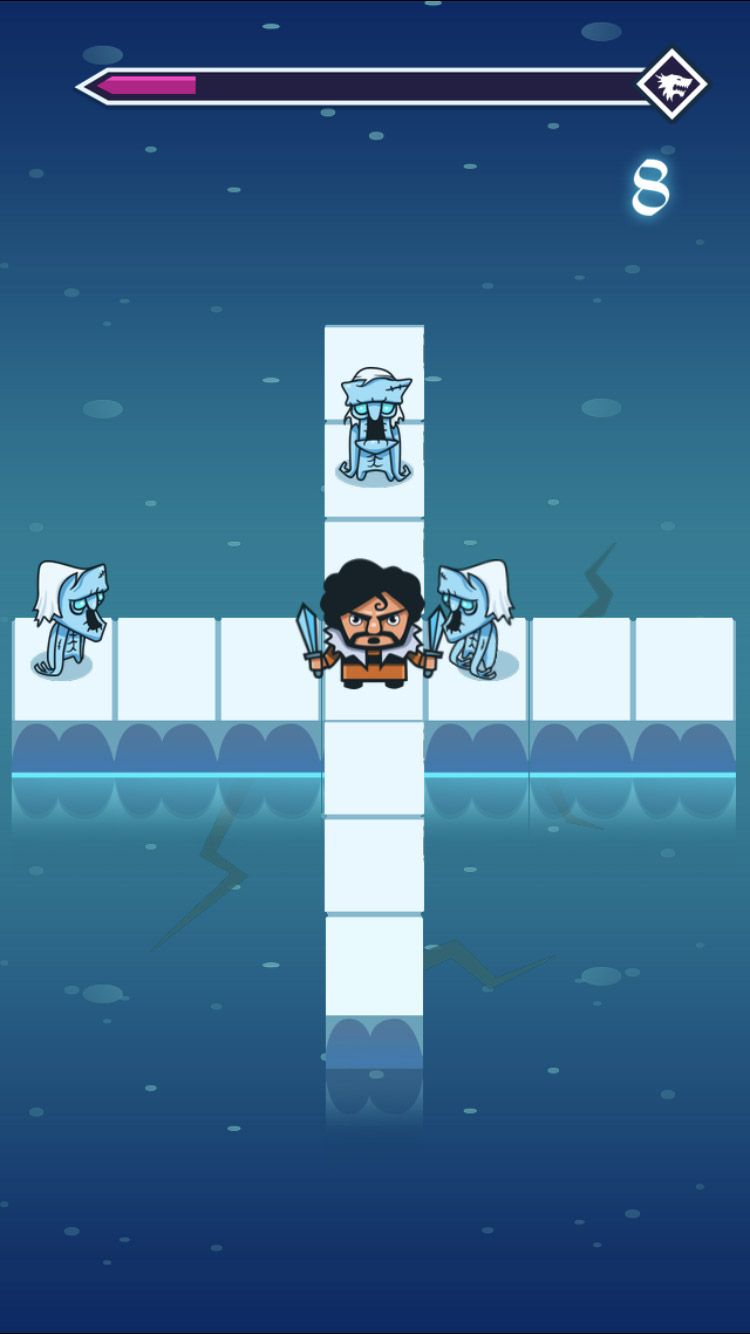
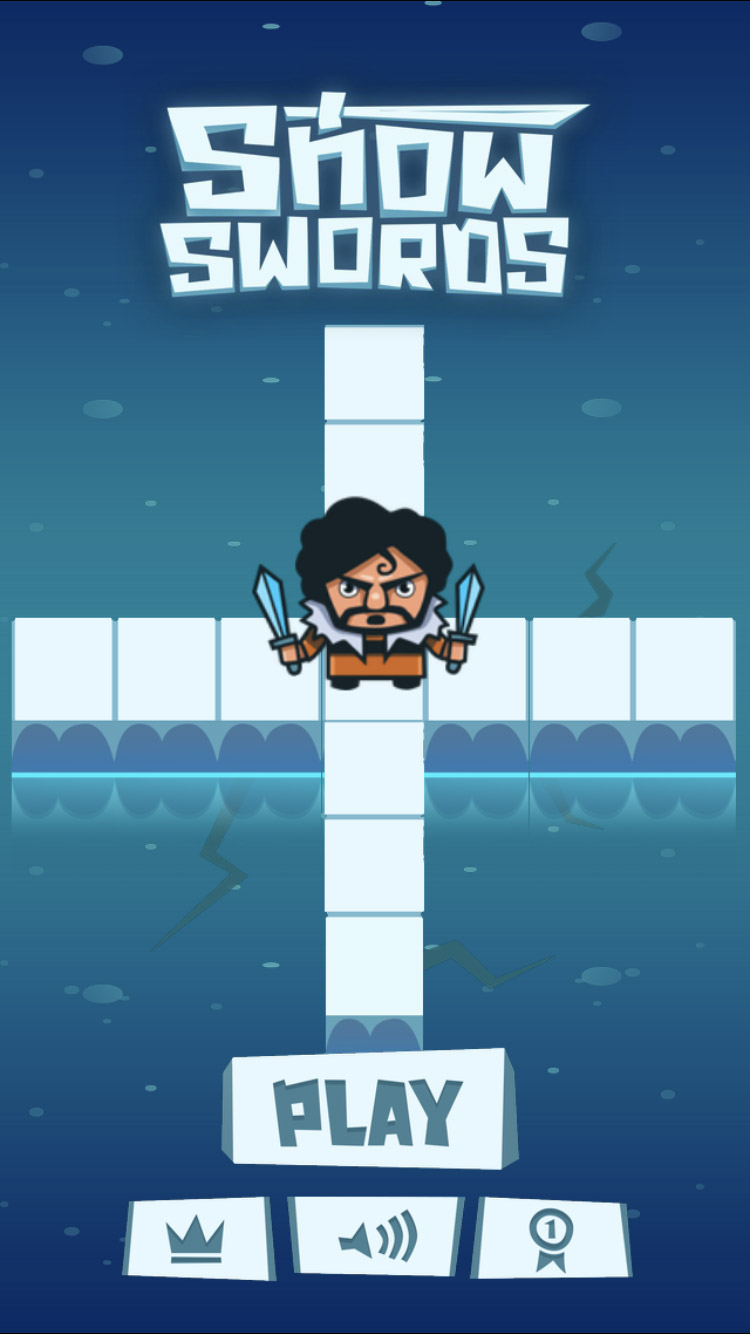
I worked on the engine and game code while at Synesis. Graphics, music, animations, and all other non-programming aspects were handled by other talented specialists.

I can’t go into full detail about the development process or the internal structure of the engine and game. Both the game and the engine – as well as the toolchain needed to build the game – were written in C++.

The development process itself was similar to most casual games: we chose the game concept, the artist/designer created sketches, and we approved them together. Animators and integrators then got involved, while I focused on writing the game code and, when necessary, refining the engine.
Everything was then combined into a single project, resulting in a game for iOS and Android.