lazy game developer

Showing: 1 - 9 of 17 RESULTS
Bugzz Smasher

Bugzz Smaher

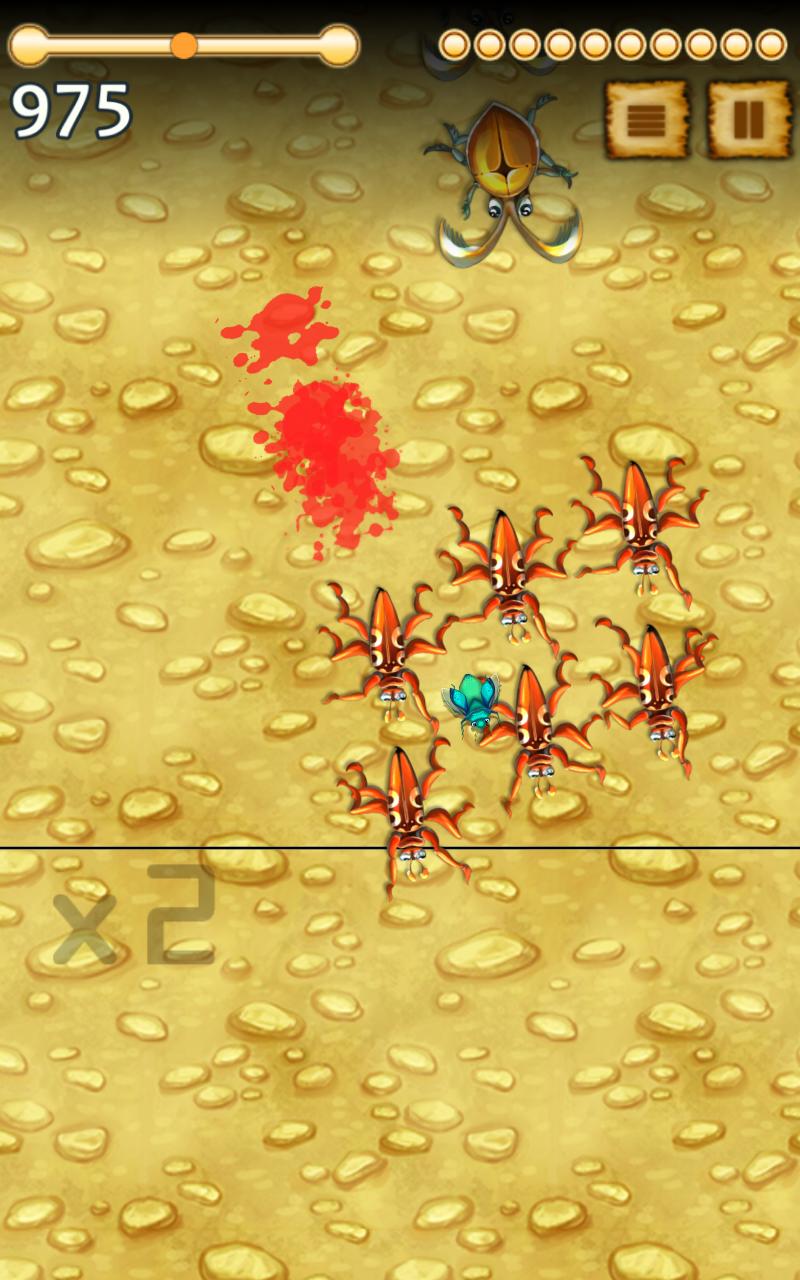
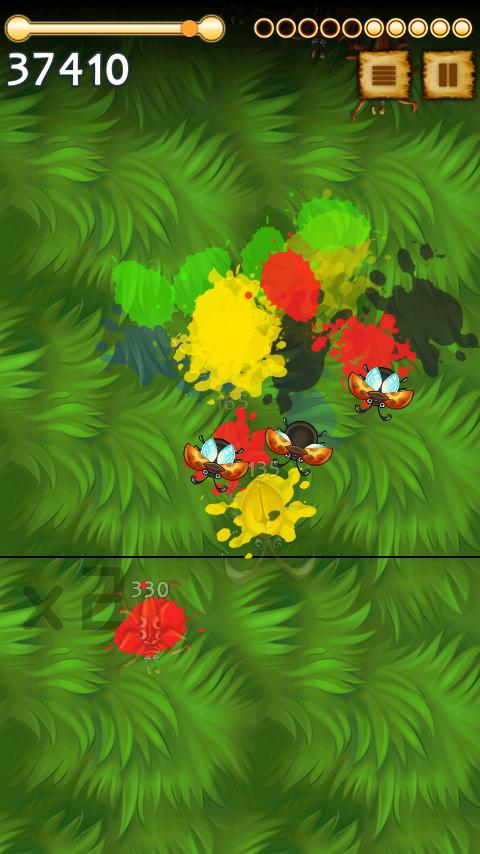
I created the first version of this game at my summer house over just two weekends in 2015. The full version differed only by minor interface tweaks, improvements to the wave generator, and Facebook integration.

The game featured saving and progress synchronization across devices, allowing players to exit on one device and continue on another. At the time, I thought this was a useful feature, but now I see it as an unnecessary use of time.
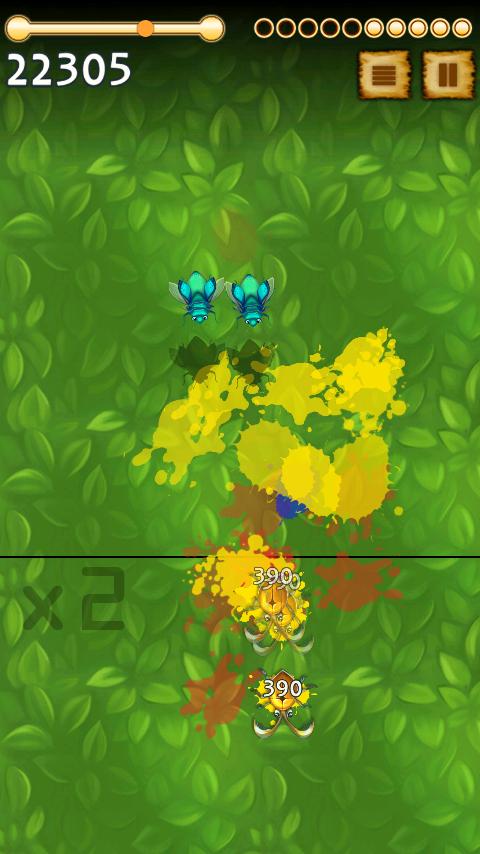
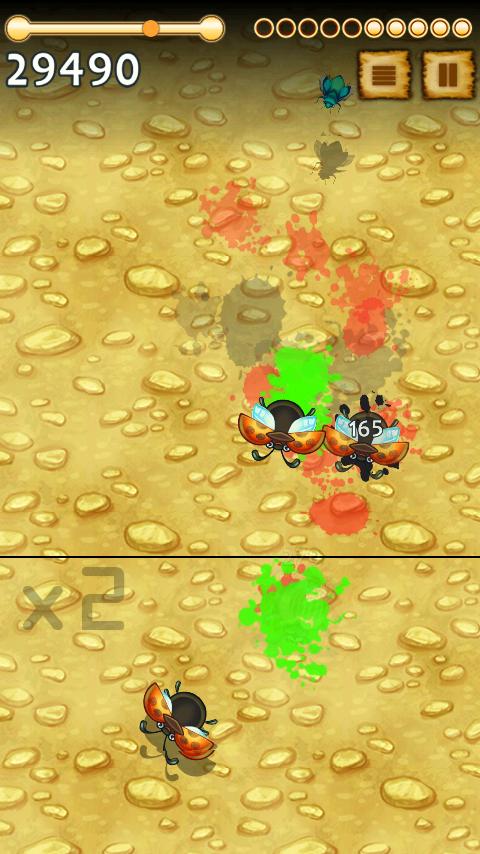
Most of the bugs in the game were originally made for another game that never saw the light of day. Yet in this game, they fit perfectly and added a unique charm. I designed the game interface myself using GIMP.

Dice or Die

Dice or Die

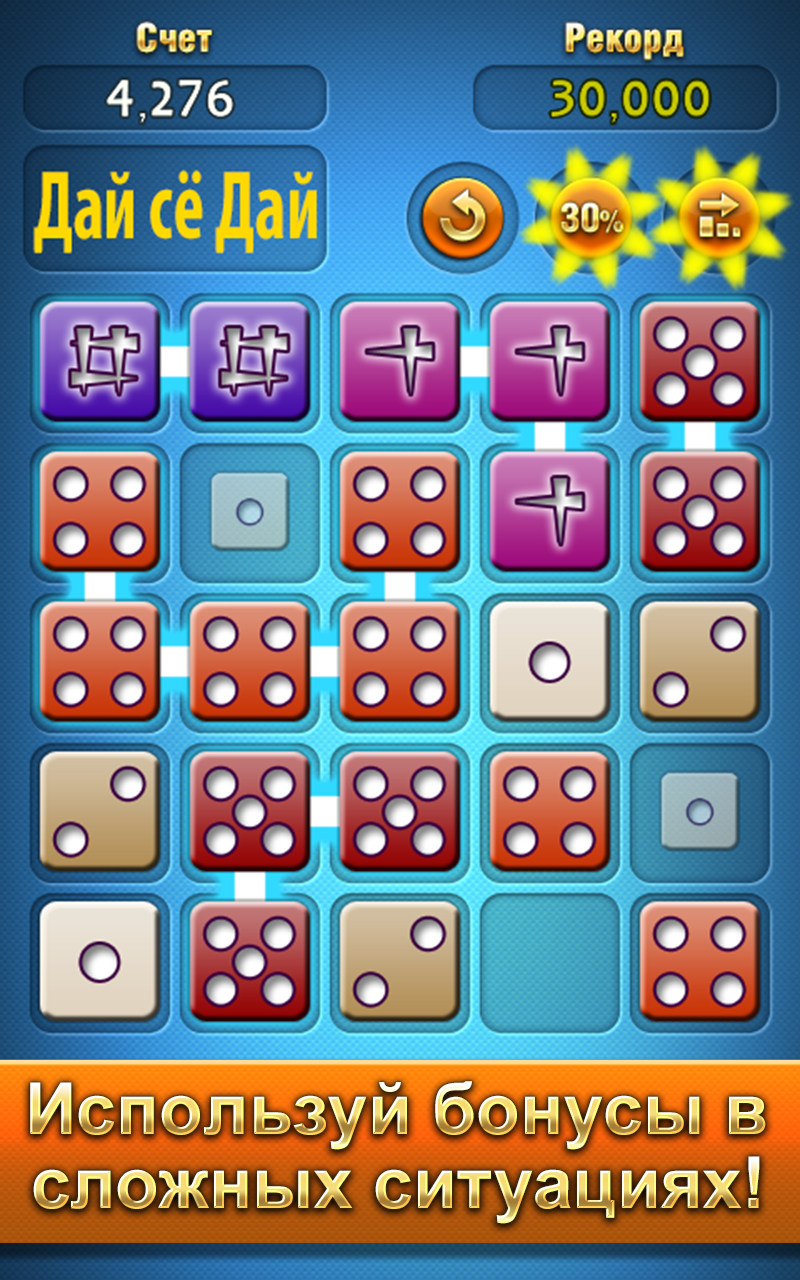
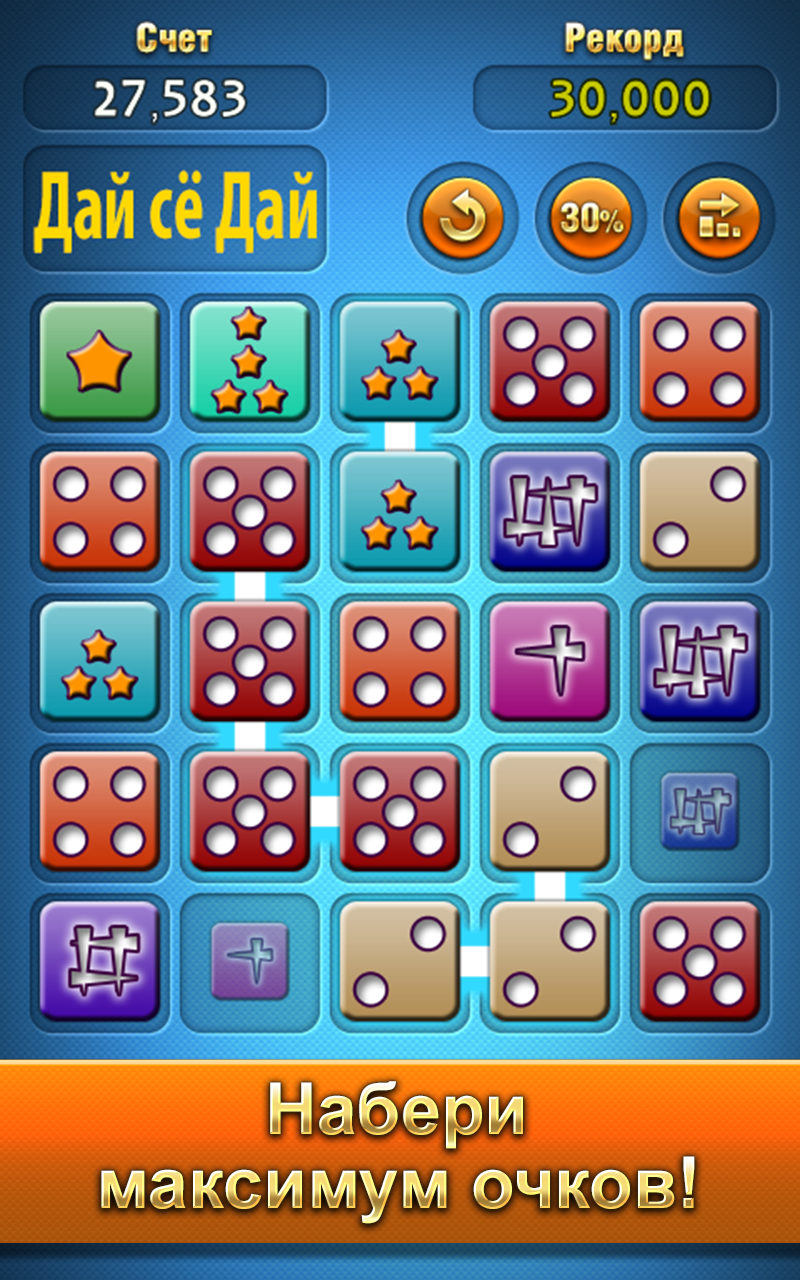
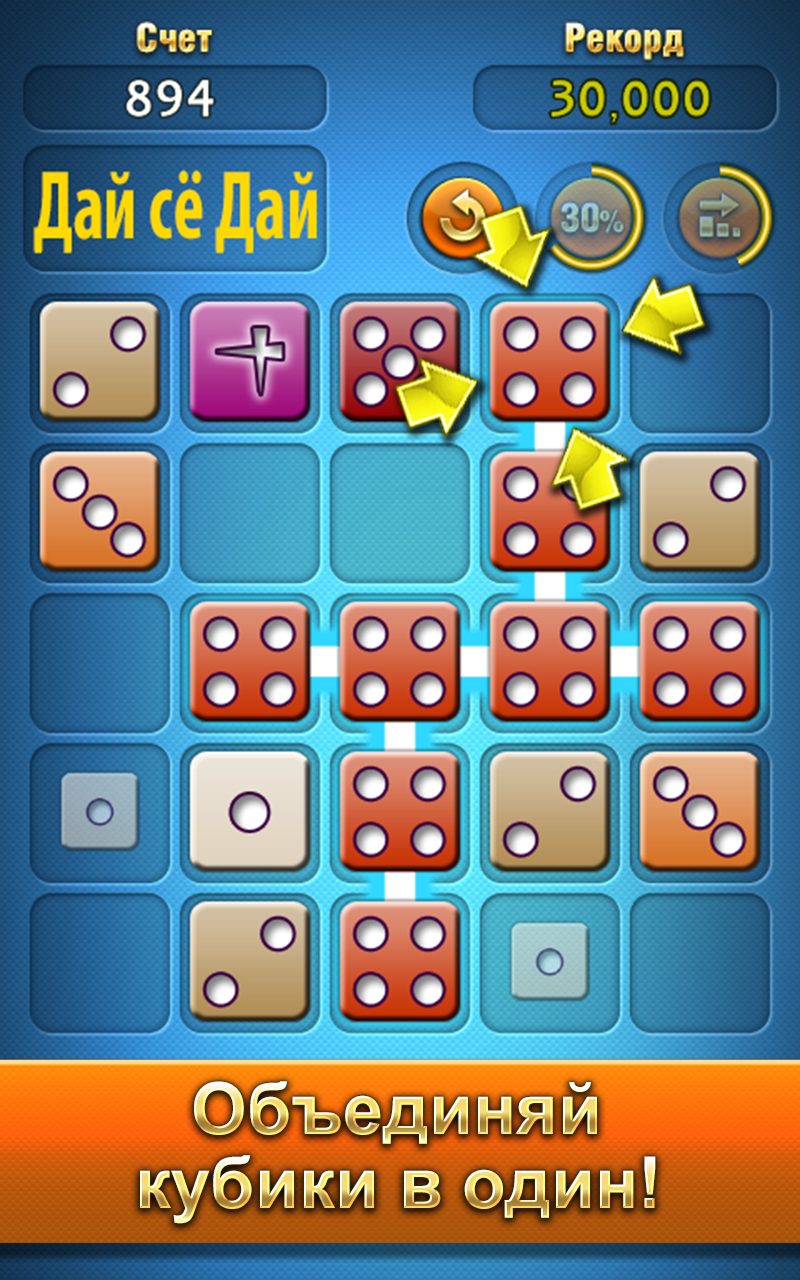
A logic game for mobile devices, blending elements of 2048, Color Lines, and Match-3.

This game, like Krakoid and Bugzz Smasher, was built on my own engine. The engine supported only a few platforms — Linux, macOS, Windows, iOS, and Android. Development was mainly done on Linux.

The screenshots show a later version of the game, where the graphics were polished to the level of “finally not hurting your eyes” at Melesta. The game was also published by Melesta. Unfortunately, it was completely unsuccessful. This may have been due to extremely long sessions, which could last days or even weeks, and poorly designed monetization. There was not even a basic rewarded video feature — only interstitial ads at the end of a session. And, as you may remember, sessions lasted a very long time.

  • Dice or Die for Android
  • I could not find a link to the iOS version of Dice or Die
Cower Defense

Cower Defense

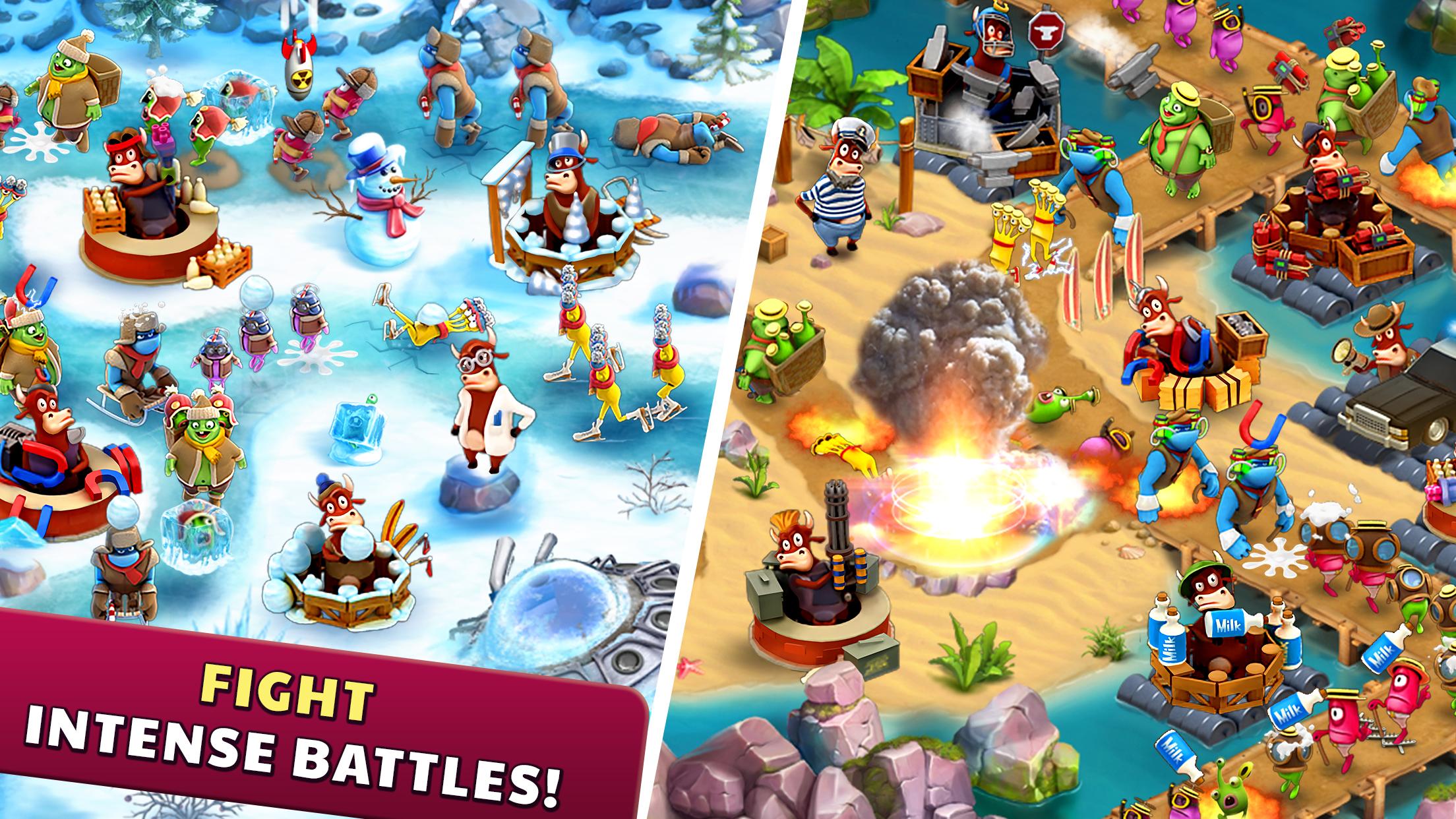
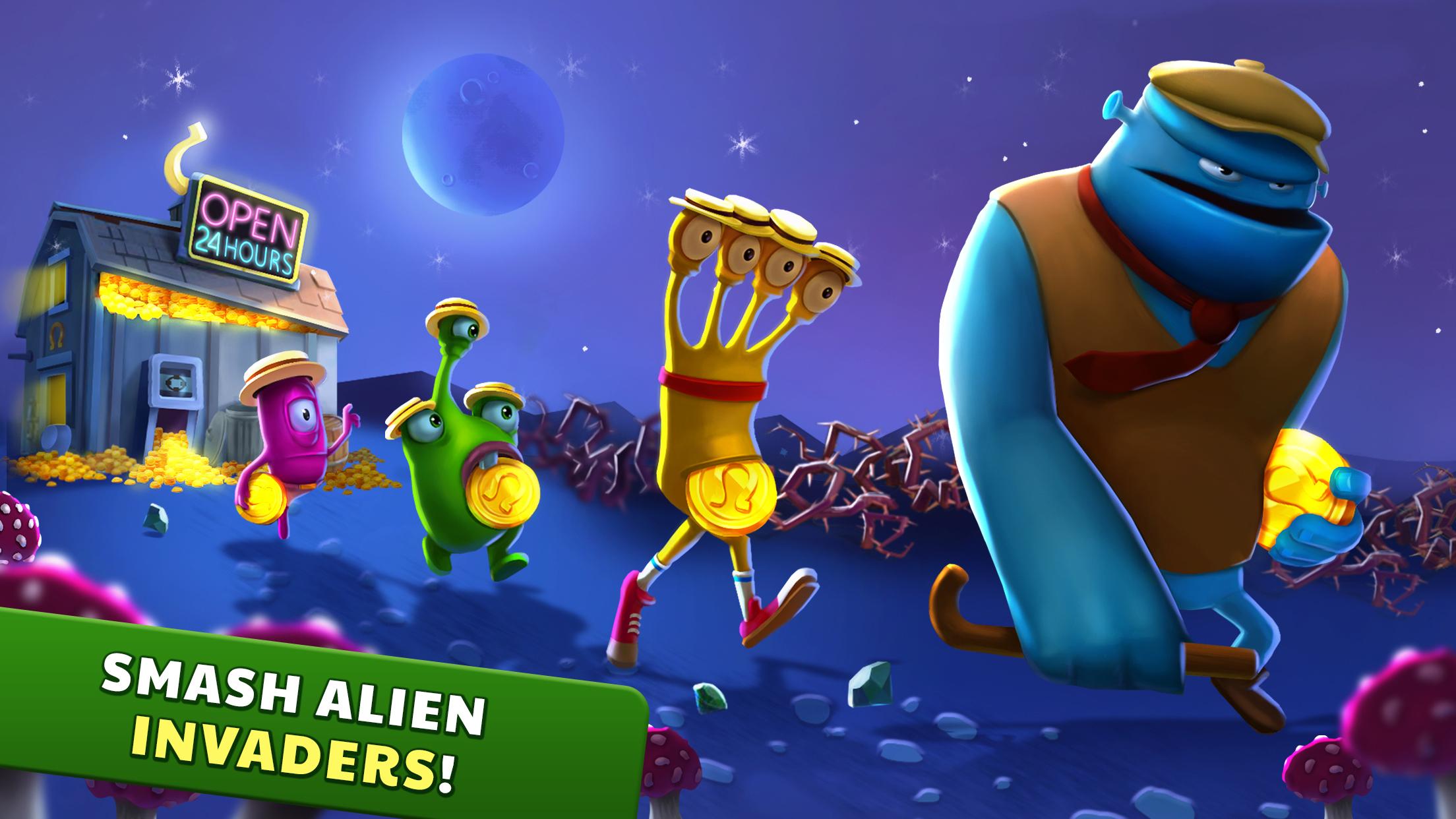
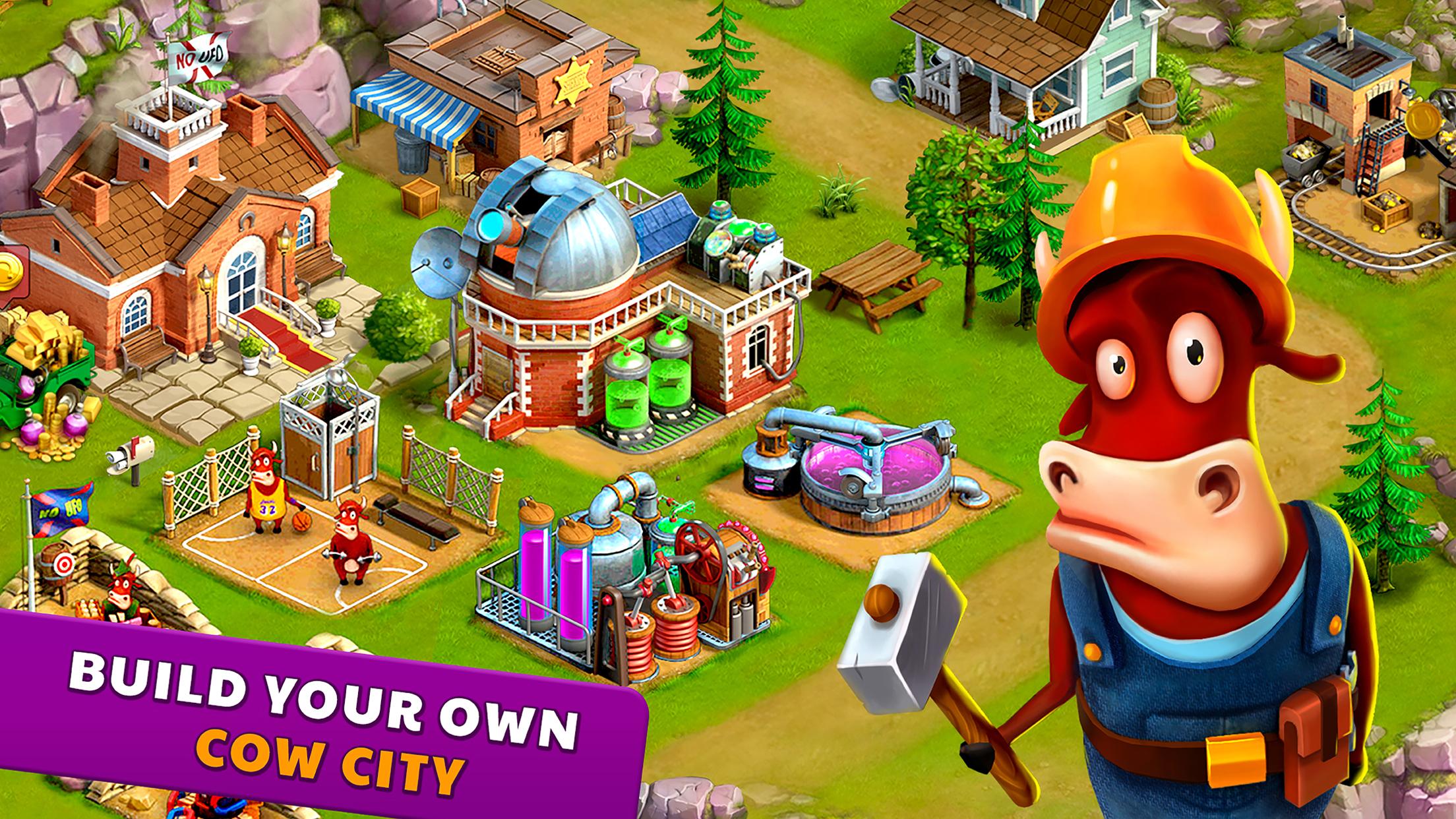
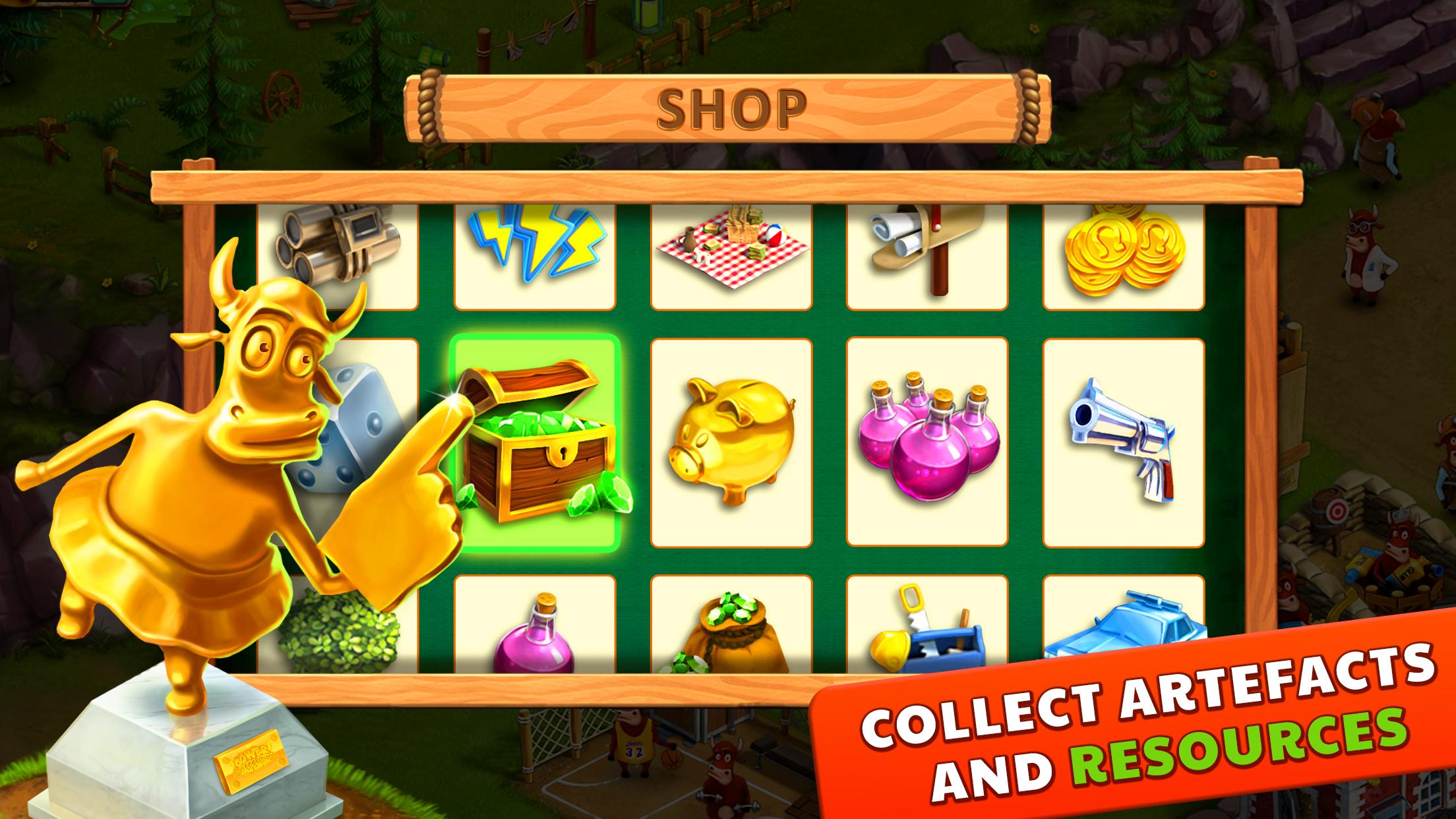
A tower defense game developed by Belka for social networks – a really cool game with a great story, artwork, and animations. The original game was built in Adobe Flash.

I was one of three programmers responsible for porting the game to iOS and Android, using C++ and a custom engine. I worked on the tower defense core of the game, the popup system, the tutorial system, a localization-merging utility, and various smaller features. Everything else – which was a huge amount of work – was done by other talented members of the team.

Some of the graphics and animations were taken from the original Flash version, while others were recreated from scratch. For example, most of the user interface was redrawn.

Cutscenes were implemented as video clips loaded from the server when needed, featuring animations of localized character dialogues. The old-film visual effect was implemented entirely in code.

Kingdom of Seven Seals

Kingdom of Seven Seals

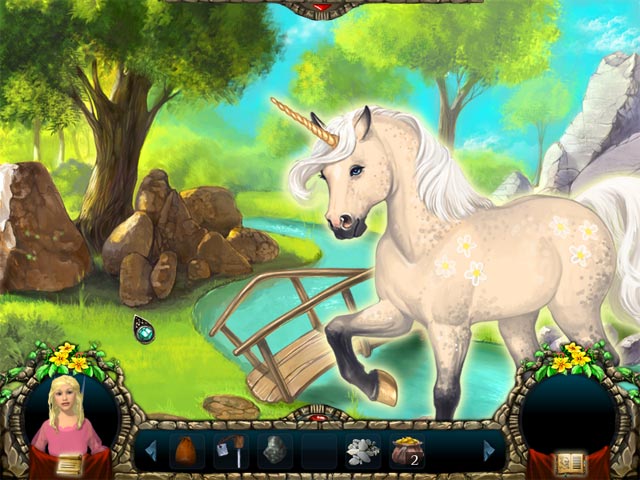
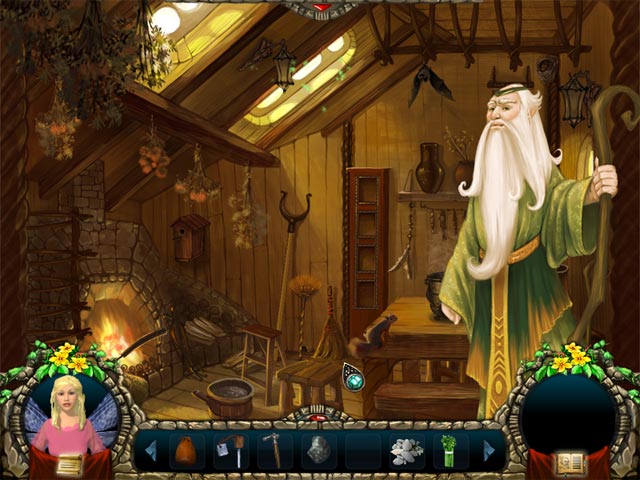
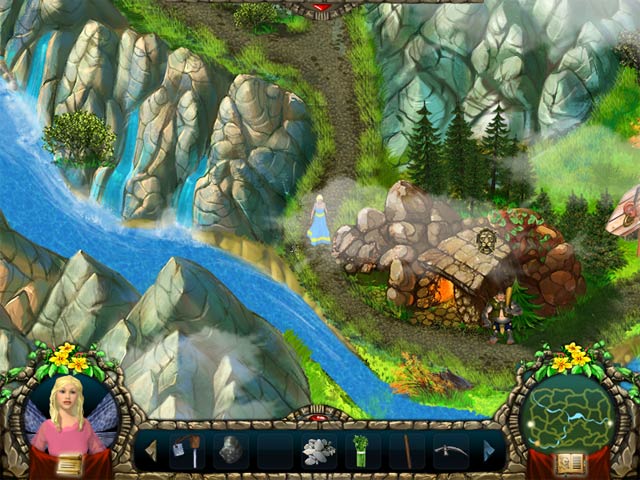
This is a highly engaging hidden-object game featuring numerous mini-games and tasks.

The game was developed by a team of three to four people, but the team composition changed several times, so the total number of developers was roughly twice as many. In addition, marketers, documentation creators, and a project manager also contributed… I can’t provide all the details, especially since I’ve forgotten much of it.

The game was developed under Linux using Code::Blocks. The target platforms were Windows and macOS. The engine was a heavily modified HGE, primarily to support Linux and macOS. Here, the SDL library and its companions — SDL_sound, SDL_image — proved very useful.

The game was released around 2010. As far as I know, it is still available on various publishers’ websites.

Zombies Among Us

Zombies Among Us

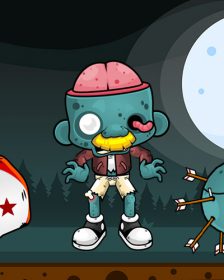
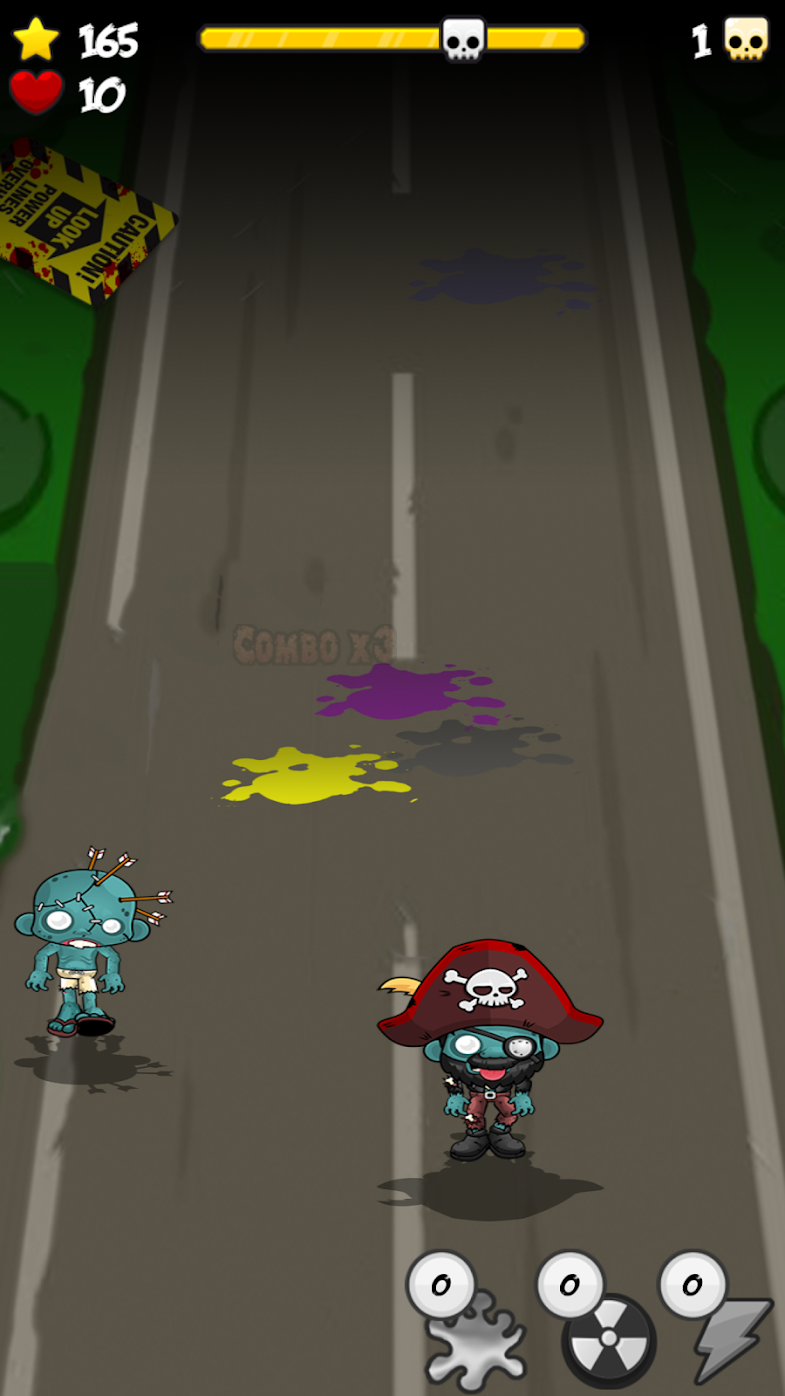
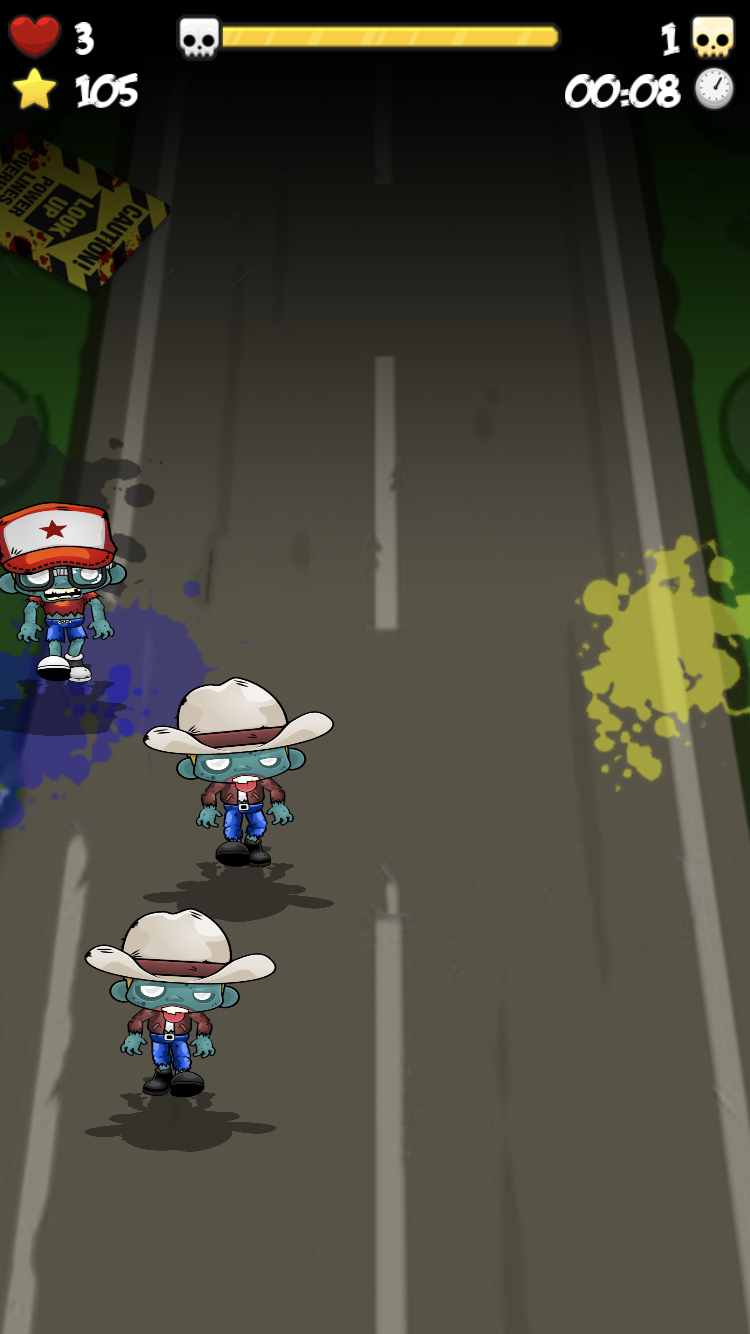
Not all zombies are equally useful. Crush them all, but be careful – some zombies aren’t quite ordinary.

The rules are simple: tap a zombie to kill it and use power-ups wisely.

All the artwork was purchased from specialized stock sources. There was nothing unusual during development – I was just making another game.

The only exception was the button. I had to make a change in the engine – adding a new event to the button widget, which was needed for the power-ups. I could have created a specialized widget instead, but I decided that extending the functionality of the standard button would be useful for future projects.

Omo Jump

Omo Jump

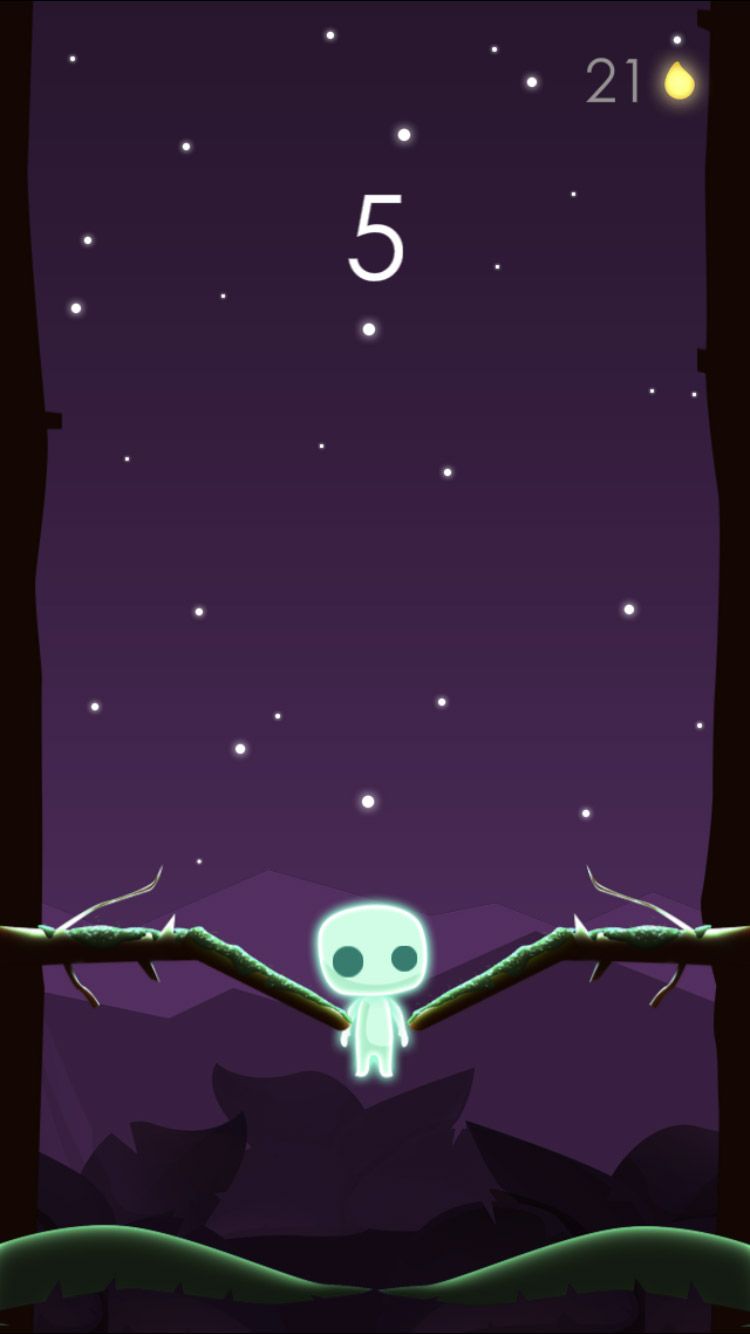
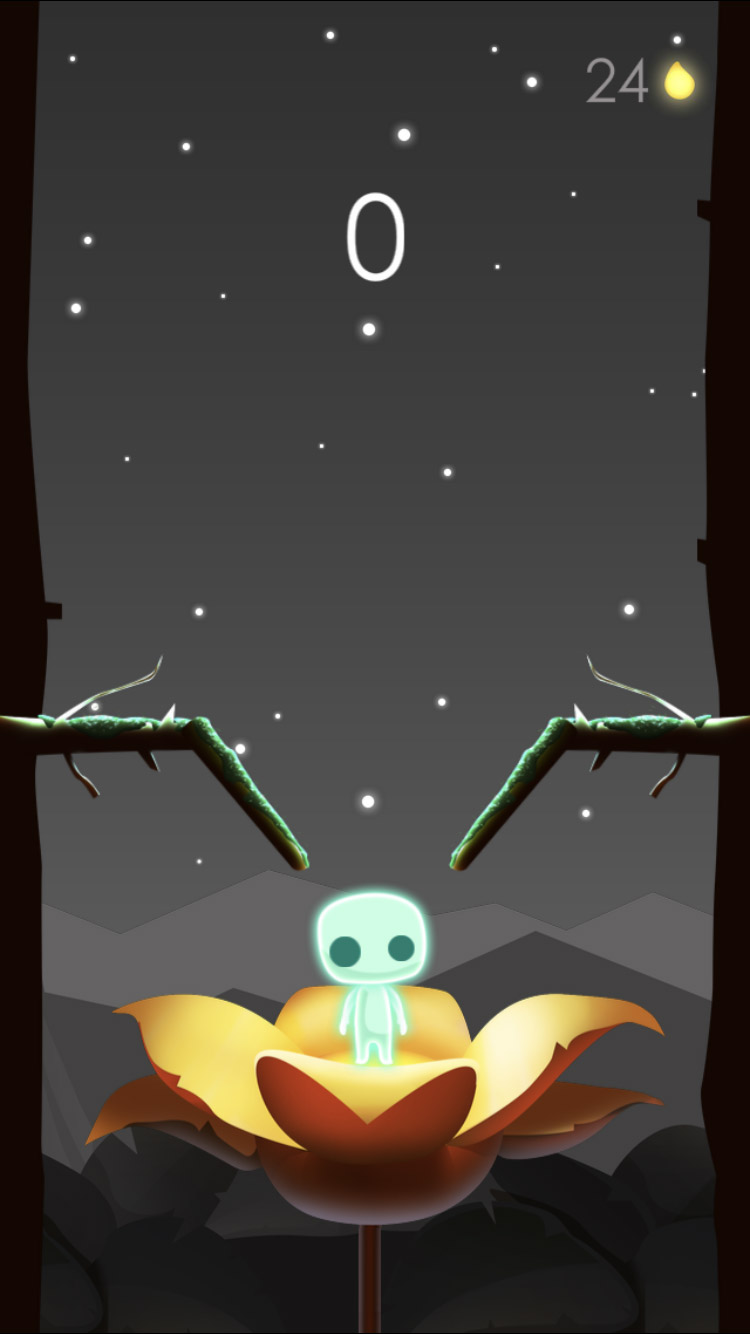
One of the early games developed in a small team at Synesis.
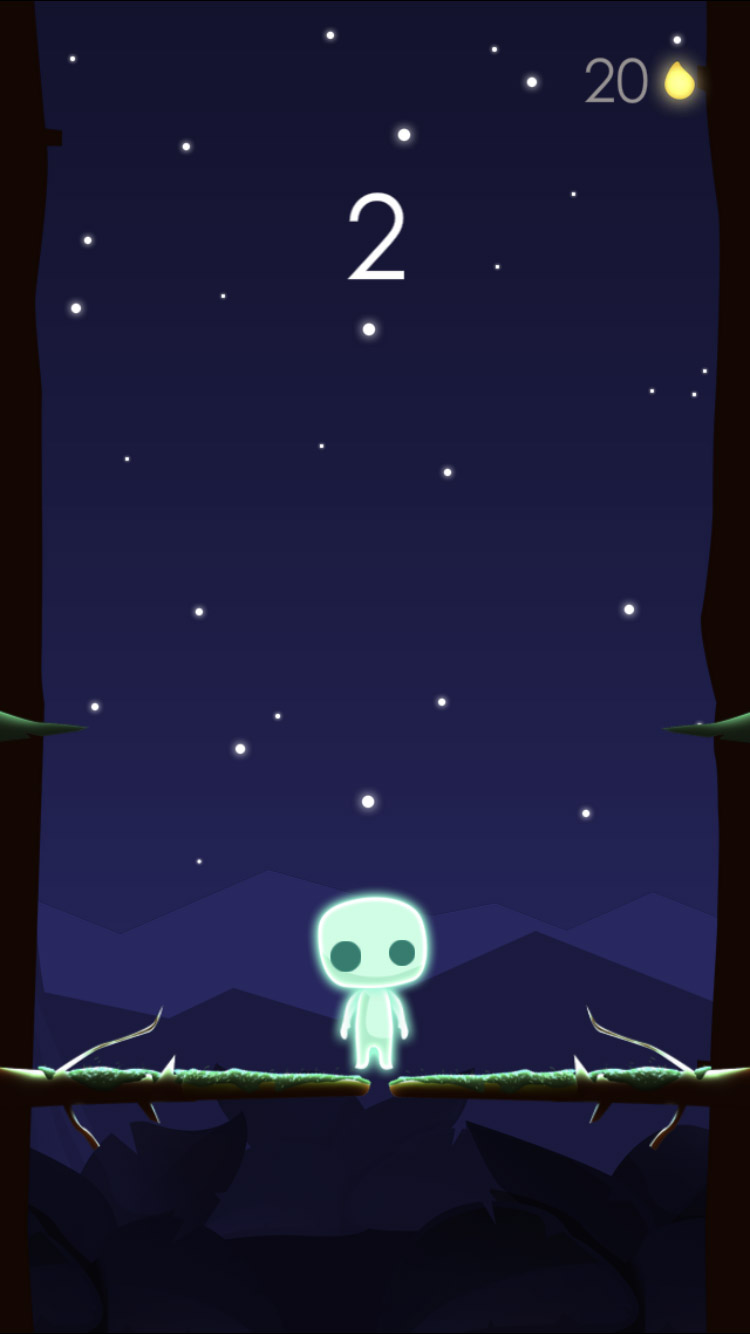
It’s a hyper-casual game where the character is controlled with just a single tap on the screen. The player’s task is to tap at the right moment – tap too early, and you lose; too late, and… yep, you lose again.

I can’t recall many details about the game – I’ve forgotten most of them. I do remember there were some issues with the game mechanics. It lacked clarity and transparency for the player, which left mixed impressions overall.

Both the game and the engine were written in C++. It was still the first version of the engine, though already significantly improved.

What I do remember well is that I really liked the character – both the design and the animations. In that regard, the team did an excellent job. The same can’t quite be said about the rest of the game.

Squid Rage

Squid Rage

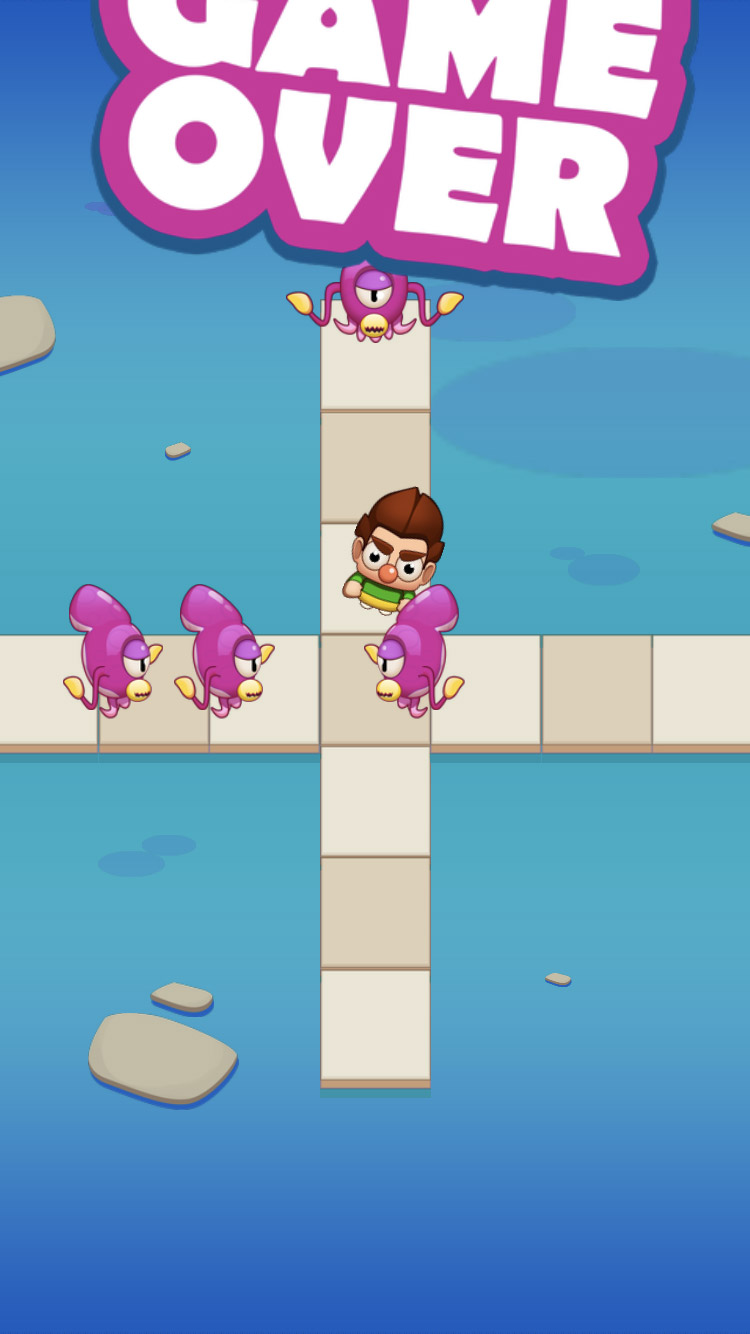
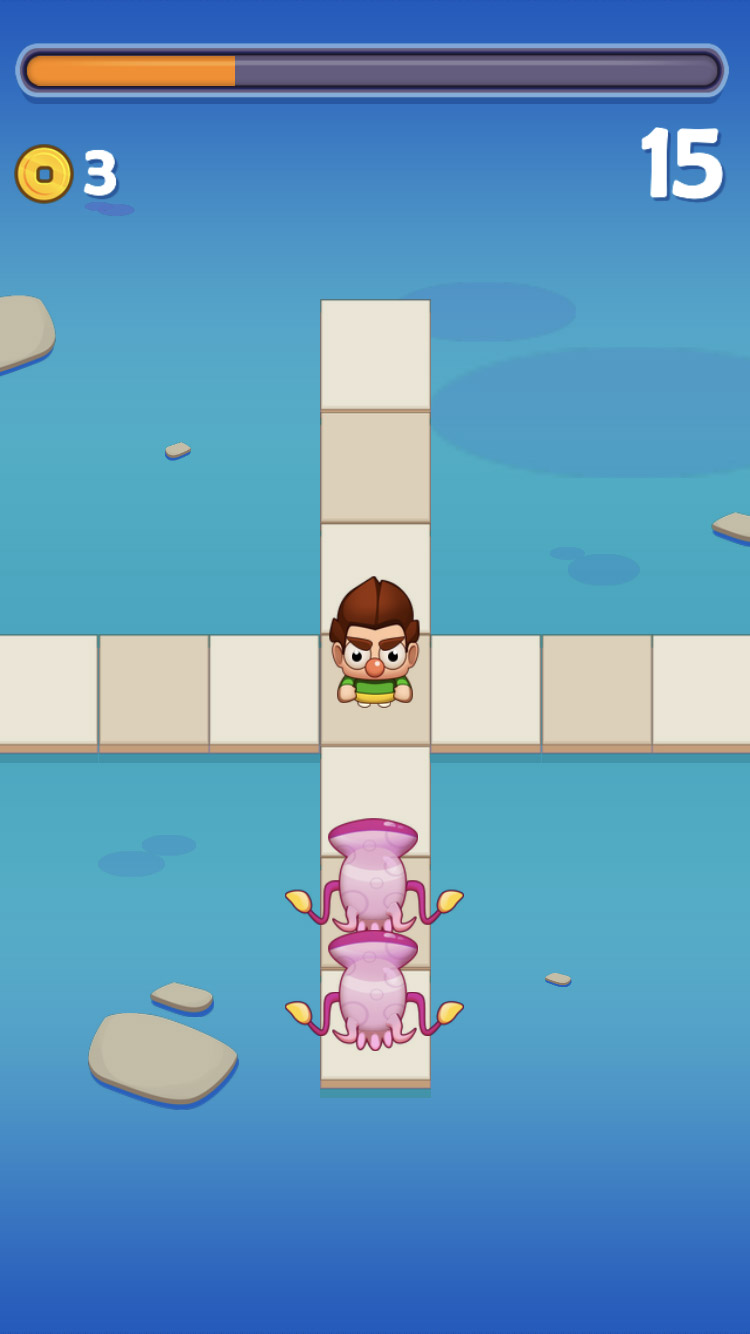
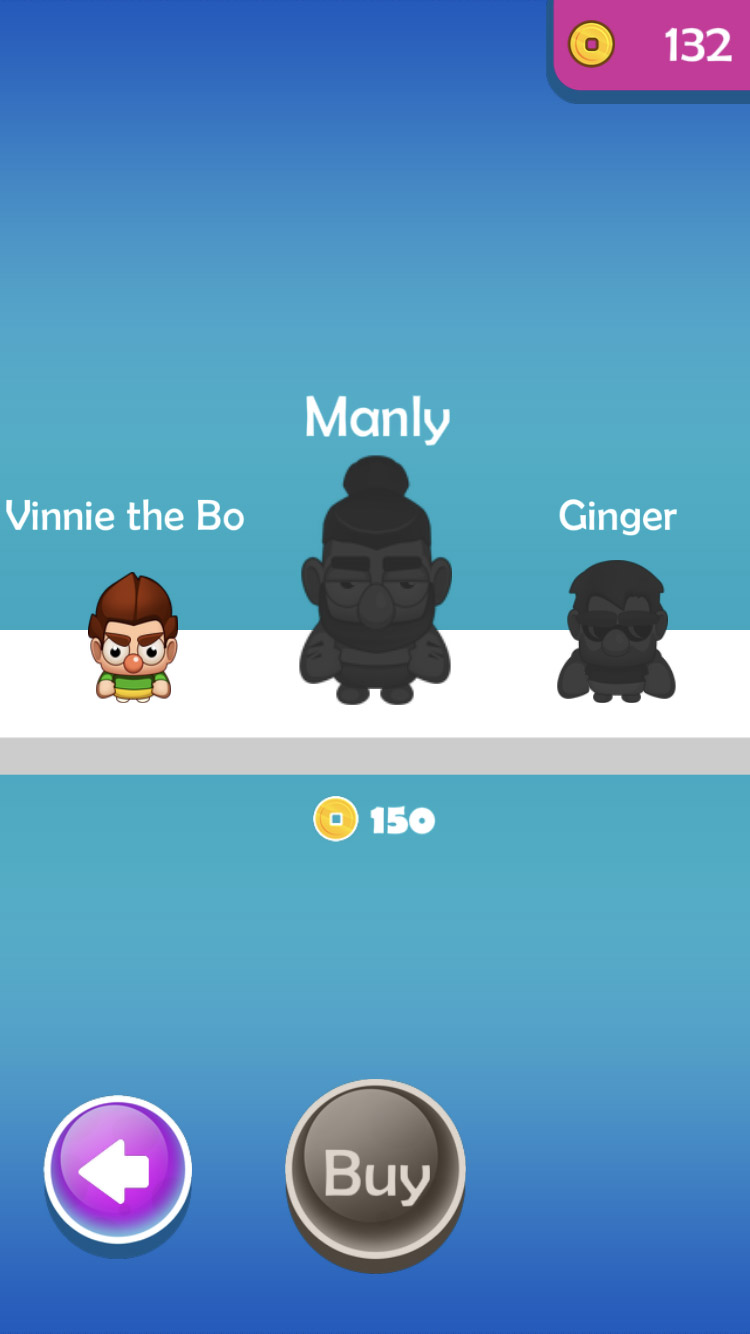
Simply another clone of Fist of Fury. I really liked the game’s dynamics, style, and animations. Development went smoothly and quickly, and I can’t recall any major issues during the process.

Like most of my other games, this one was created by a small team at Synesis. In-game purchases were not implemented, but the game did include ads – judging by their appearance, they were provided by Chartboost. Coins needed to unlock characters dropped randomly from defeated enemies.

Rolling Balz - Ice Cold Beer

Rolling Balz

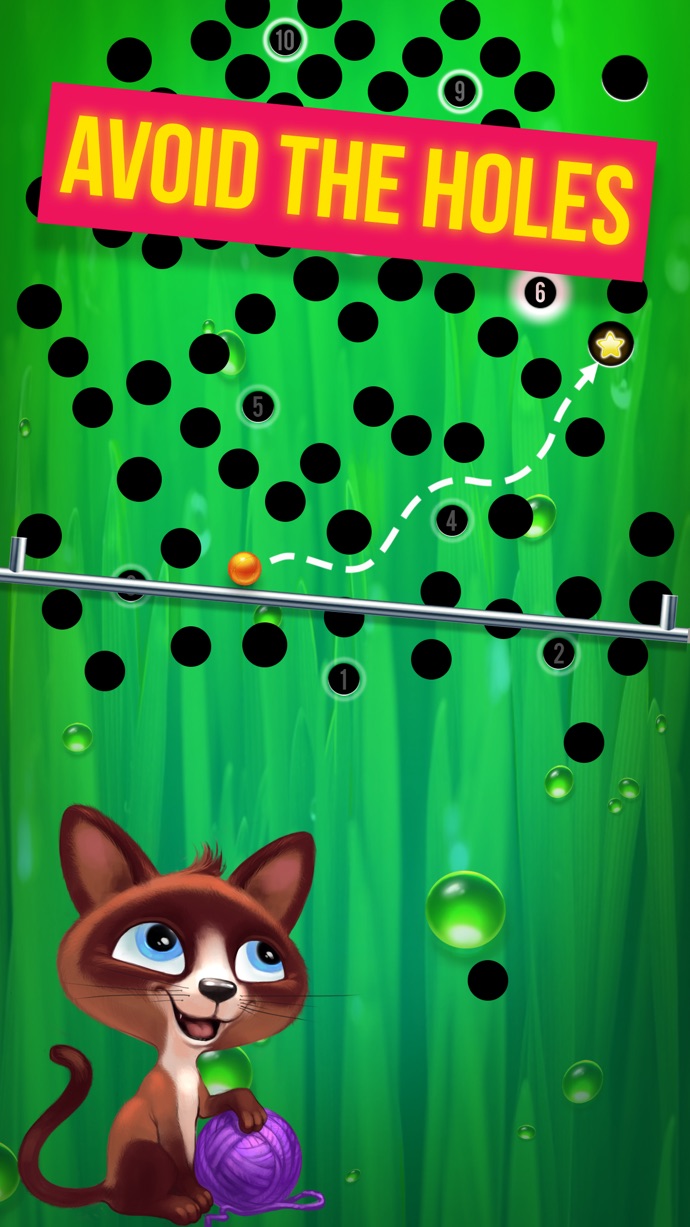
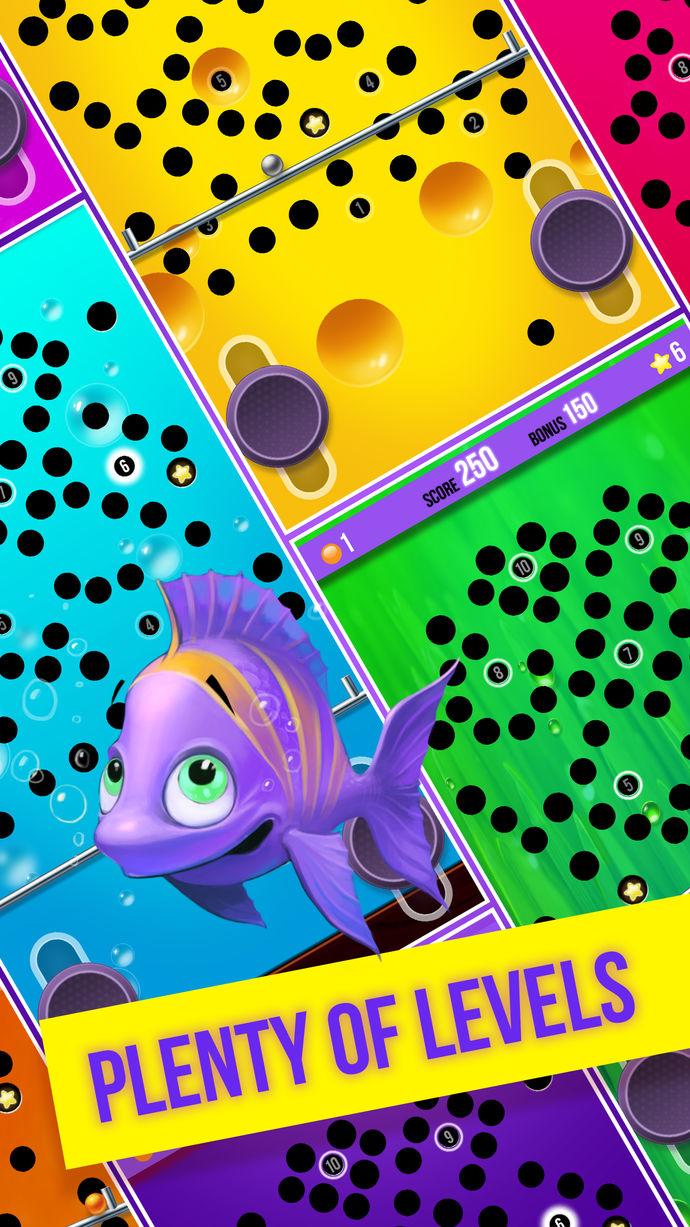
Another classic arcade-style game inspired by bar machines often found in pubs to entertain tipsy visitors.

The original arcade game – Ice Cold Beer, developed by the well-known Japanese company Taito in 1983, served as the main source of inspiration.

The player’s goal is to roll a ball into a specific hole on the playfield. To do this, the player controls a horizontal bar holding the ball using two levers connected to the edges of the bar. Tilting the bar left or right allows the player to guide the ball to the desired location.

This was one of the last games I developed together with a great team at Synesis.

The game was built on a new, reworked engine, which fixed issues from the previous version and introduced an updated API. Box2D was used for physics simulation, although it wasn’t strictly necessary given the simplicity of the gameplay.

I also created a test build for Android TV and Apple TV, designed for gamepads with dual analog sticks. Unfortunately, such controllers are quite rare on these platforms, so the TV versions were never released.

Easy Solitaire

Solitaire

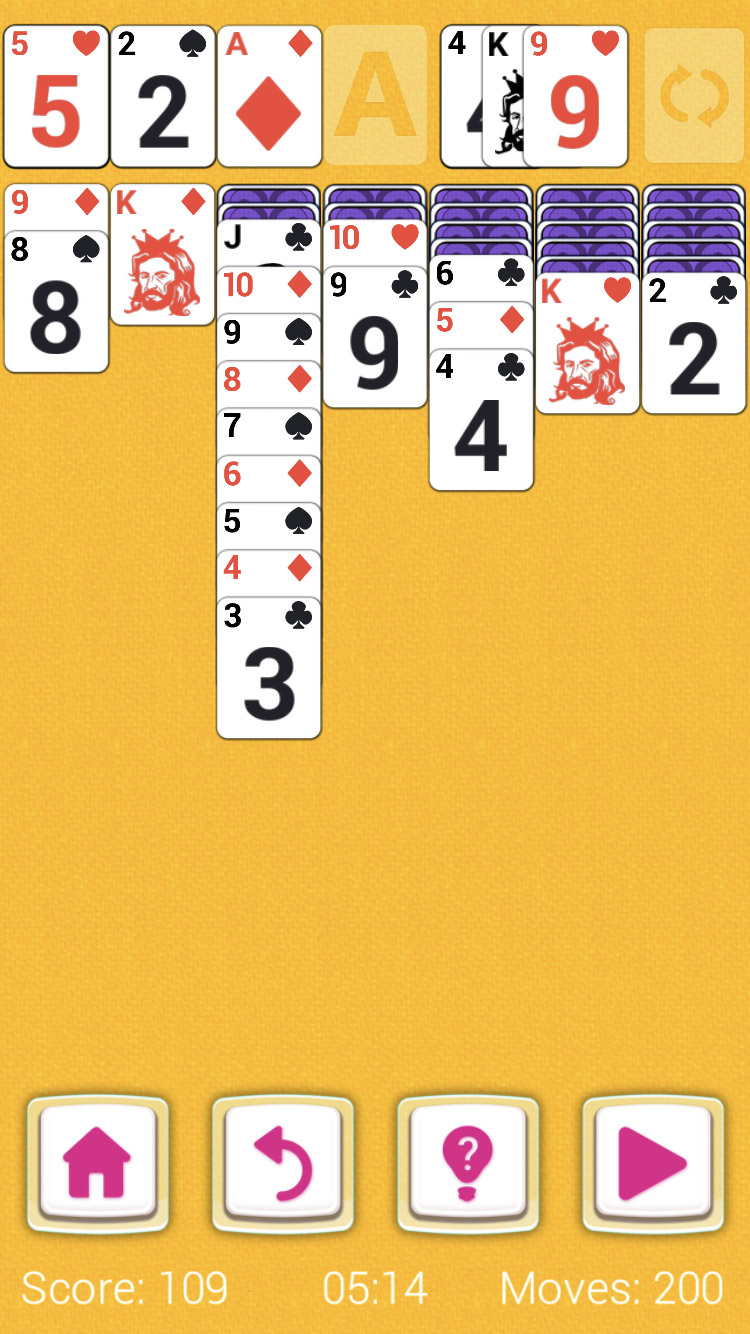
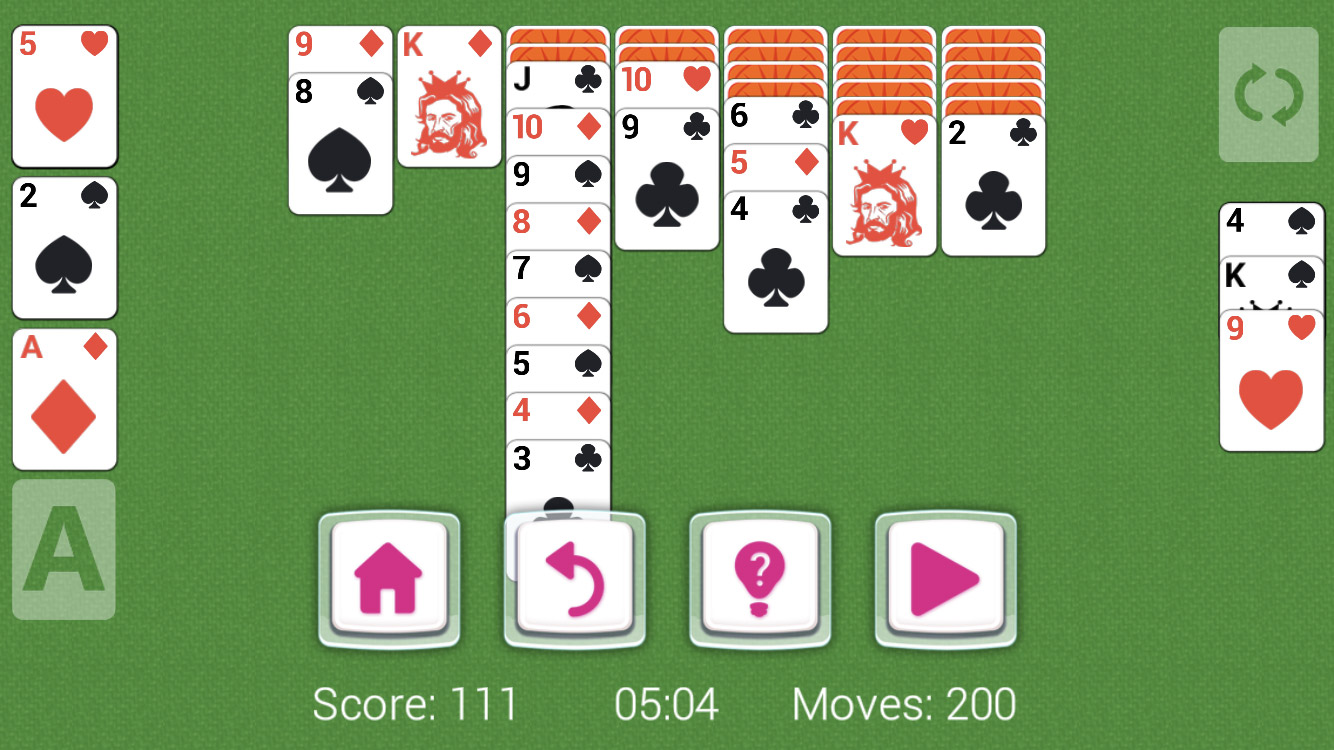
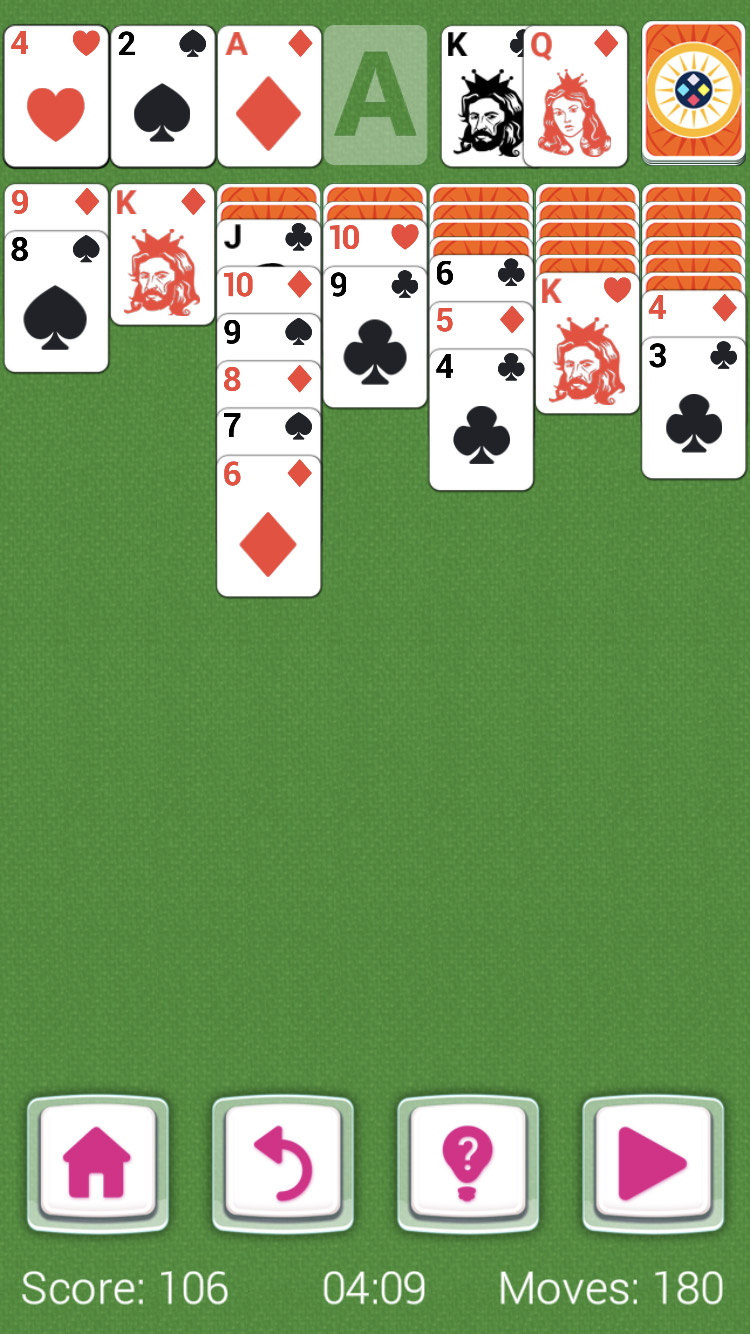
A classic solitaire game. At the moment, only the latest version is available – it features improved graphics, animations, and two dealing modes: draw one or draw three cards.

This solitaire was the first game I created at Synesis, using the very first version of our engine. You could say it was a real-world test of the engine’s capabilities.

The graphics, animations, and sound effects were handled by the rest of the development team.
The game supports both landscape and portrait orientations, and the layout switches automatically when the device is rotated, regardless of the current game mode.

Solitaire saves the player’s current progress, so you can pause the game and continue at any time.

The game also allows you to customize the appearance of the cards and the table. It keeps a full history of moves that can be undone at any point. Naturally, double-tapping cards works as expected. And if a player gets stuck, there are hints available to help them out.