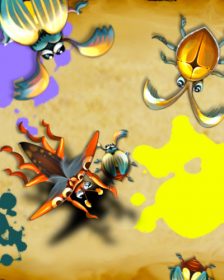
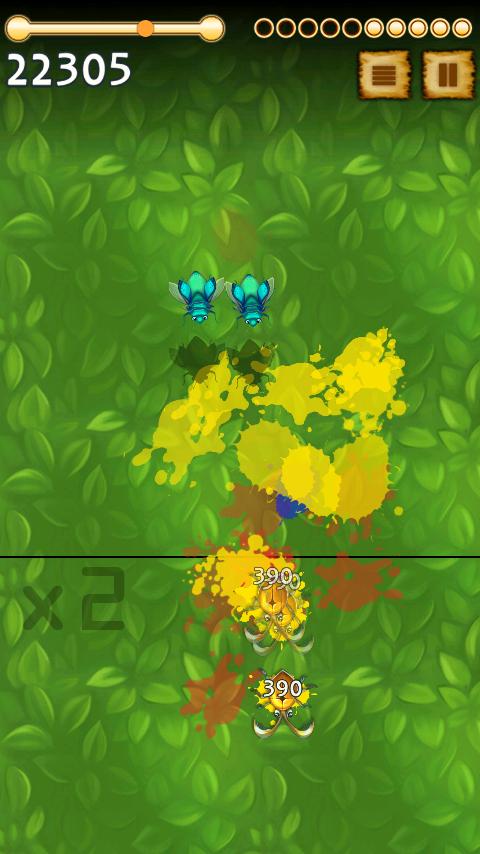
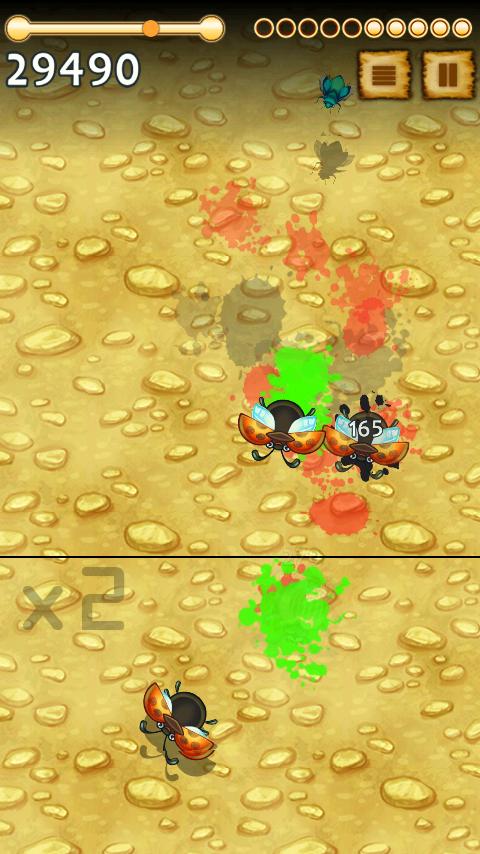
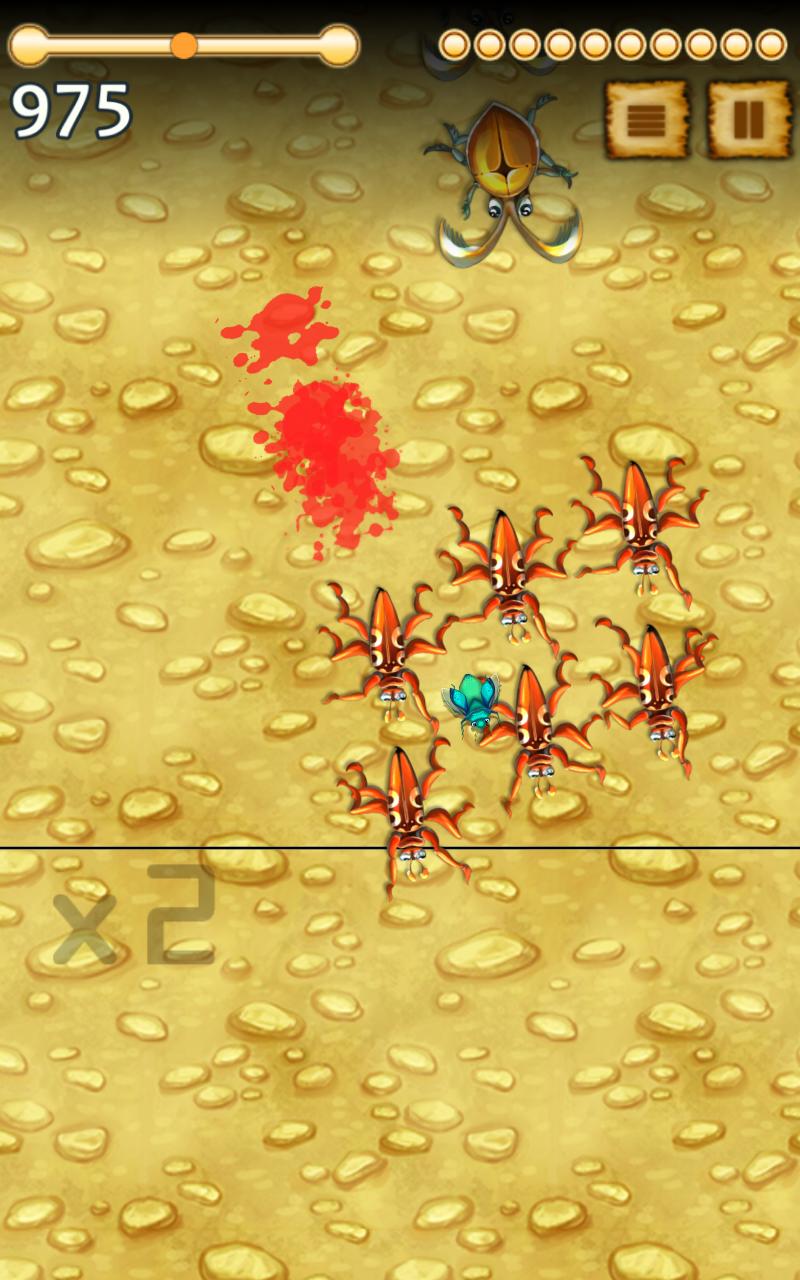
I created the first version of this game at my summer house over just two weekends in 2015. The full version differed only by minor interface tweaks, improvements to the wave generator, and Facebook integration.
The game featured saving and progress synchronization across devices, allowing players to exit on one device and continue on another. At the time, I thought this was a useful feature, but now I see it as an unnecessary use of time.
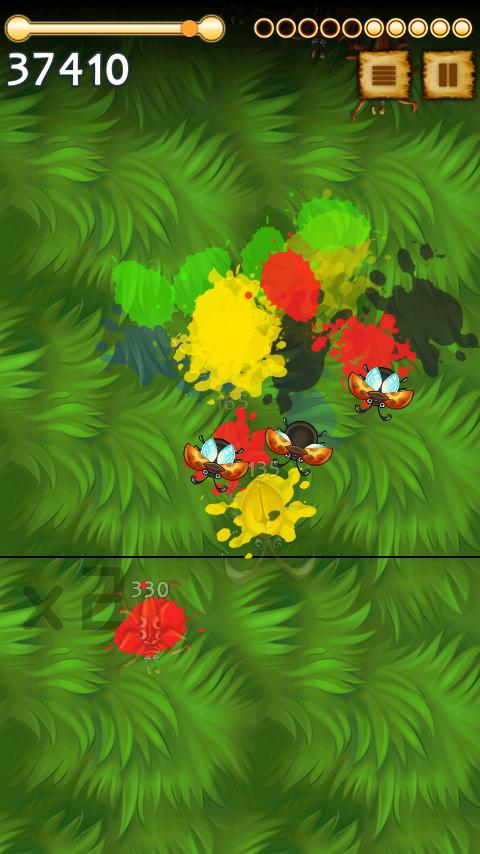
Most of the bugs in the game were originally made for another game that never saw the light of day. Yet in this game, they fit perfectly and added a unique charm. I designed the game interface myself using GIMP.
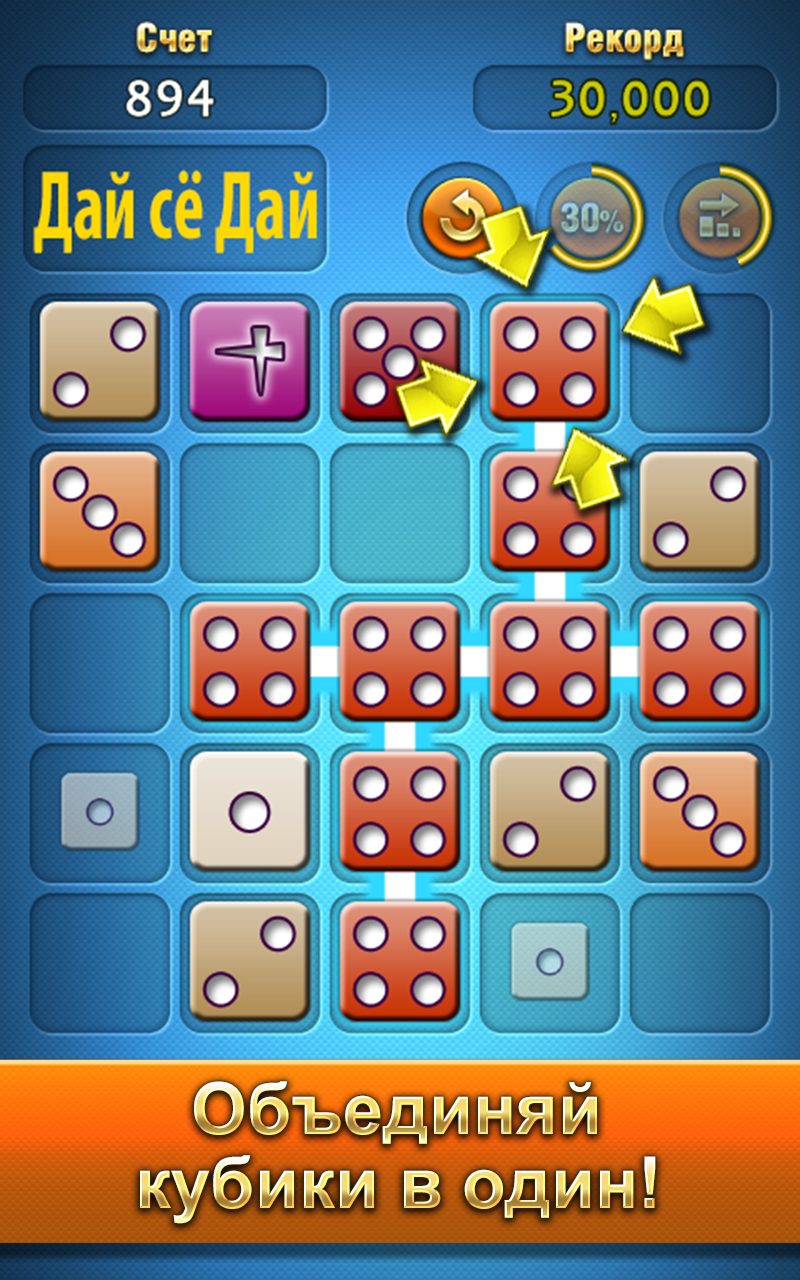
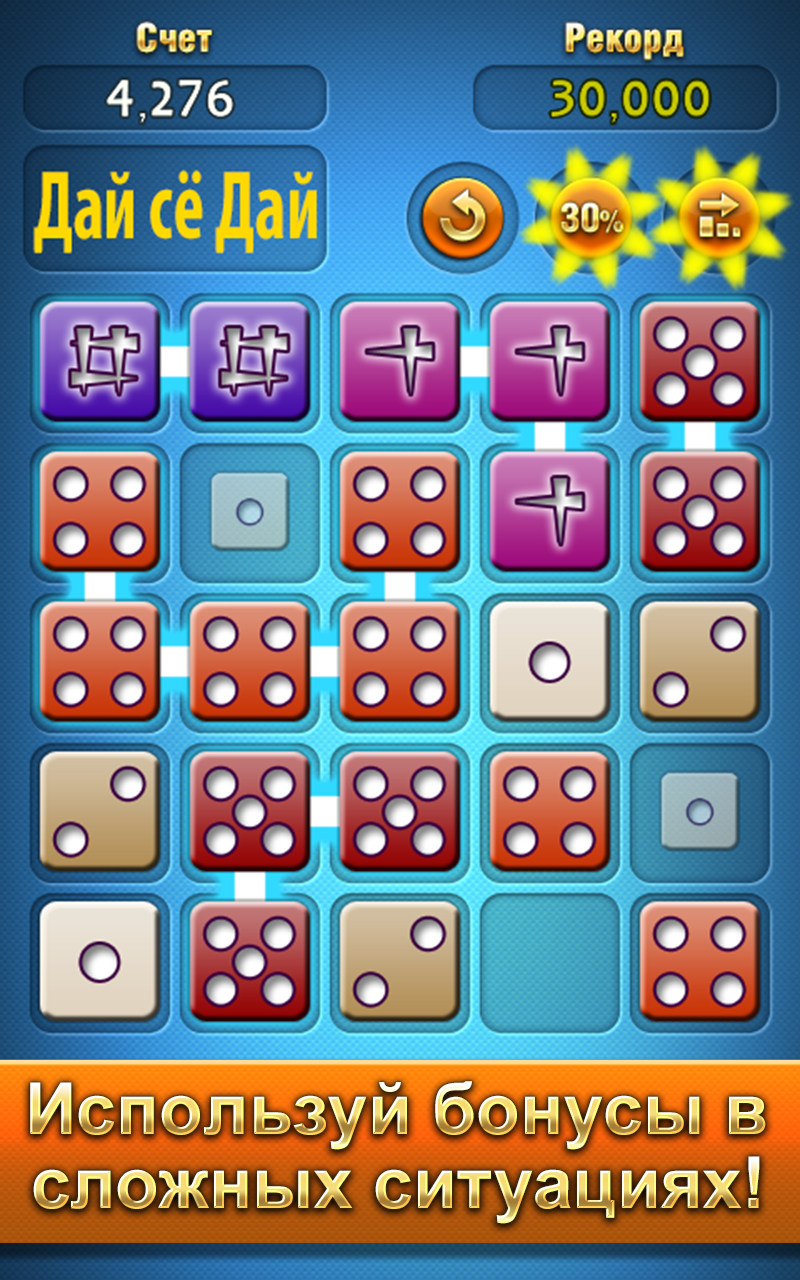
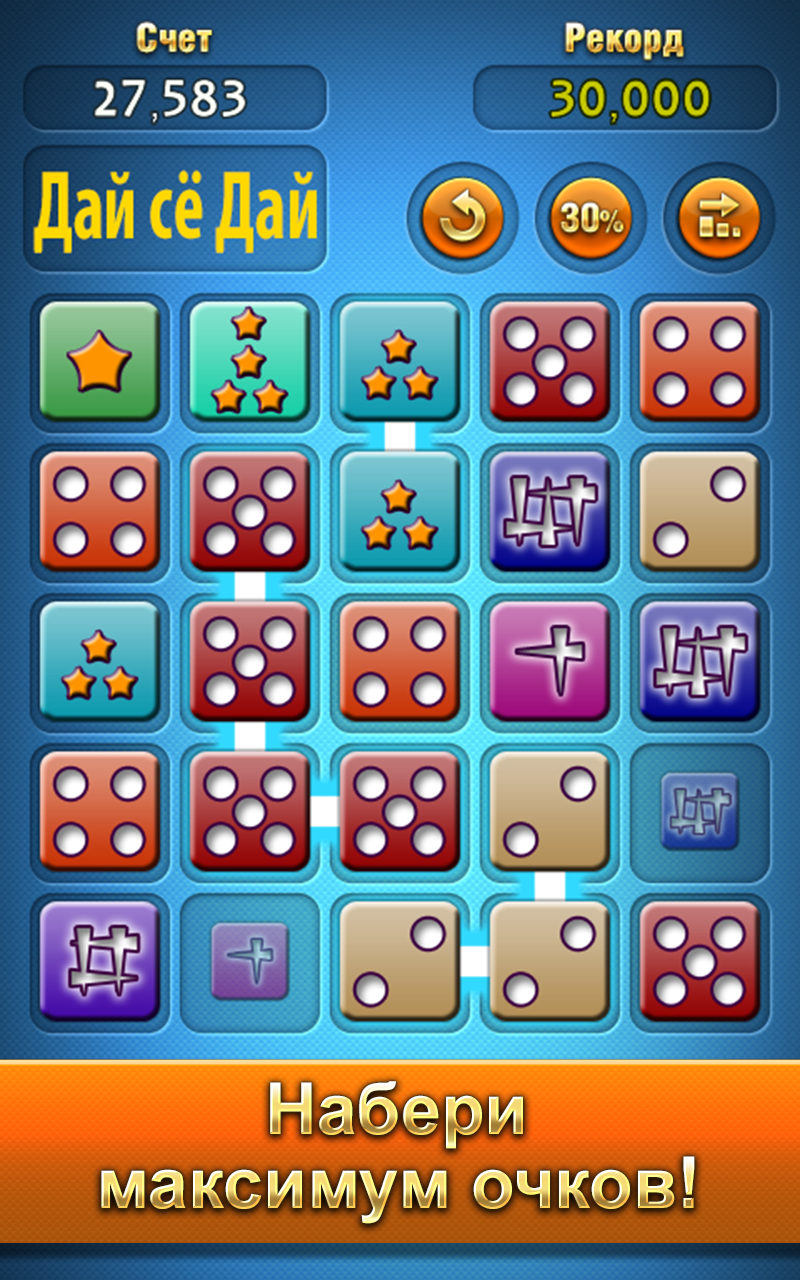
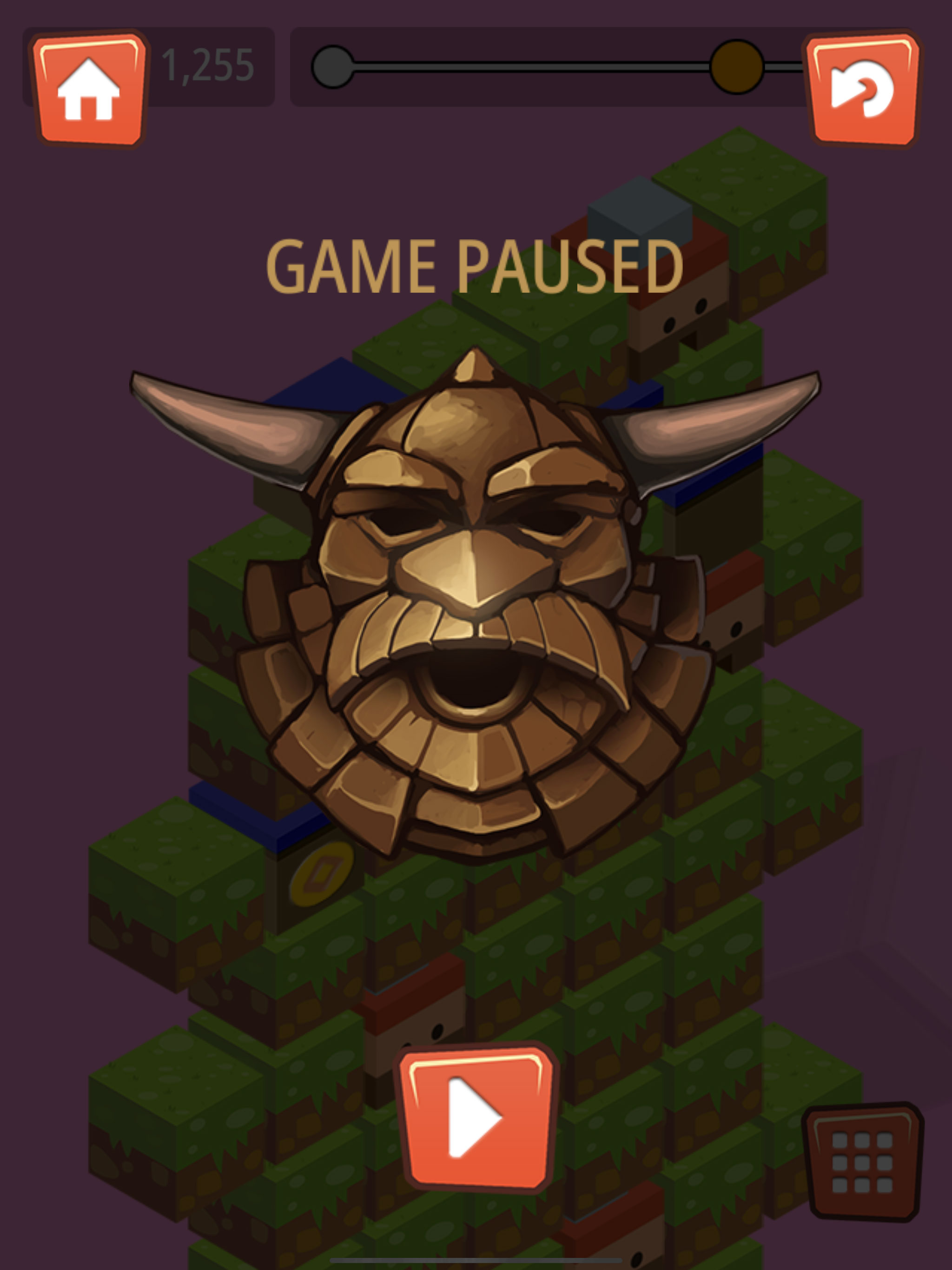
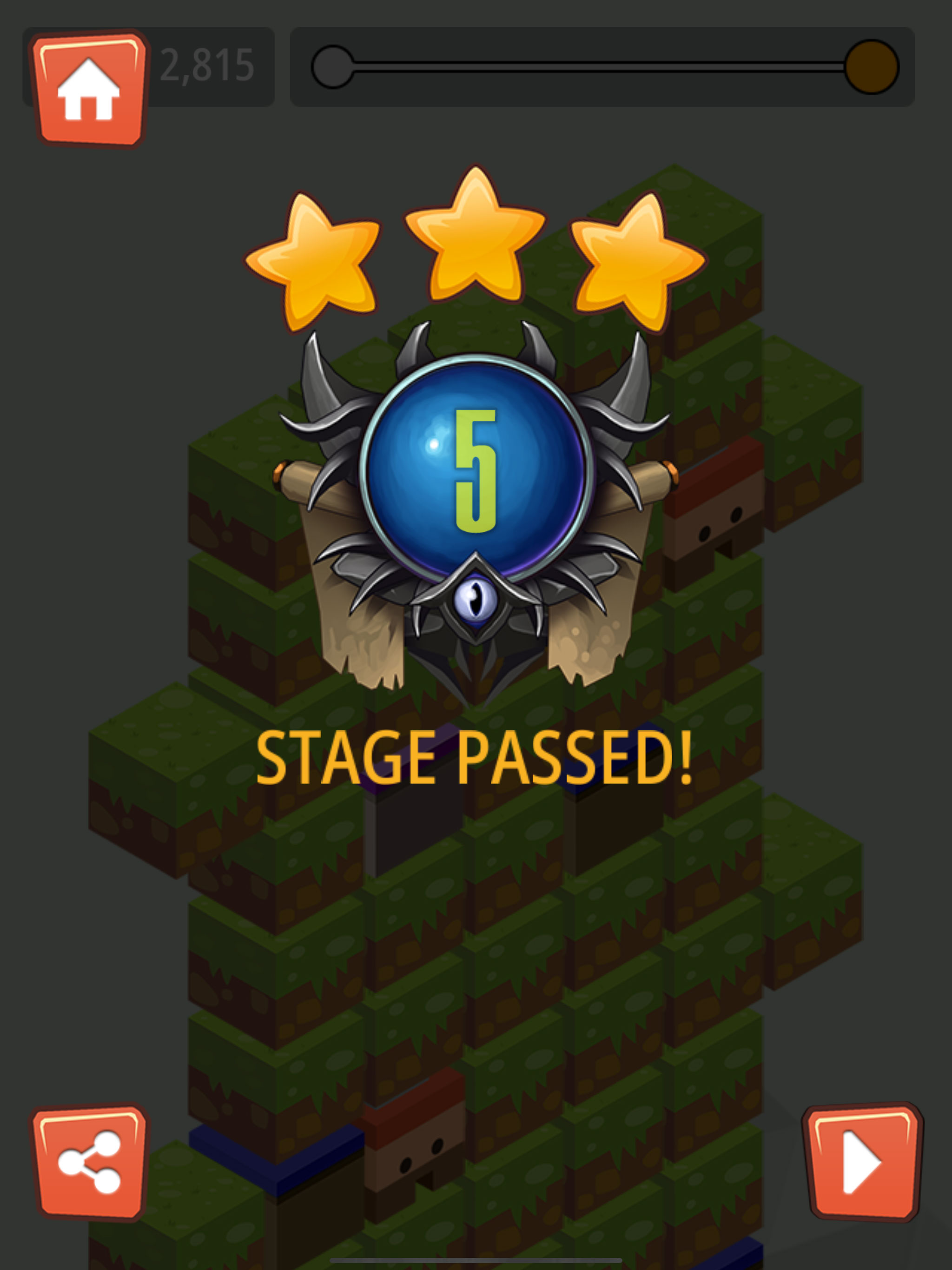
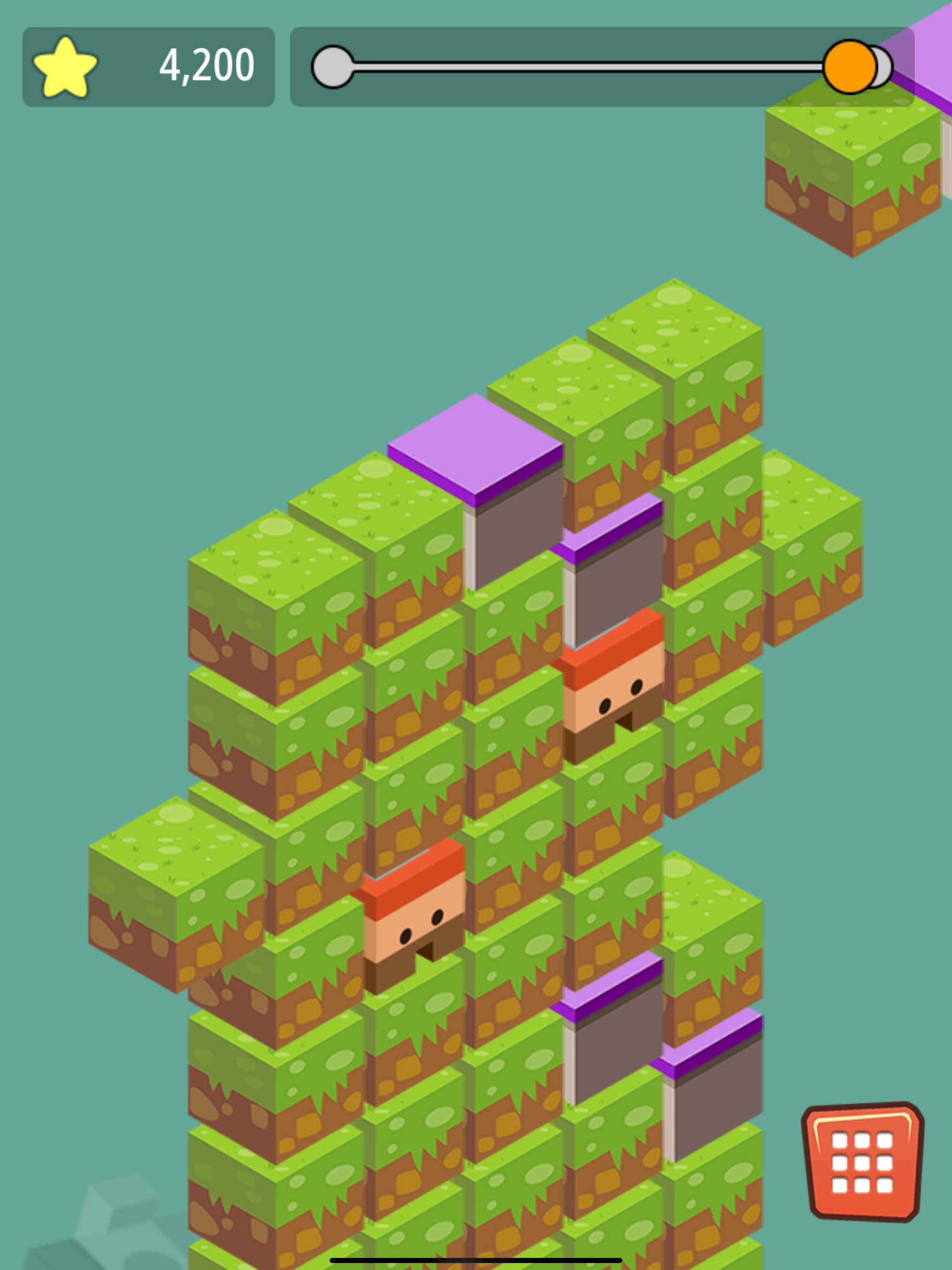
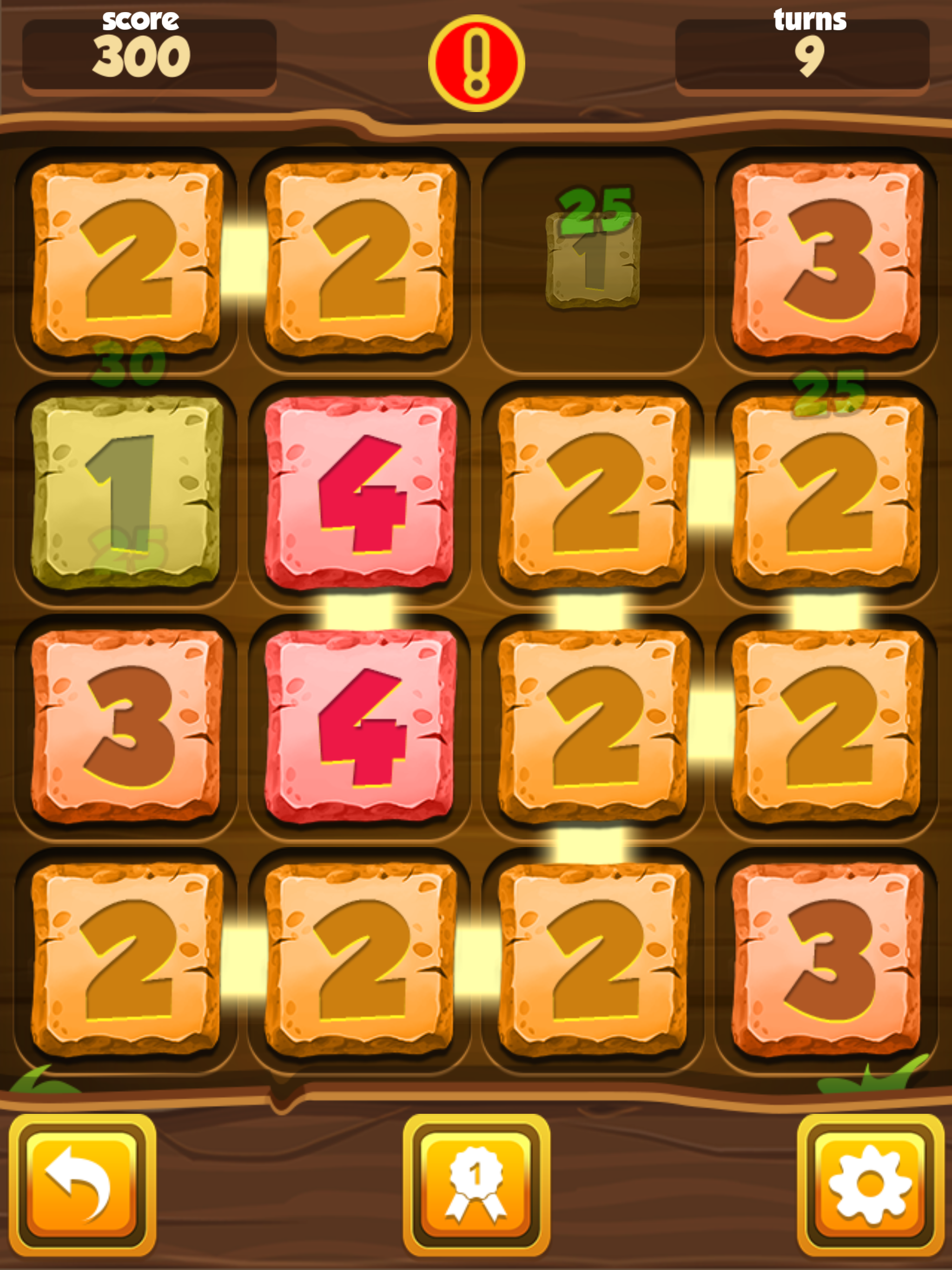
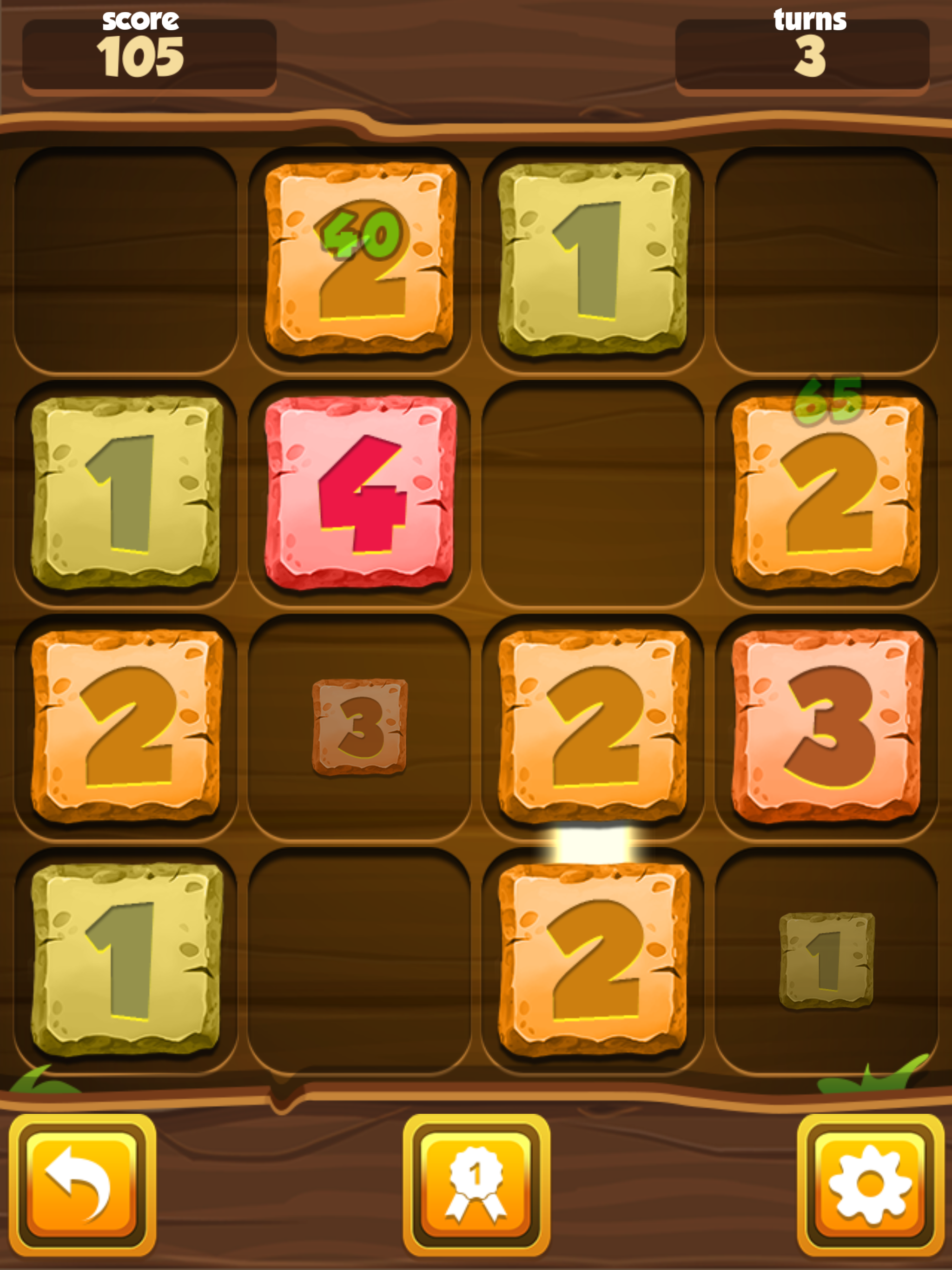
A logic game for mobile devices, blending elements of 2048, Color Lines, and Match-3.
This game, like Krakoid and Bugzz Smasher, was built on my own engine. The engine supported only a few platforms — Linux, macOS, Windows, iOS, and Android. Development was mainly done on Linux.
The screenshots show a later version of the game, where the graphics were polished to the level of “finally not hurting your eyes” at Melesta. The game was also published by Melesta. Unfortunately, it was completely unsuccessful. This may have been due to extremely long sessions, which could last days or even weeks, and poorly designed monetization. There was not even a basic rewarded video feature — only interstitial ads at the end of a session. And, as you may remember, sessions lasted a very long time.
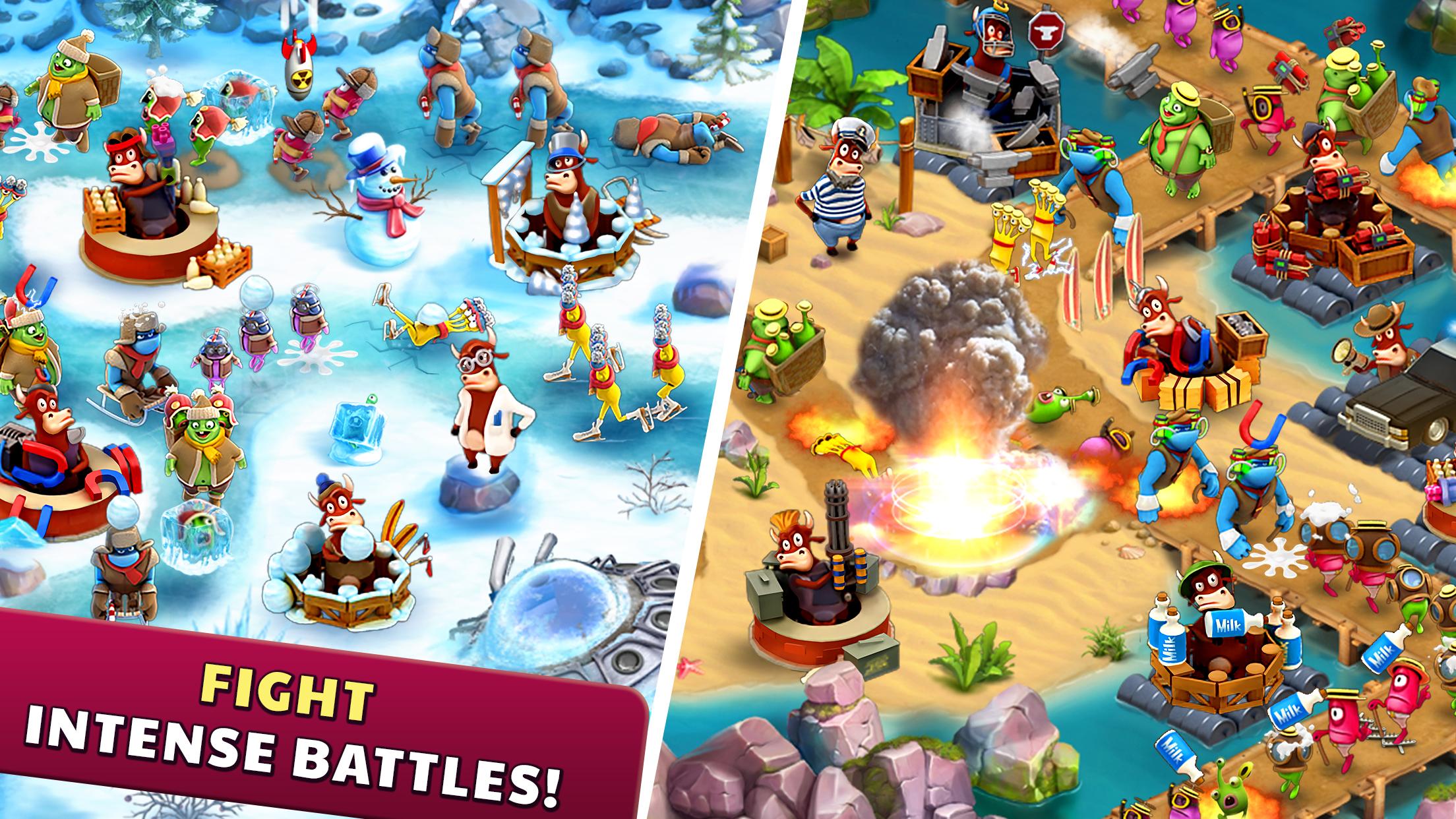
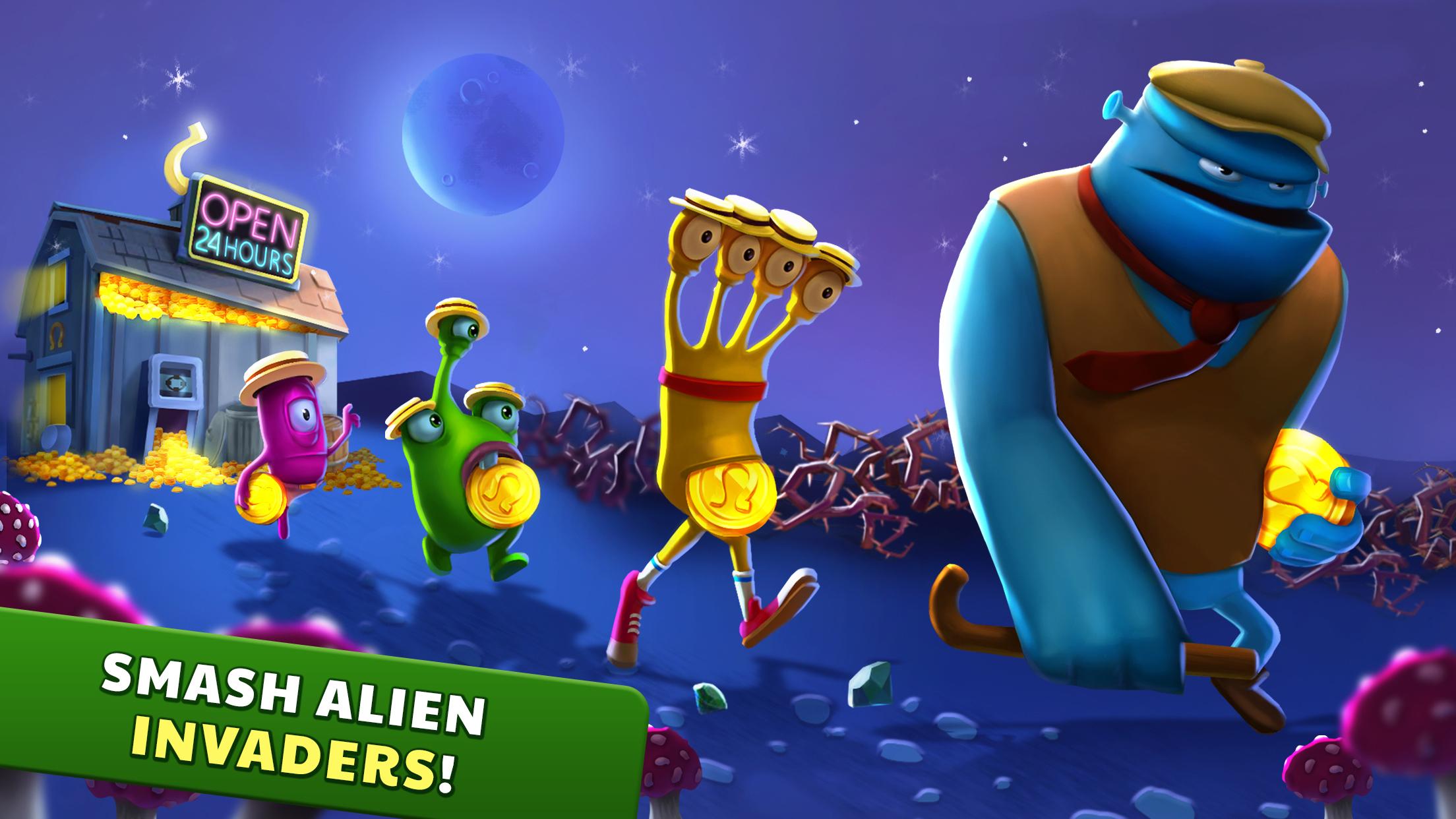
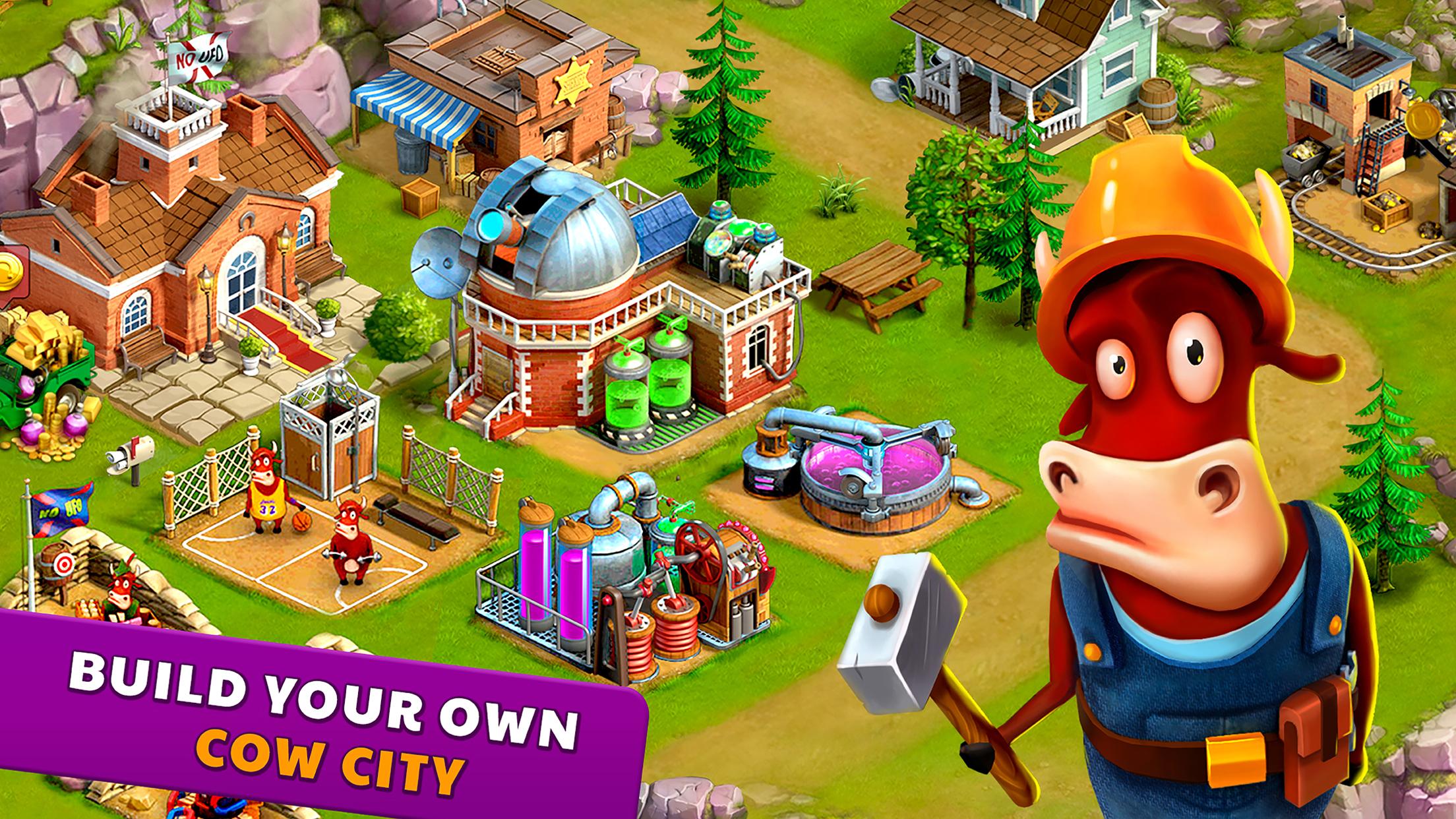
A tower defense game developed by Belka for social networks – a really cool game with a great story, artwork, and animations. The original game was built in Adobe Flash.
I was one of three programmers responsible for porting the game to iOS and Android, using C++ and a custom engine. I worked on the tower defense core of the game, the popup system, the tutorial system, a localization-merging utility, and various smaller features. Everything else – which was a huge amount of work – was done by other talented members of the team.
Some of the graphics and animations were taken from the original Flash version, while others were recreated from scratch. For example, most of the user interface was redrawn.
Cutscenes were implemented as video clips loaded from the server when needed, featuring animations of localized character dialogues. The old-film visual effect was implemented entirely in code.
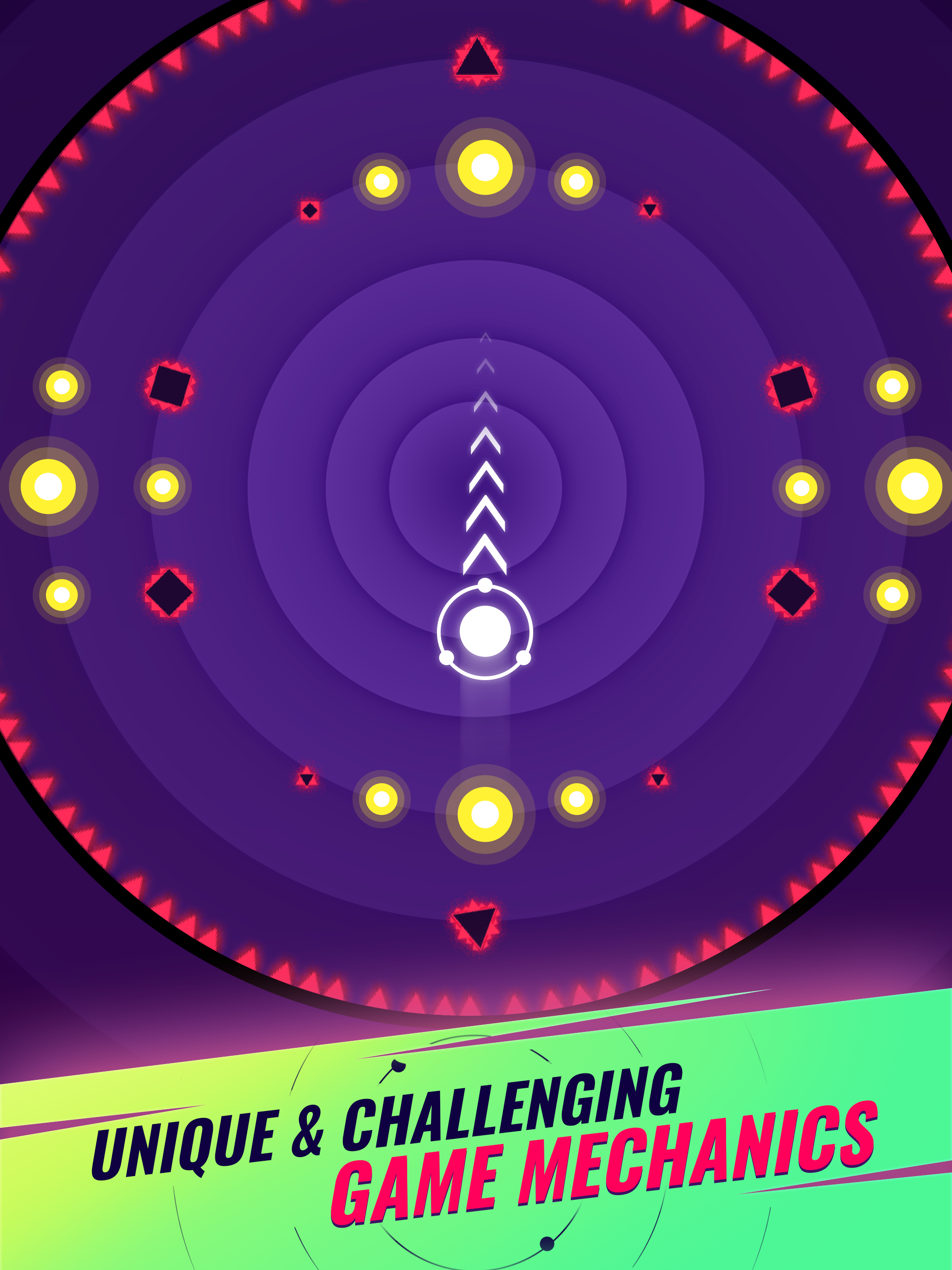
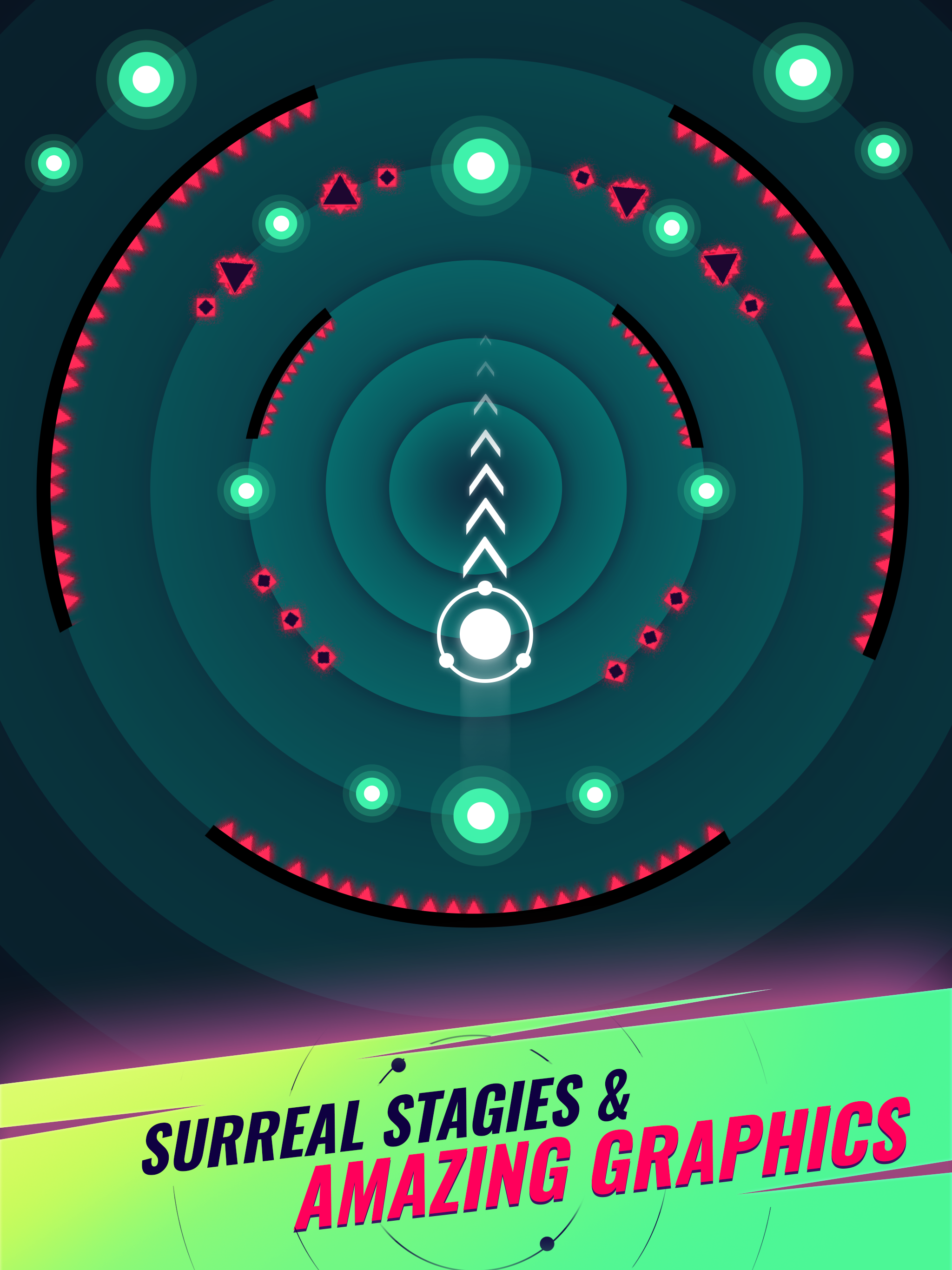
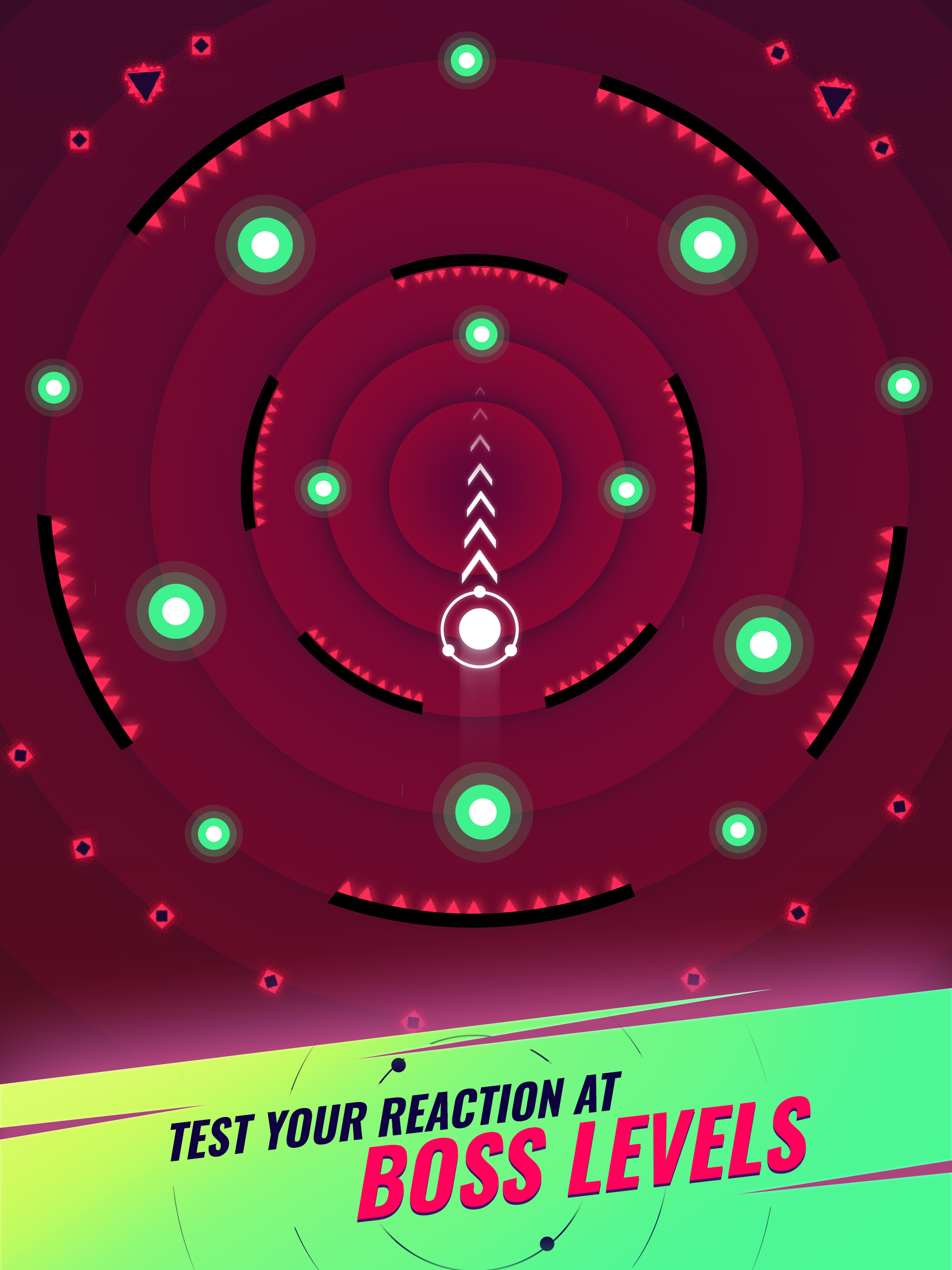
Ripple Jump is a hyper-casual game inspired by UQ42. Both projects were developed by a small team of four, using my custom C++ engine. The original plan was to hand the game over to a publisher, but unfortunately it didn’t perform well in terms of metrics. I believe the main issues were the level balance, excessive difficulty at times, and a lack of dynamic gameplay in certain situations.
The first version came together fairly quickly, but the final build ended up consuming far too much time. One of my biggest mistakes was trying to please every “expert” who had an opinion on how a feature should be implemented. Their advice often led to unnecessary changes, while none of them were risking their own time or money. Looking back, this was a significant factor in the project’s failure.
Although the game never had a built-in editor, it did include the ability to load balance settings and custom levels externally, and even launch arbitrary levels. Naturally, this functionality was disabled in the release build.
Ripple Jump supports both portrait and landscape orientations. The mechanics are simple enough that it could be played not only on mobile devices, but also on Android TV, Apple TV, or even desktop in landscape mode. Development began on macOS with support for macOS and Web builds, and closer to release I added projects for iOS and Android.
It’s unfortunate that the game turned out to be a commercial failure, because I truly like both the art style and the core idea. Maybe someday I’ll revisit the project, rework the level balance, add a few new mechanics to improve variety, and build proper versions for Apple TV and Android TV.
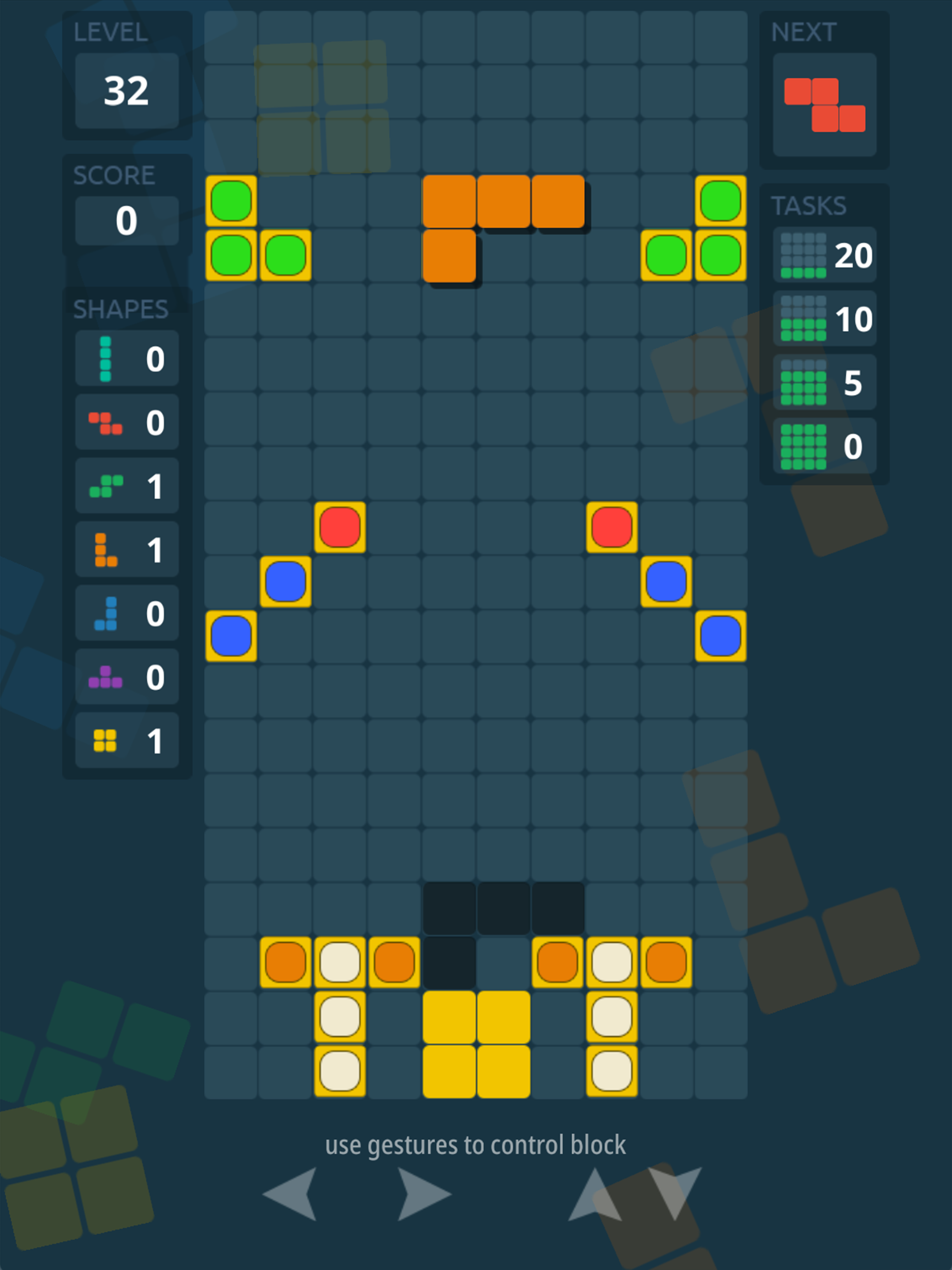
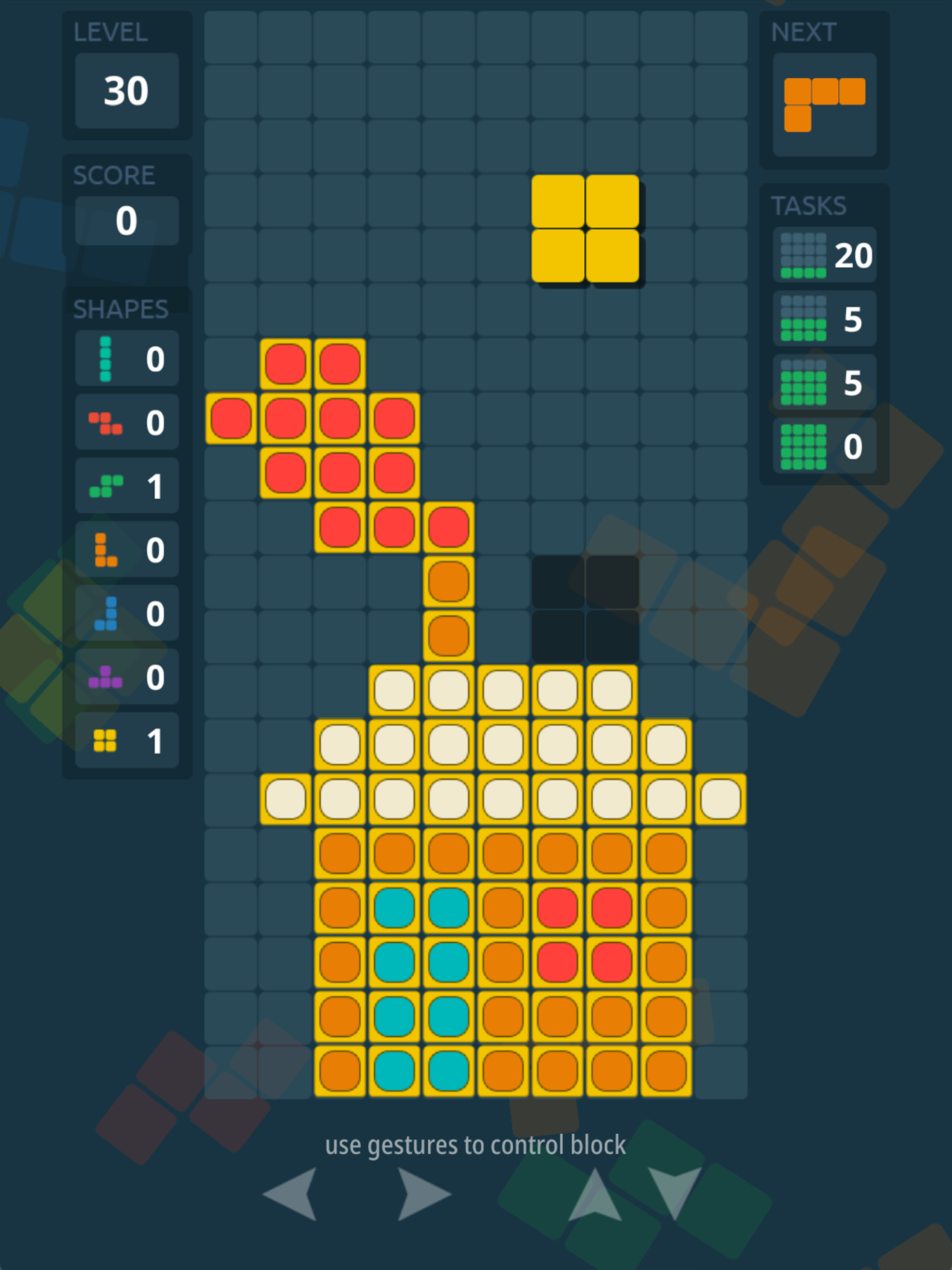
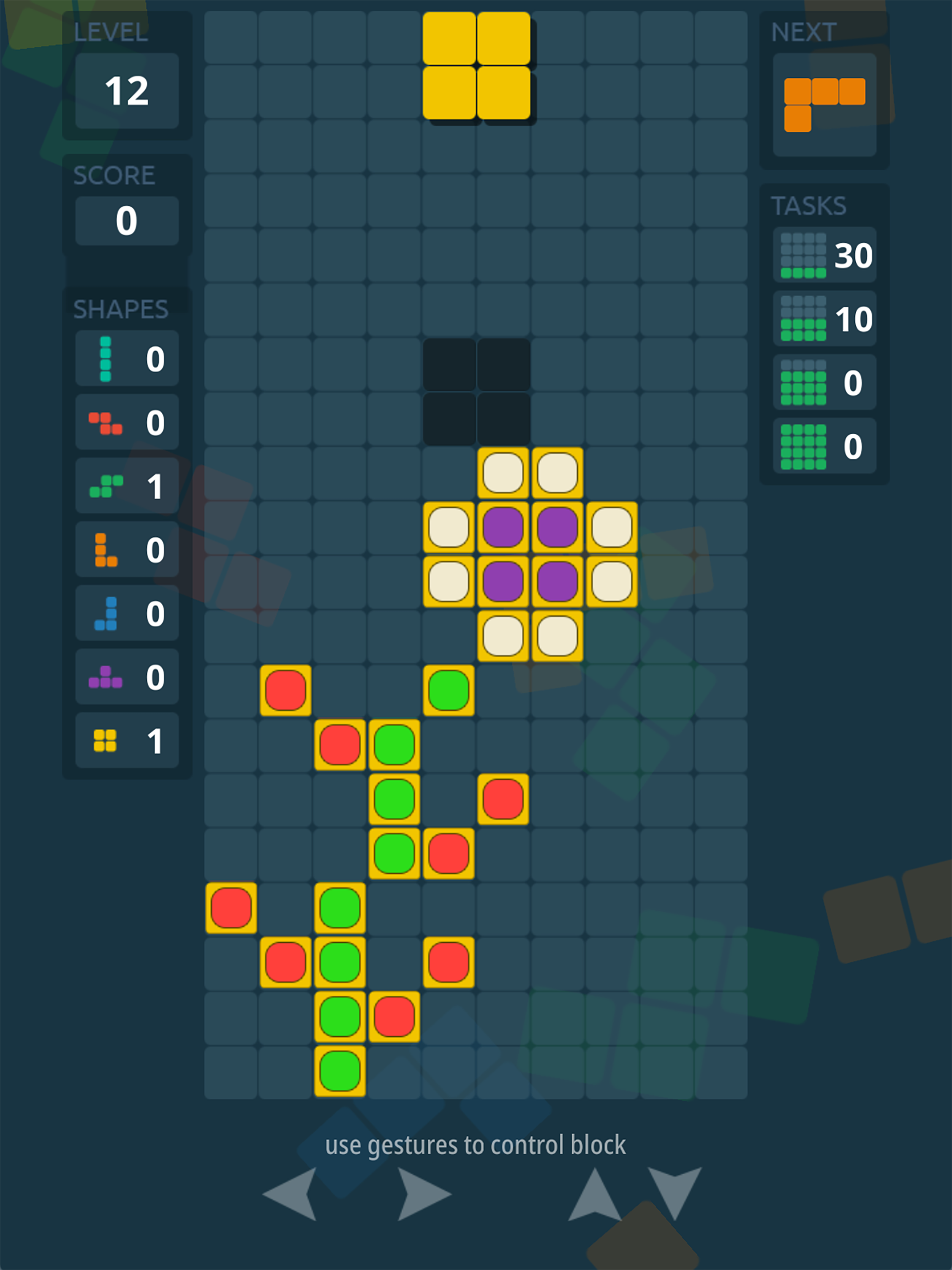
Tricky Blocks is a classic Tetris-style game with expanded gameplay. Players progress through levels by completing various objectives. These can include destroying a specific shape or clearing a certain number of lines – single, double, triple, or even quadruple.
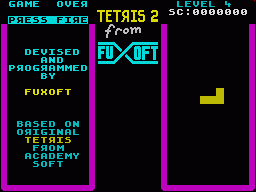
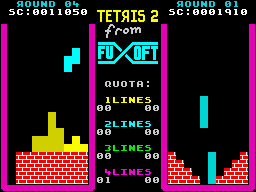
The game is inspired by the original Tetris from Fuxoft. Below are a few screenshots of the original game running on the ZX-Spectrum.
On mobile devices, the game is controlled via gestures, while on the web and desktop, you can use a keyboard.
Tricky Blocks is available on iOS, Android, Facebook Instant Games, Yandex.Games, and the web. The game is built on my custom C++ engine, which I use for all of my projects. Since development was done on macOS, a version for this platform is also available.
The game includes a level editor, allowing you to create and edit levels and test them immediately. The editor is only accessible in the developer version; it is not included in the public release.
One unique feature of Tricky Blocks is that shapes move smoothly across the grid, rather than snapping abruptly from cell to cell, as in most Tetris games.
The most challenging part of development was iterating on the game design and interface layout to make it look good across different aspect ratios. I solved some of these issues, but I believe there’s still room for improvement. Designing and balancing the levels was also difficult – and unfortunately, the balance isn’t perfect yet.
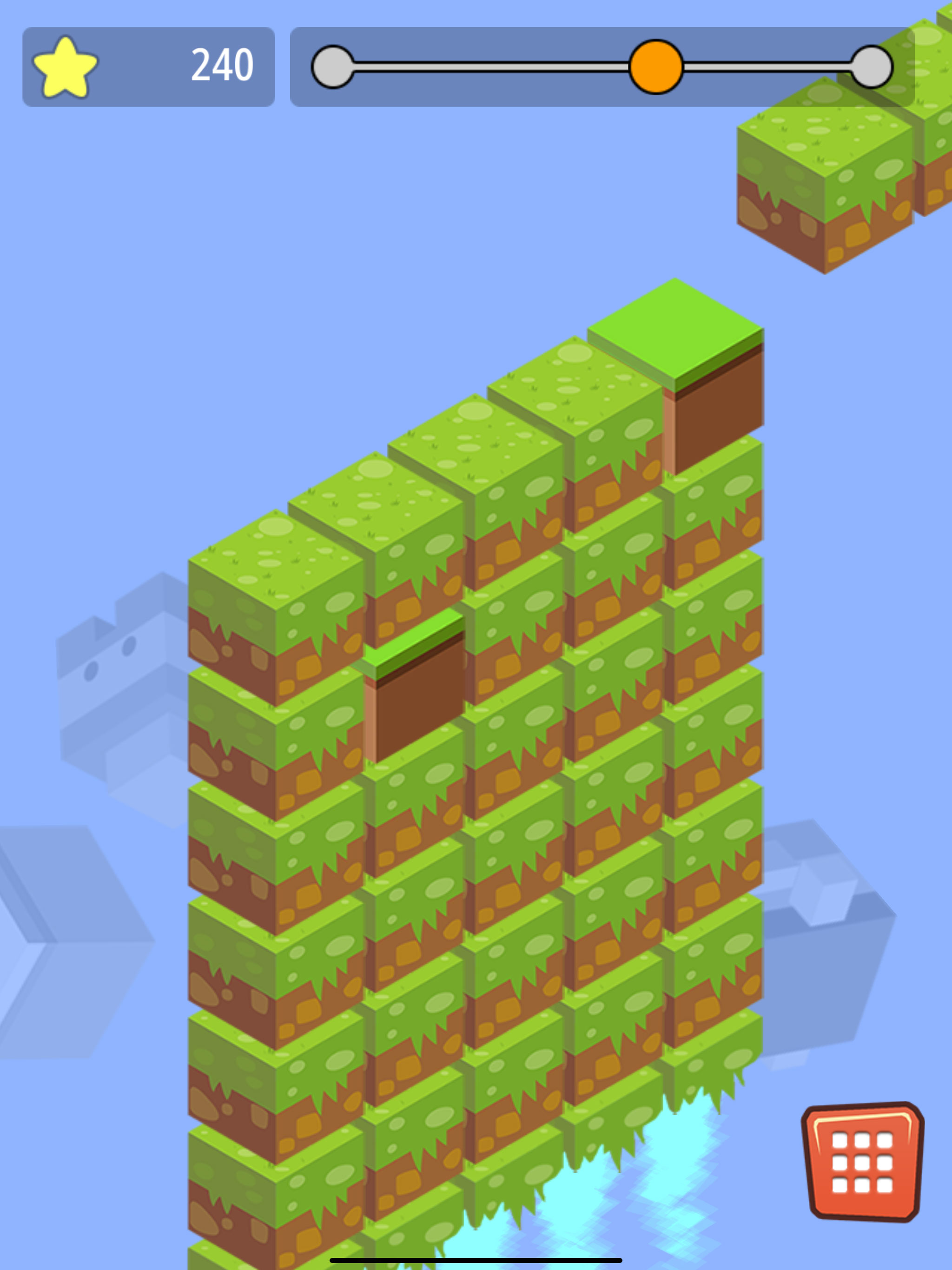
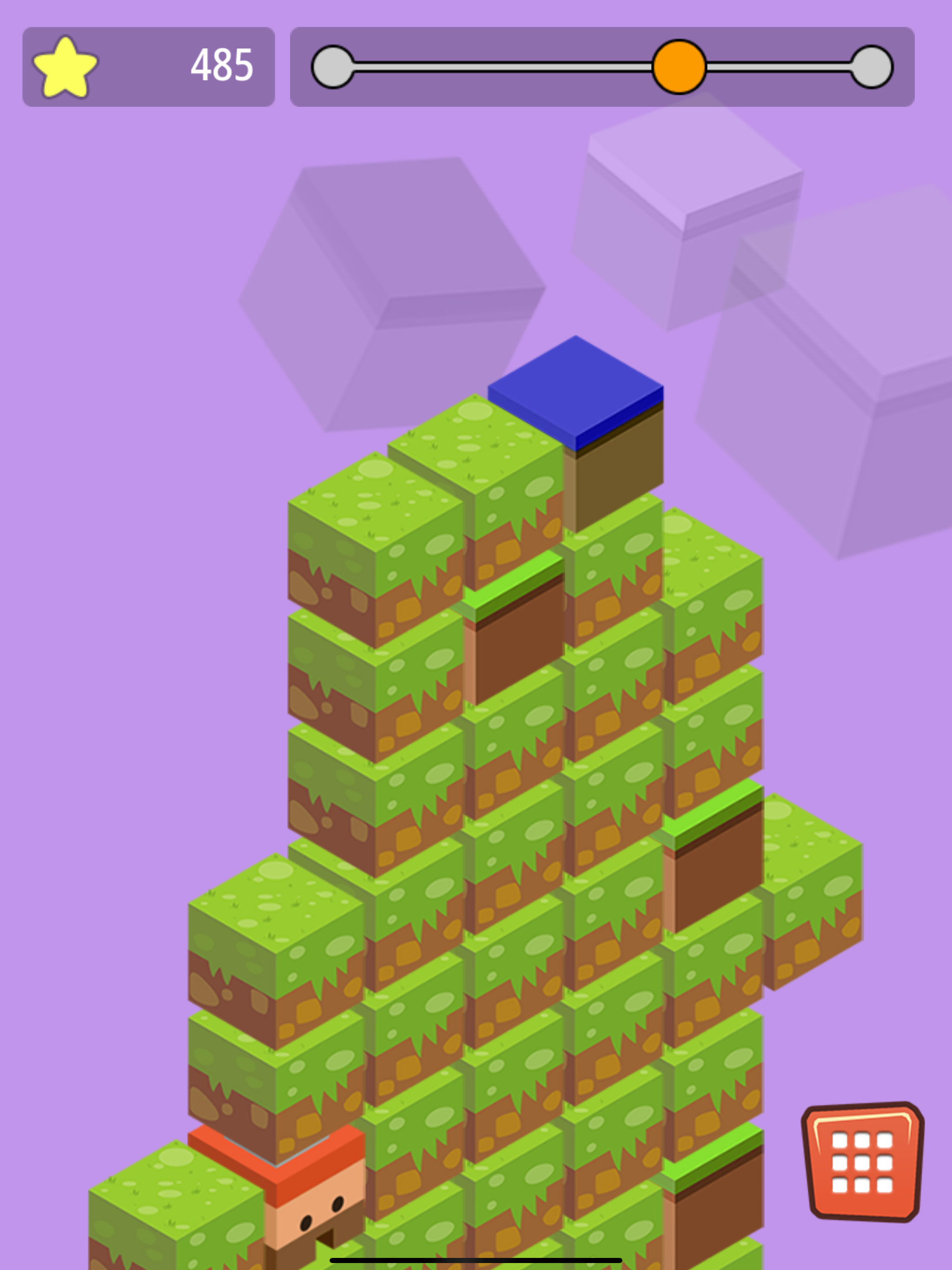
Cubic Tower is a classic arcade game that has made its way from the old-school arcade machines to modern mobile devices and desktops.
In this new version, I’ve switched to the latest build of my custom C++ engine AGE, refreshed the game’s interface, and reworked the core gameplay. The game now features proper levels, the option to continue after a missed block, and a smoother introduction of super cubes so that new players aren’t overwhelmed by too many features at once.
As always, the game is available on iOS, tvOS, Android, Android TV, and Web (on my website, Facebook, OK, VK, and Yandex.Games).
The Web version includes a custom-built game center that stores leaderboards and player profiles. This allows VK and OK users to keep their progress even if they switch browsers or devices – start on desktop, continue seamlessly on mobile.
There’s nothing particularly “secret sauce” about the game – animations and sequences are all handcrafted with my own action system. Thanks to the AGE engine, the game is easily portable across platforms. A new update is already in the works: it will fix the animation for precise block placement, improve navigation with keyboard, gamepad, or TV remote, and most likely rework the super cube, which currently duplicates the last placed block.
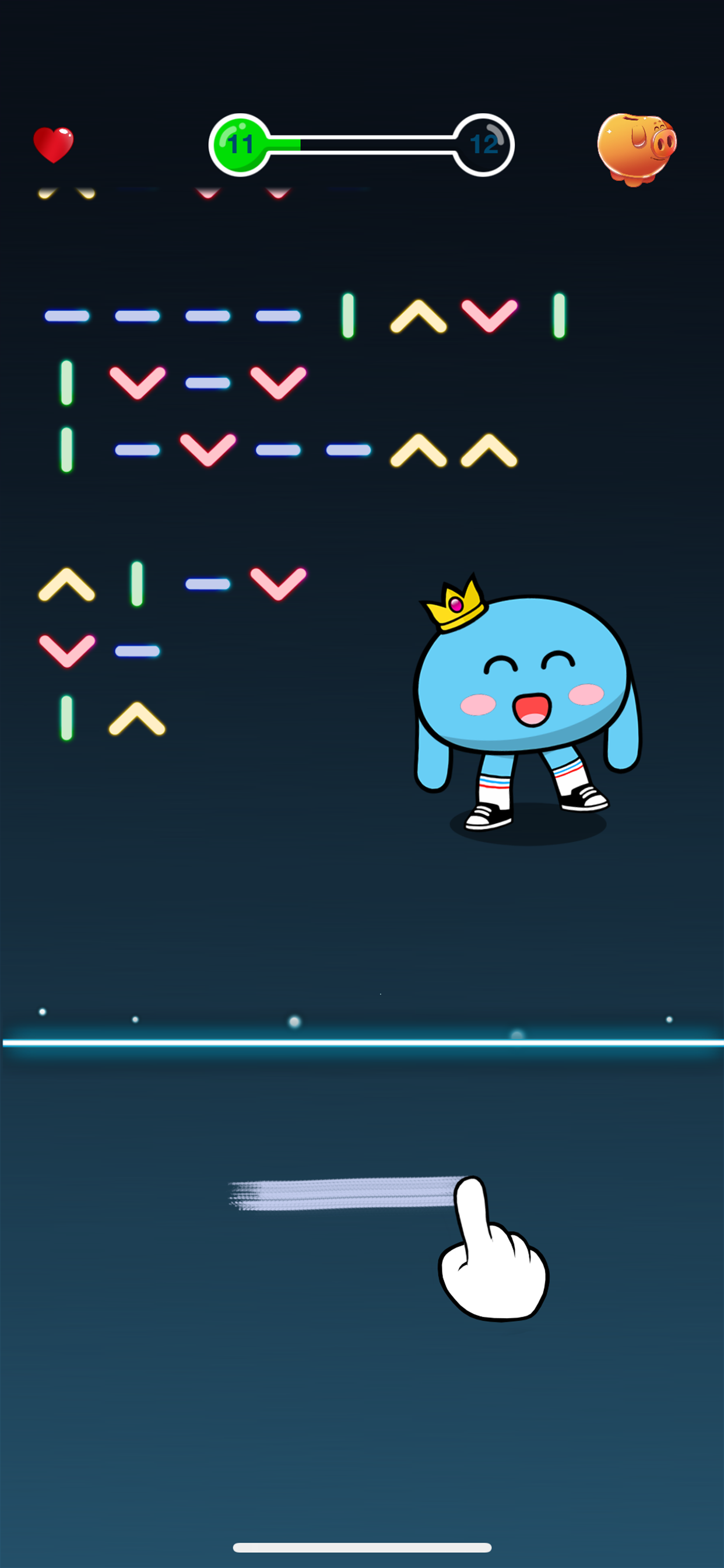
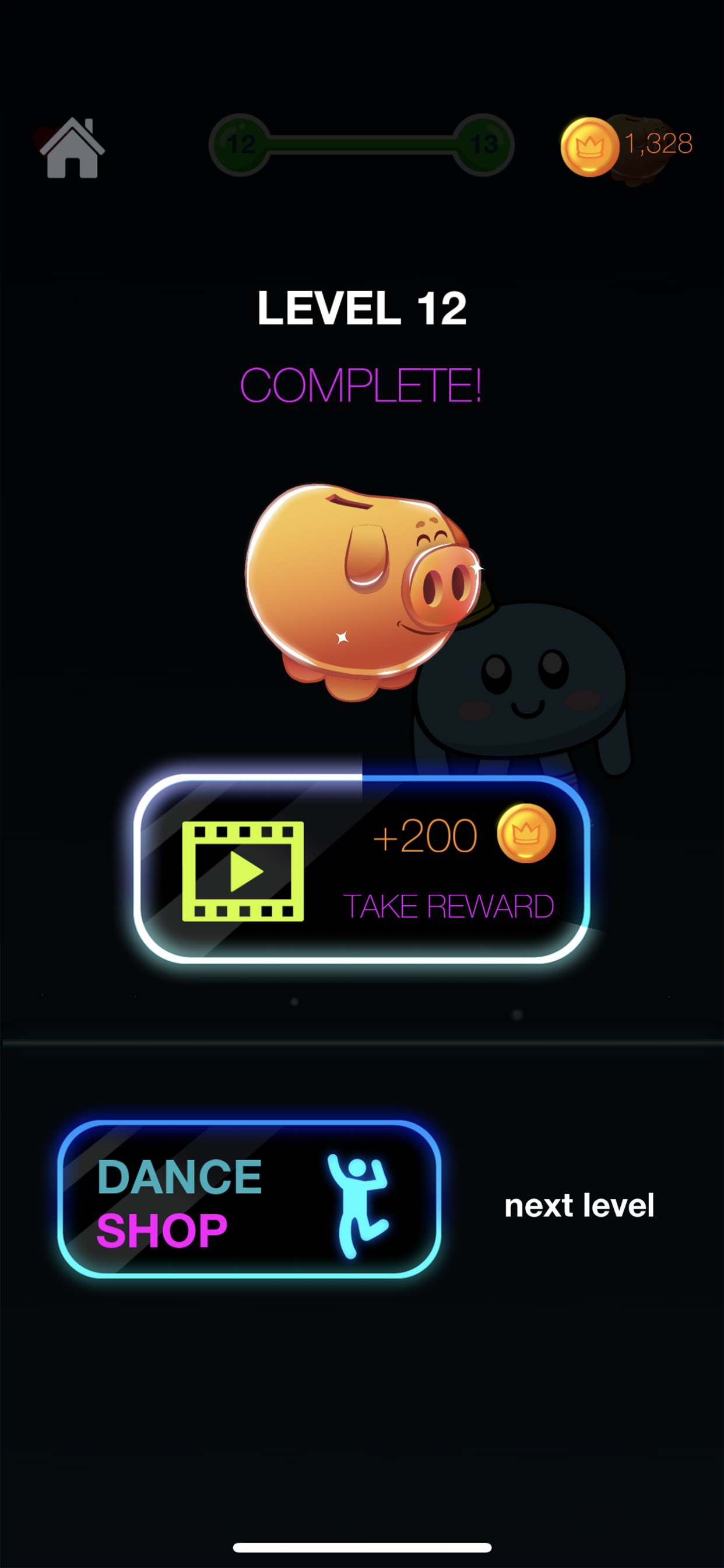
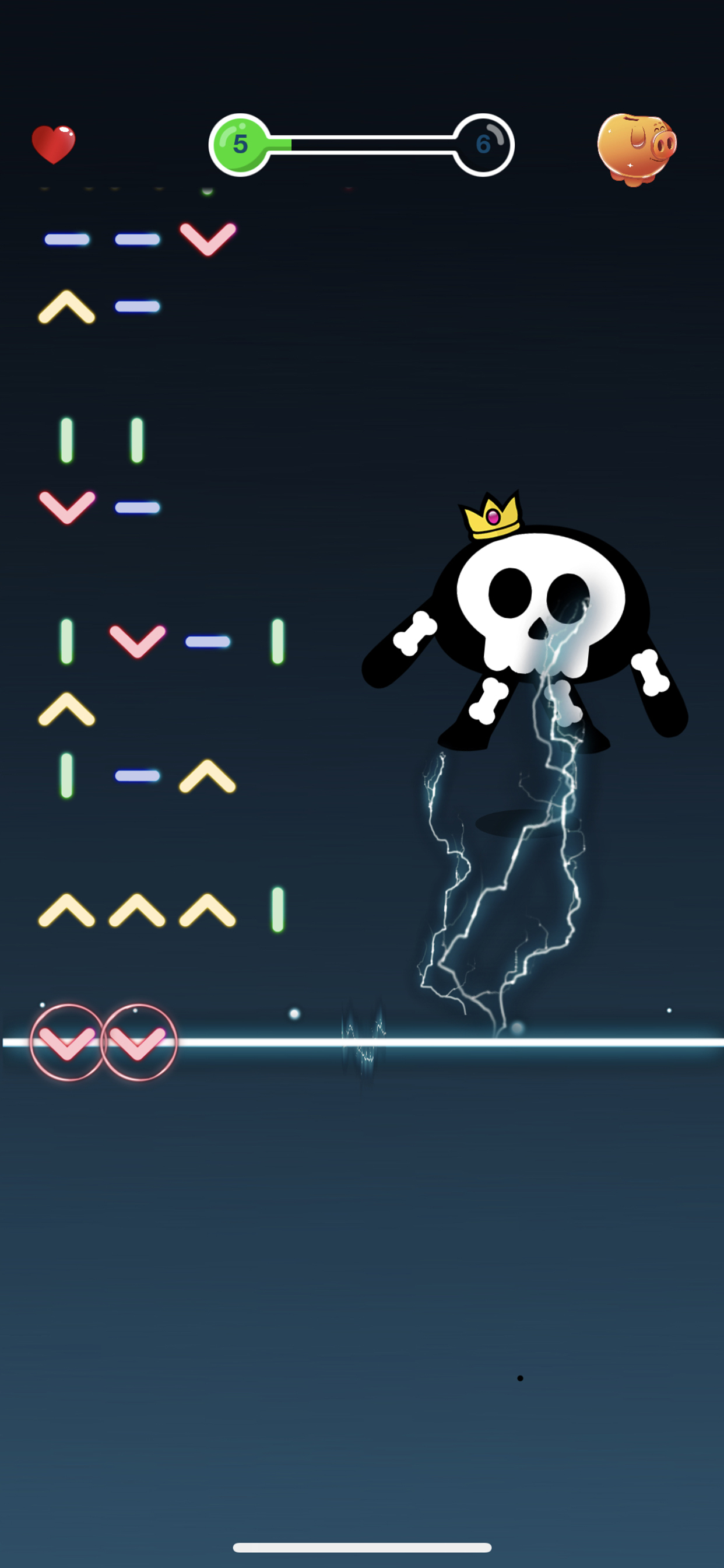
A hyper-casual game by Diesel Puppet for iOS and Android. The player’s task is to draw gestures shown in the left column of each wave. You have to do it quickly, since the list of gesture icons keeps moving downward. The game also features a shop where players can unlock different dances. At the moment there are 10 dance variations, each delightful in its own way. I especially enjoy the character’s animations.
I participated in the game’s development as a programmer. The concept, graphics, Spine animations, and balance were all created by the Diesel Puppet team. The game was built on my cross-platform engine, AGE.
At first, I used a neural network for gesture recognition. For the “engine,” I tried the open-source GRT. However, I couldn’t achieve high recognition accuracy despite spending a lot of time training the network. Most likely, my kung fu was far from master level.
In the end, I completely abandoned the neural network and switched to the $P+ algorithm with some small modifications. These tweaks mainly minimized false positives but didn’t affect the core principle. It’s worth noting that this algorithm is quite fast and requires no lengthy training – you just need to describe gestures in mathematical form.
For level design and gameplay balancing, I made a web version of the game with configs loaded from a server. In the release version, this functionality was disabled.
Yesterday marked the deadline for submissions to the international Ludum Dare game jam. Developers are challenged to create a game from scratch in 72 hours (for the jam) or 48 hours (for the compo) based on a given theme.
Our team of four created Ultimate Question 42 in just 72 hours. I took on the role of programmer and technical specialist (well, what else could I do? :)), Shevadzutskiy Alexander was our game designer, and Artem Khodas and Dojo handled the art.
On the morning of the first day, we learned the theme, brainstormed ideas, and dove straight into development. By midday, we had a rough concept of the game, and by the second day, we had a playable version.
We decided to build the game on my engine directly for the Web, as it allows immediate testing without installing anything on desktop or mobile devices. A native Linux version is available on the project site, and I can run the iOS version on my smartphone. In the future, we plan to release public versions for iOS, Android, Apple TV (tvOS), Android TV, and Facebook Instant Games.
Although I was completely exhausted by the evening of the third day – like a squeezed lemon – I was incredibly satisfied with our work. Our team functioned seamlessly; everyone clearly understood their responsibilities, and in the end, we delivered a great result.
You can find the official Ludum Dare page for the game here: Ultimate Question 42
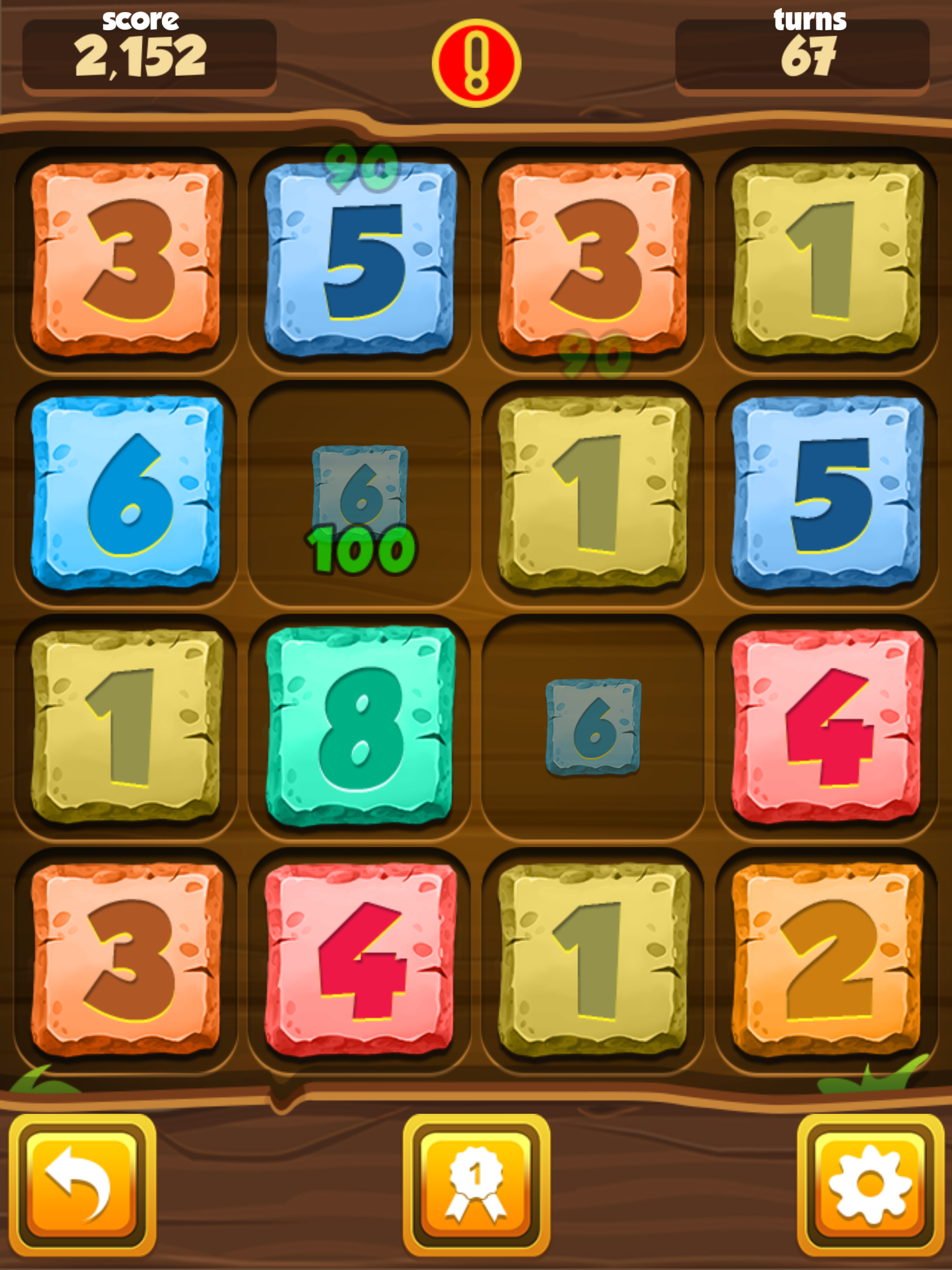
Smart Tiles is a logic-based strategy game where you merge identical tiles on a square grid to create higher-value tiles. Plan carefully, analyze your moves, and reach the top by achieving the tile with the highest value. Fast-paced yet engaging, it’s a brain-teasing challenge with strategic depth.
I developed the game from scratch in just a week. My goal was to finish it in five workdays, but it ultimately took seven. Most of the extra time went into the “small stuff,” like game balance and minor polish. The background music and sound effects were sourced from Sonniss.com, which recently released 30 GB of WAV 44kHz audio for public use.
Originally, I planned to release the game on Facebook Messenger, but versions for Android and iOS came out “automatically.” The development was done on macOS, using my own C++ engine – yes, for macOS, from macOS.
Manage Consent
To provide the best experiences, we use technologies like cookies to store and/or access device information. Consenting to these technologies will allow us to process data such as browsing behavior or unique IDs on this site. Not consenting or withdrawing consent, may adversely affect certain features and functions.
Functional
Always active
The technical storage or access is strictly necessary for the legitimate purpose of enabling the use of a specific service explicitly requested by the subscriber or user, or for the sole purpose of carrying out the transmission of a communication over an electronic communications network.
Preferences
The technical storage or access is necessary for the legitimate purpose of storing preferences that are not requested by the subscriber or user.
Statistics
The technical storage or access that is used exclusively for statistical purposes.The technical storage or access that is used exclusively for anonymous statistical purposes. Without a subpoena, voluntary compliance on the part of your Internet Service Provider, or additional records from a third party, information stored or retrieved for this purpose alone cannot usually be used to identify you.
Marketing
The technical storage or access is required to create user profiles to send advertising, or to track the user on a website or across several websites for similar marketing purposes.