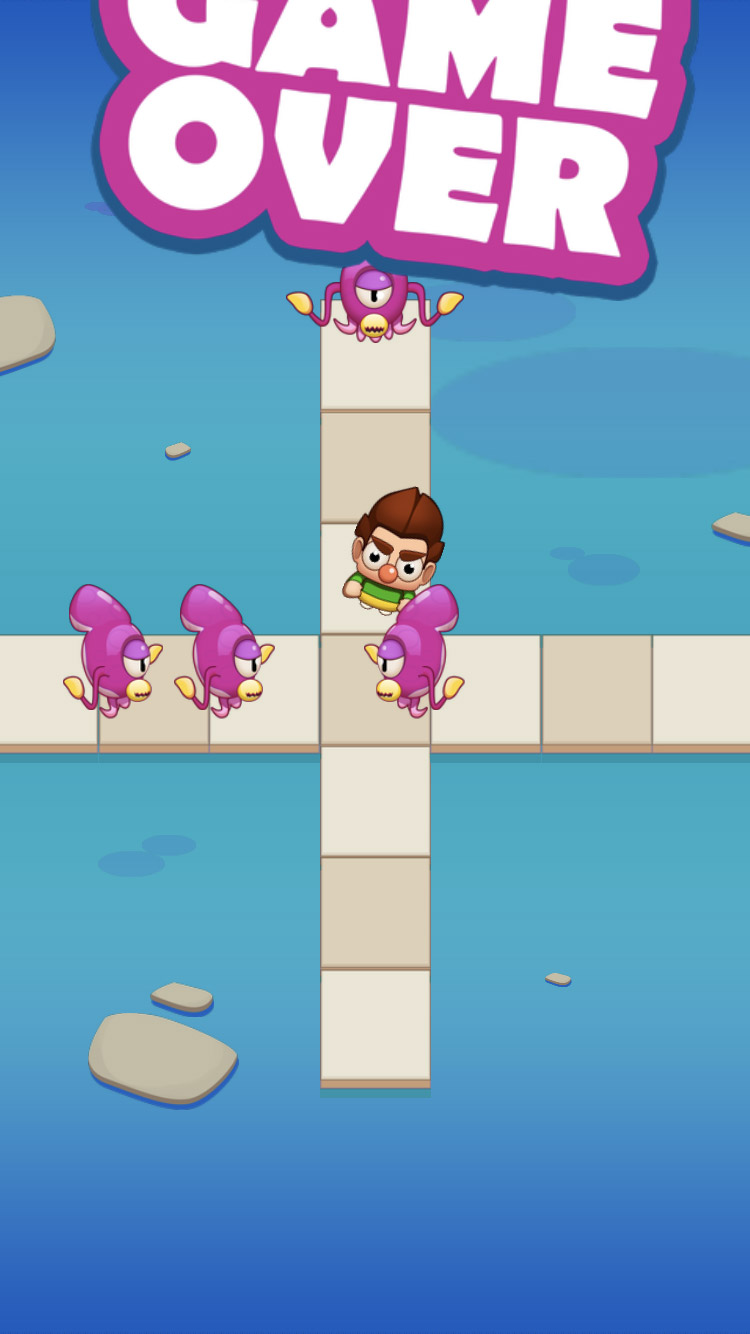
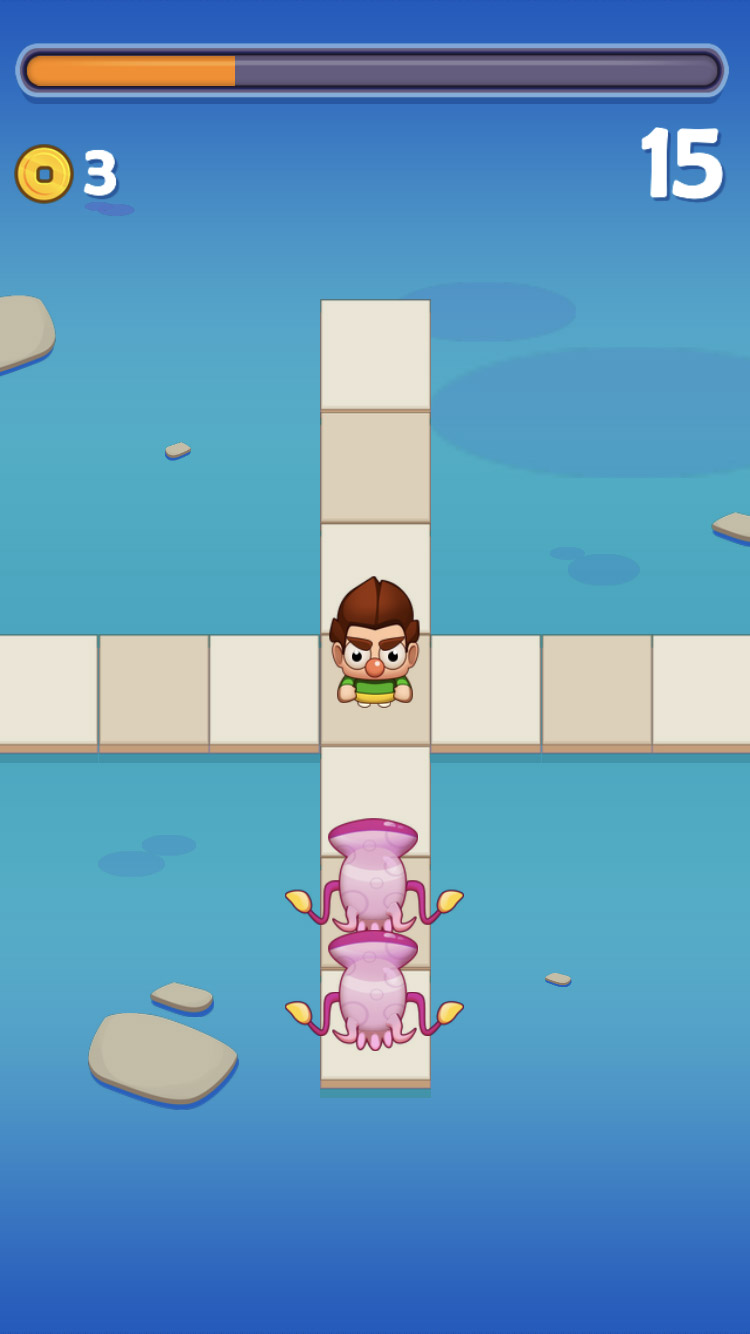
Simply another clone of Fist of Fury. I really liked the game’s dynamics, style, and animations. Development went smoothly and quickly, and I can’t recall any major issues during the process.
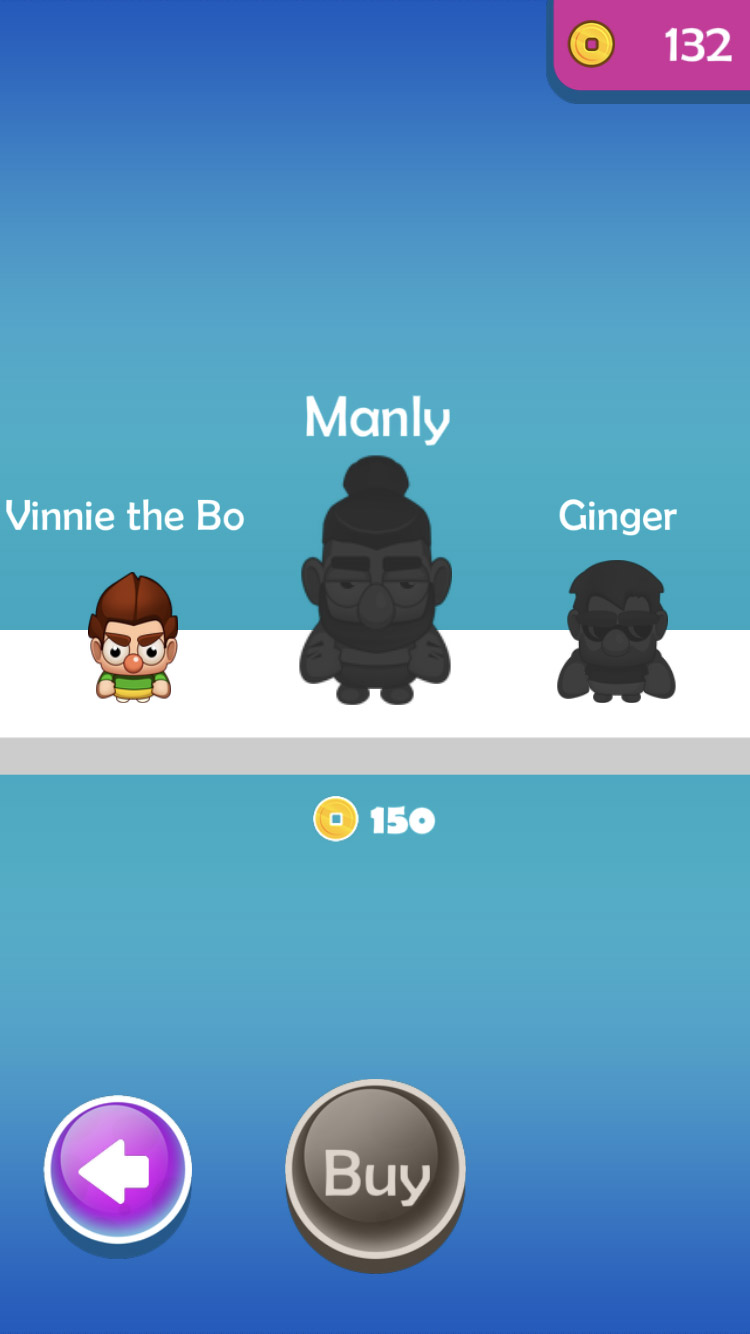
Like most of my other games, this one was created by a small team at Synesis. In-game purchases were not implemented, but the game did include ads – judging by their appearance, they were provided by Chartboost. Coins needed to unlock characters dropped randomly from defeated enemies.
or maybe Death Jump… who remembers these names anymore?
We definitely overcomplicated things – it says Hop on the icon, but Jump in the menu.
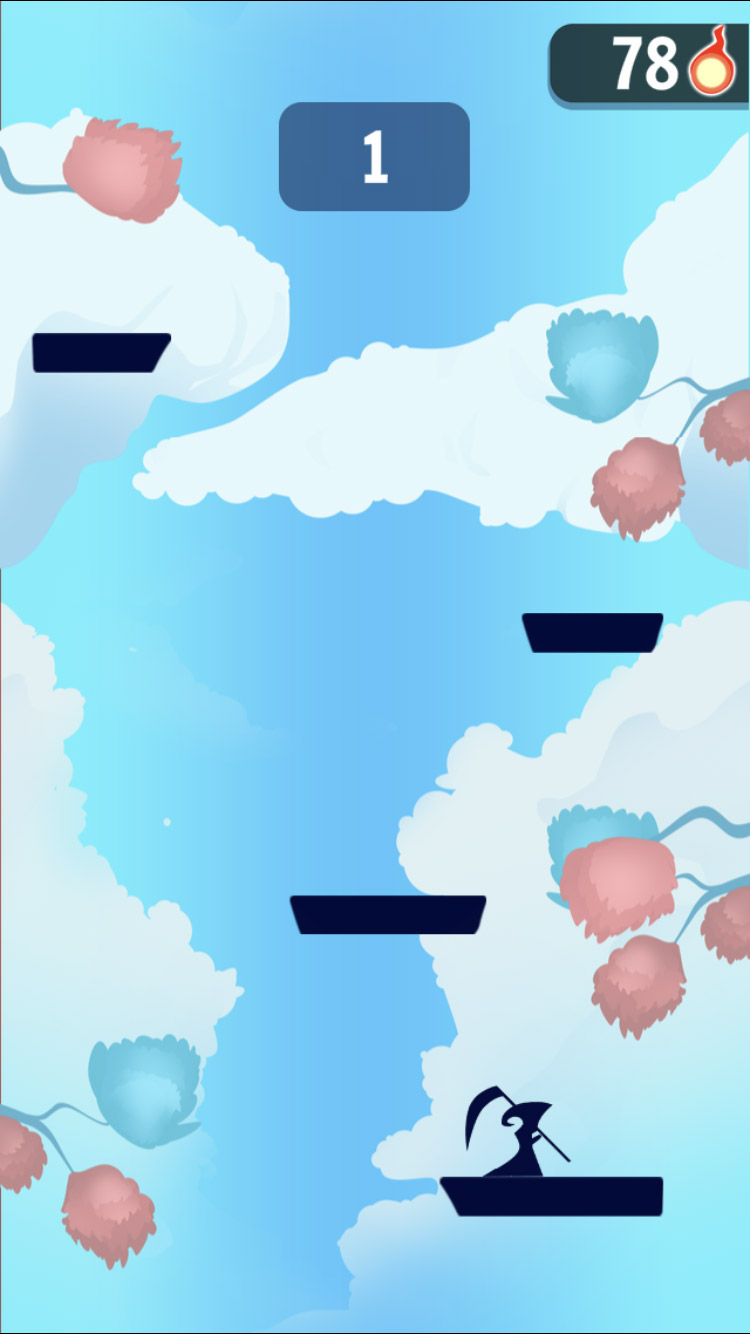
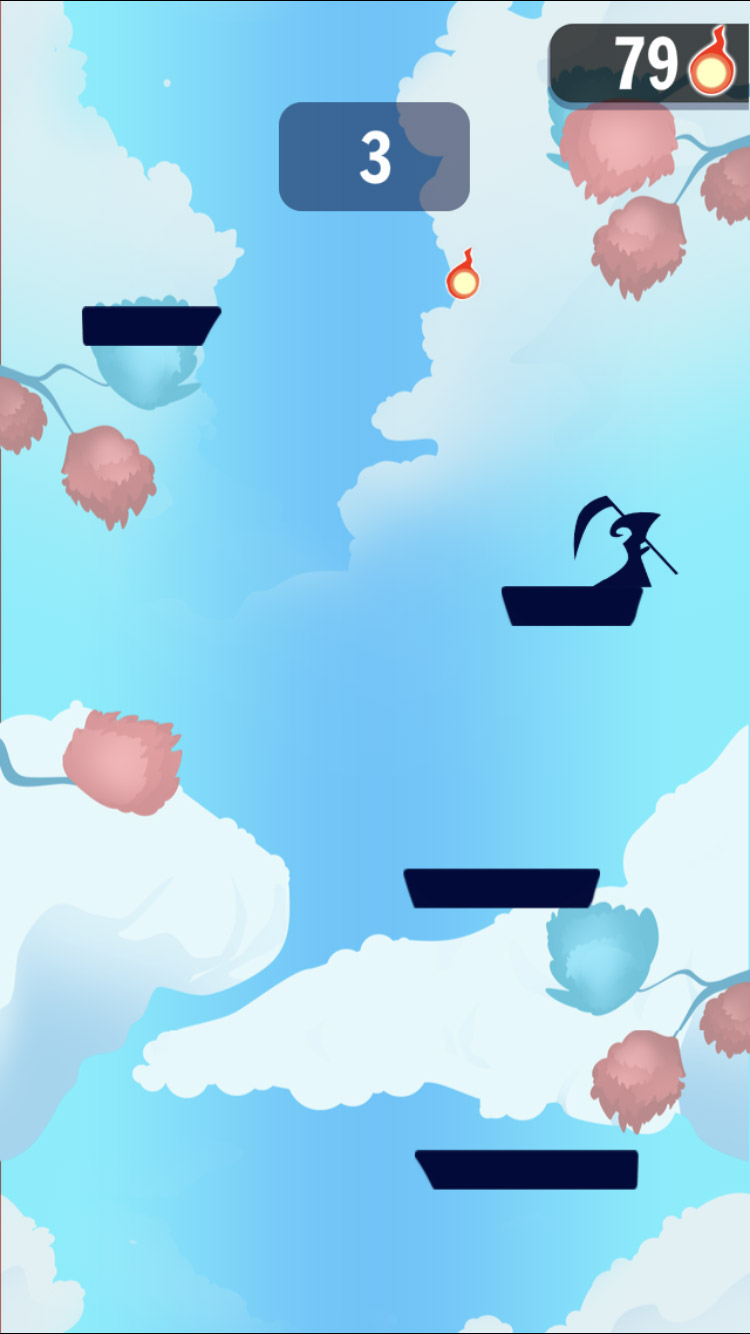
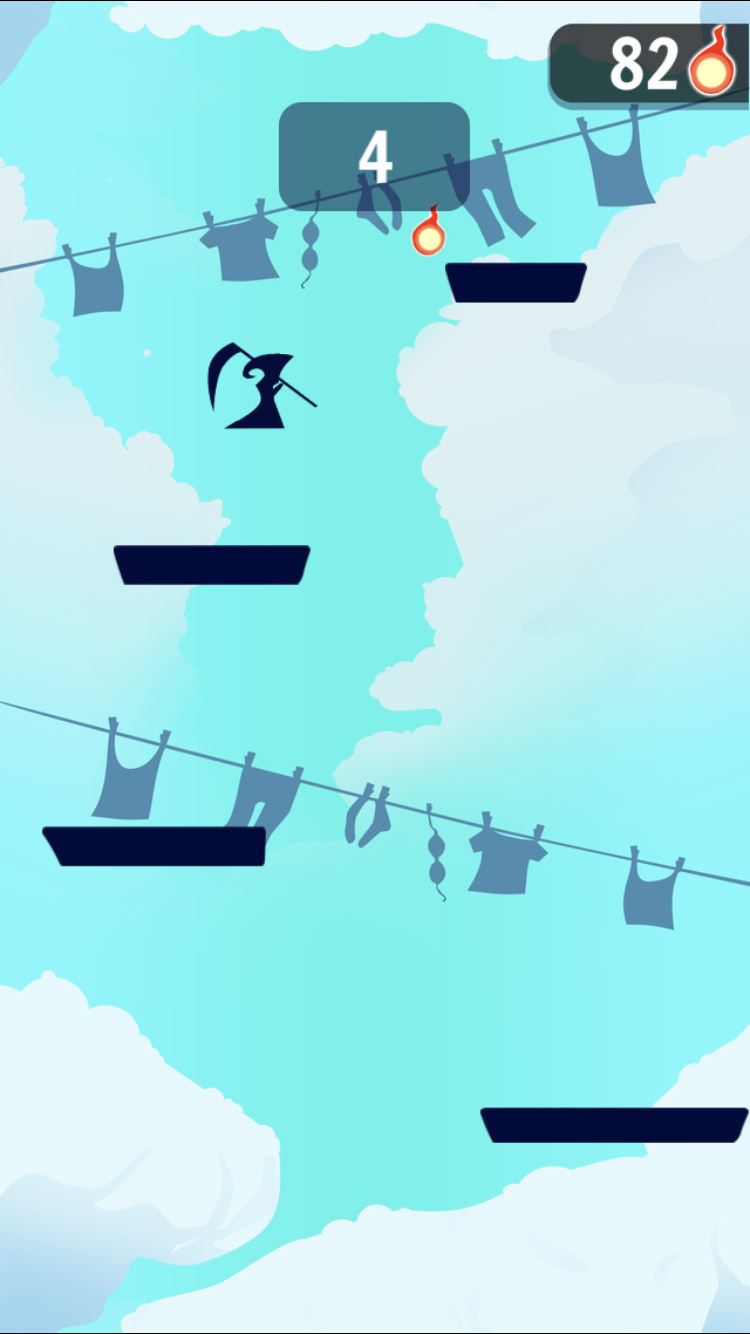
A rather interesting hyper-casual game with endless gameplay. I really liked this one – fun mechanics, a nice setting, and good animations for both the character and the platforms he hops on.
The rules are simple – you know the drill: tap the screen at the right time, collect the red-and-yellow soul orbs – they’re needed to respawn.
Both the engine and the game were written in C++. It was made by a small team at Synesis. If I remember correctly, there were no real difficulties during development – everything went smoothly and quickly. That’s how it usually goes when you actually like the game you’re making.
By the way, this game would have worked perfectly on Android TV and Apple TV in landscape orientation. I’m pretty sure I even created builds for tvOS and Android TV at some point.
It seems the game now only survives on my iPhone and Android devices.
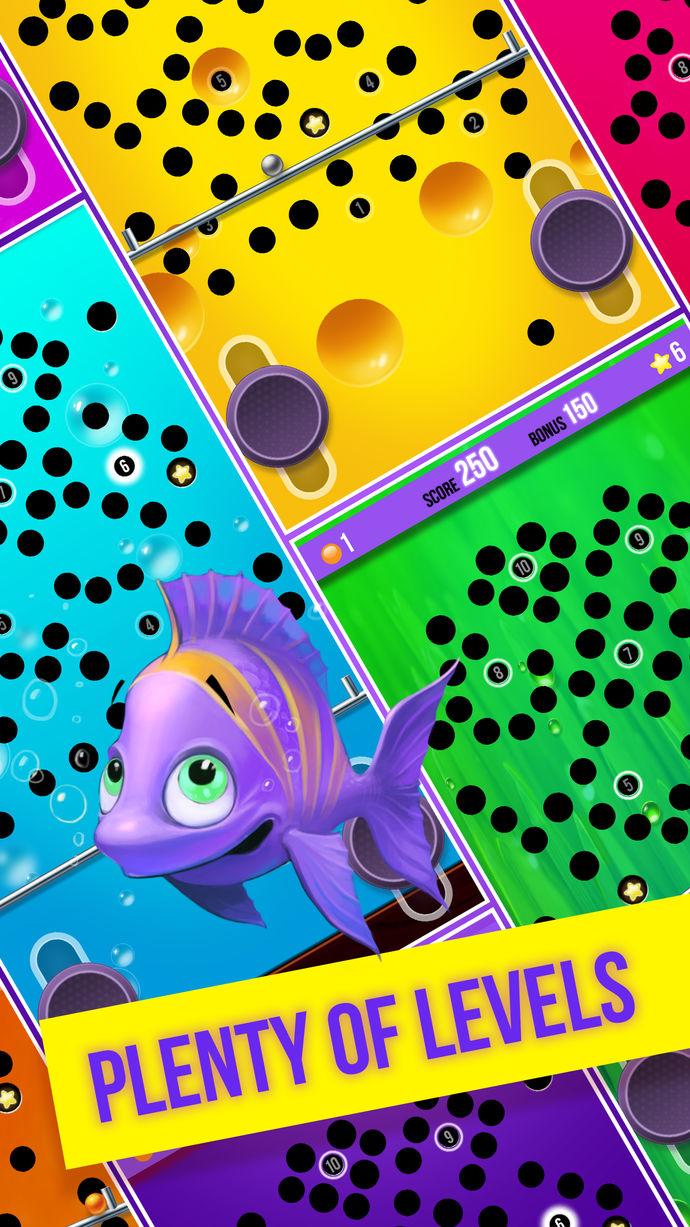
Another classic arcade-style game inspired by bar machines often found in pubs to entertain tipsy visitors.
The original arcade game – Ice Cold Beer, developed by the well-known Japanese company Taito in 1983, served as the main source of inspiration.
The player’s goal is to roll a ball into a specific hole on the playfield. To do this, the player controls a horizontal bar holding the ball using two levers connected to the edges of the bar. Tilting the bar left or right allows the player to guide the ball to the desired location.
This was one of the last games I developed together with a great team at Synesis.
The game was built on a new, reworked engine, which fixed issues from the previous version and introduced an updated API. Box2D was used for physics simulation, although it wasn’t strictly necessary given the simplicity of the gameplay.
I also created a test build for Android TV and Apple TV, designed for gamepads with dual analog sticks. Unfortunately, such controllers are quite rare on these platforms, so the TV versions were never released.
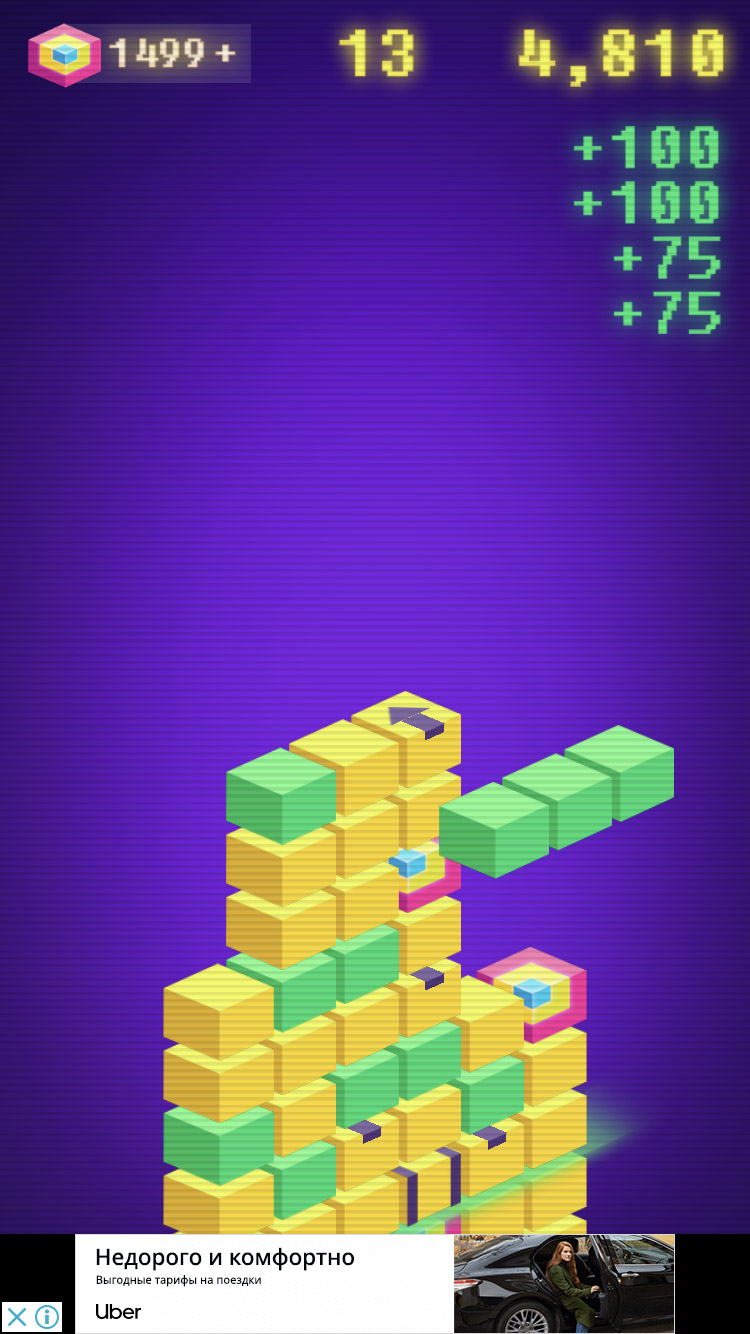
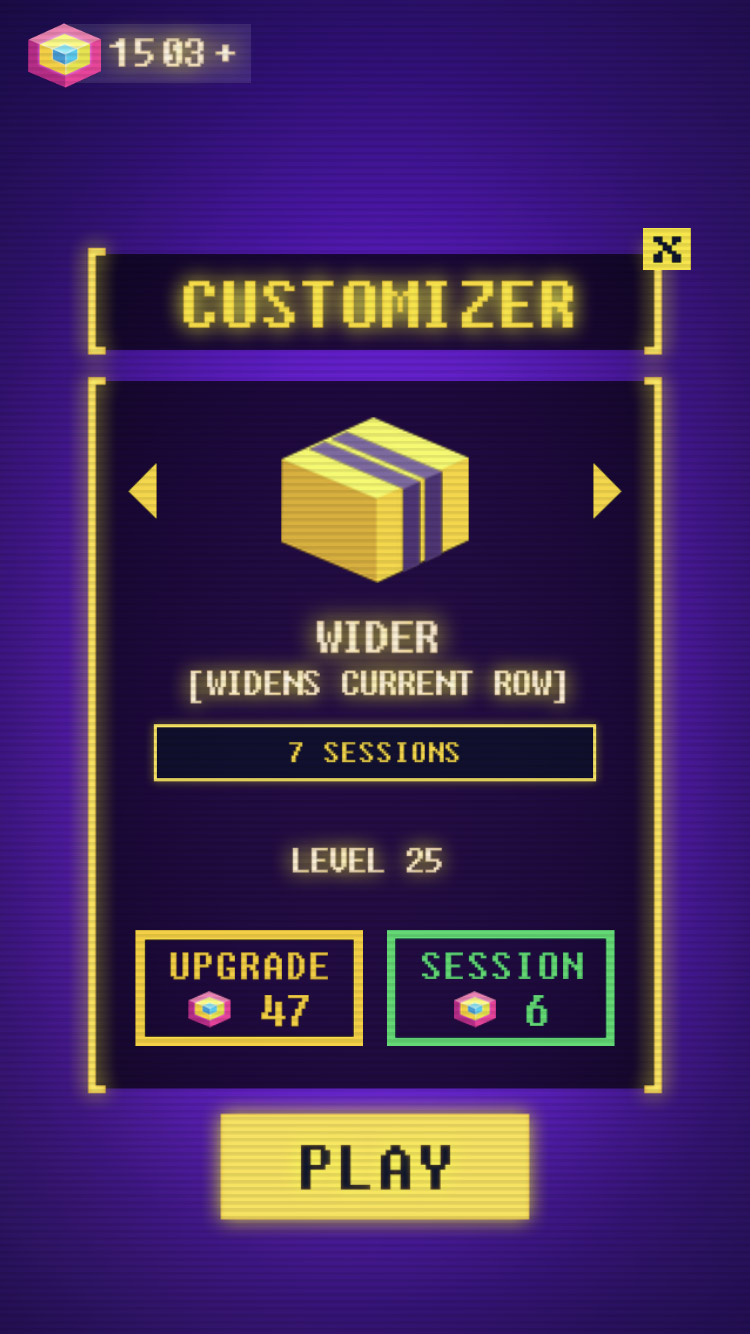
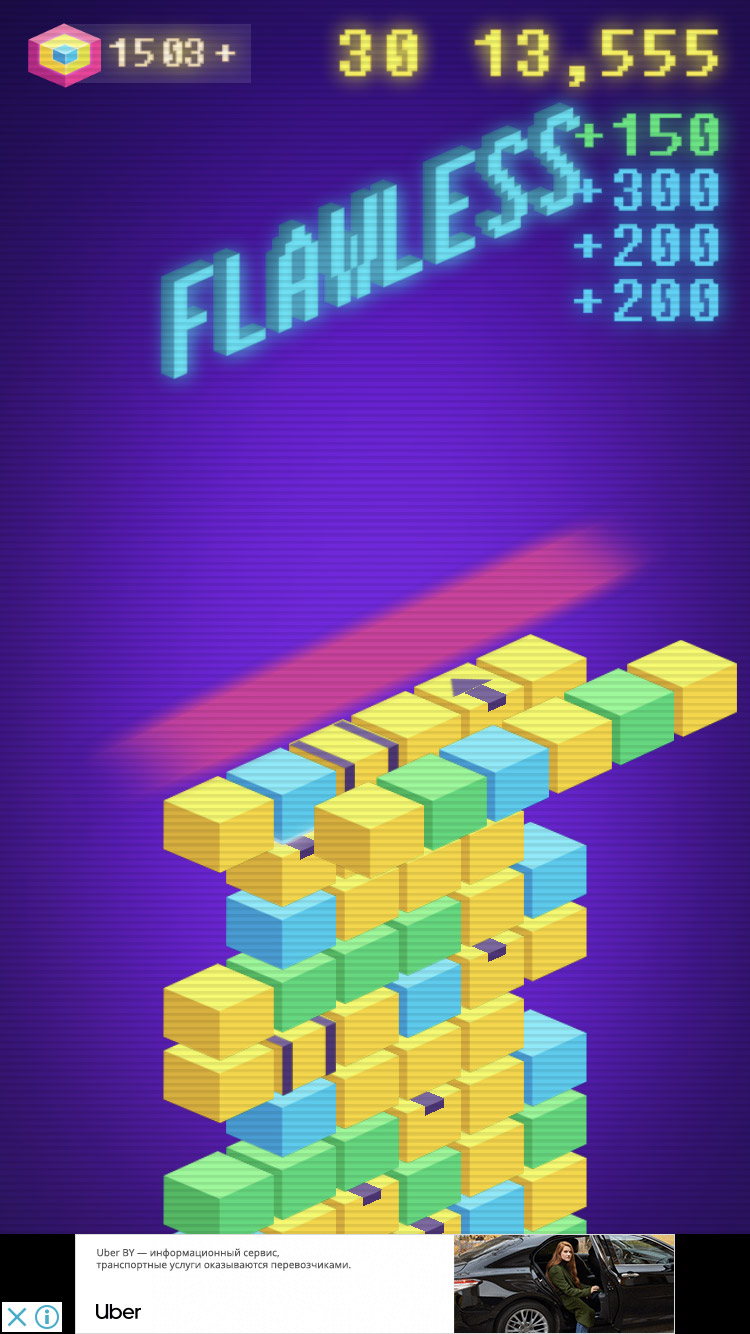
The first attempt to create a classic stacker game in an isometric projection was made at Synesis. The custom engine and game code, written in C++, allowed the game to run on multiple platforms simultaneously – Android, Android TV, iOS, and Apple TV. Development was done on macOS, so the game also ran perfectly on macOS. The engine even allowed the game to run on Windows.
This game belongs to the category of my creations that I’ve enjoyed playing for many years.
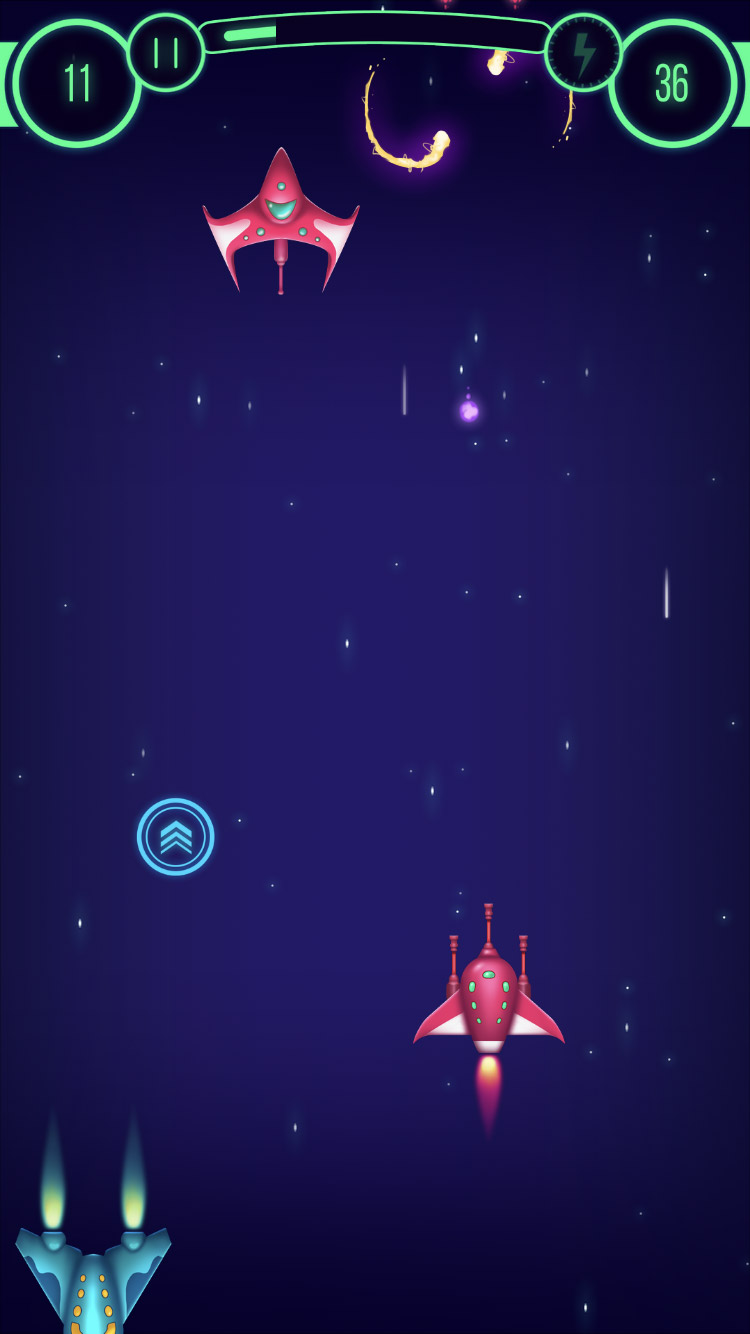
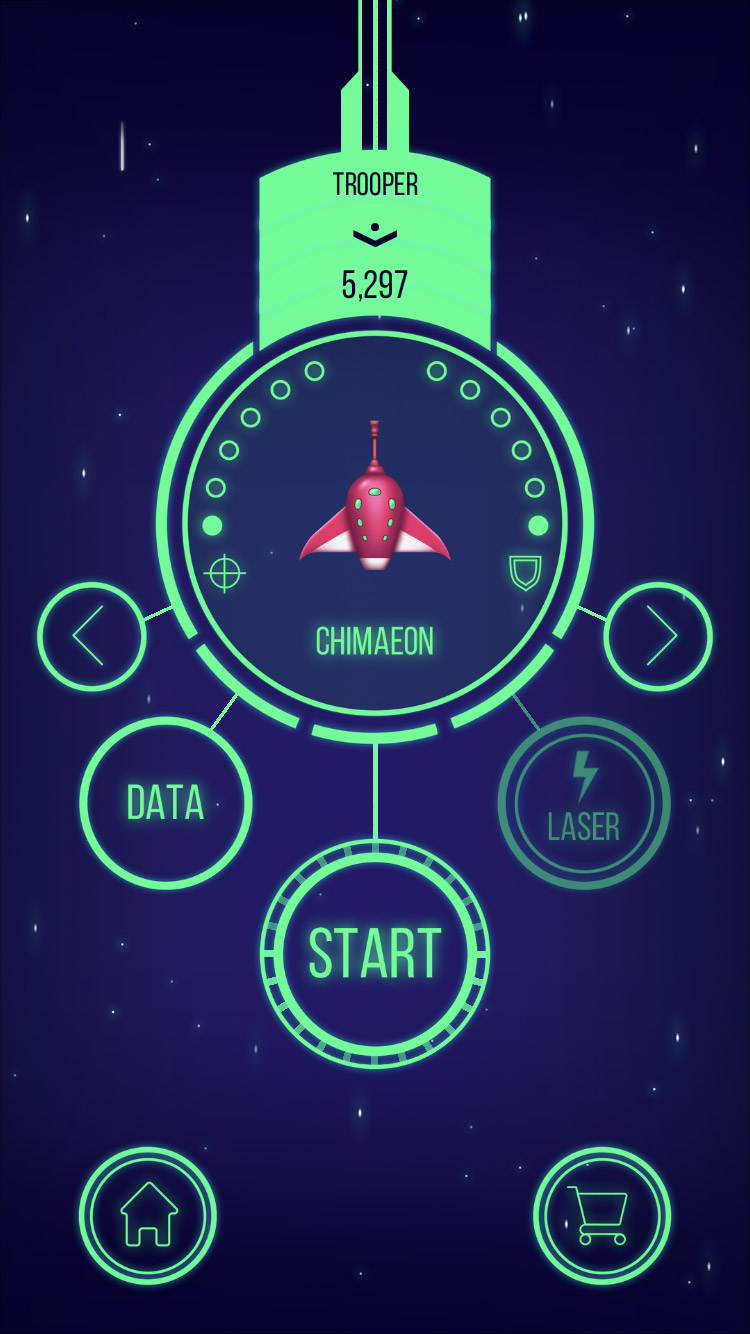
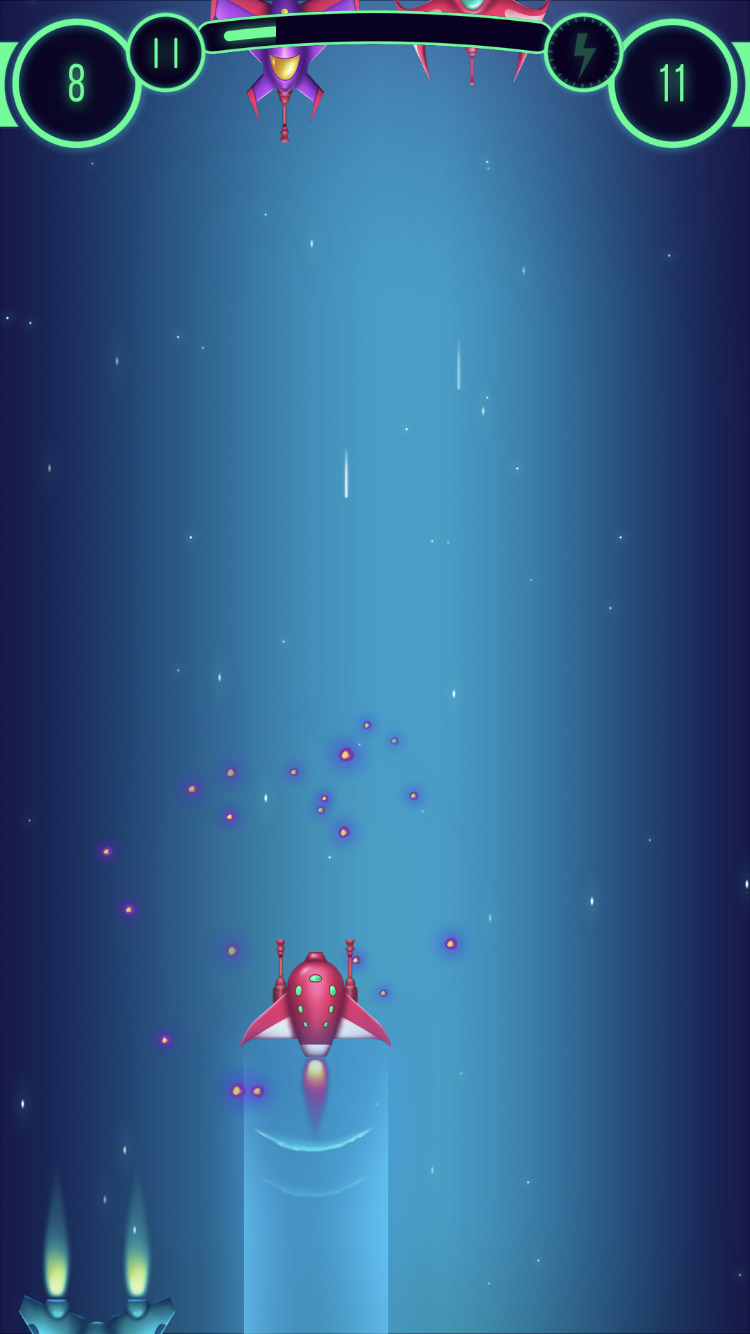
This is a space-themed endless runner. Unlike other runners, it stands out with its setting. The game features a variety of ships, each with unique characteristics.
The game was also developed at Synesis. I worked on the engine and the game code itself, while other specialists at the company handled the rest.
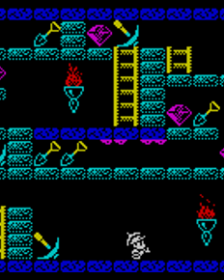
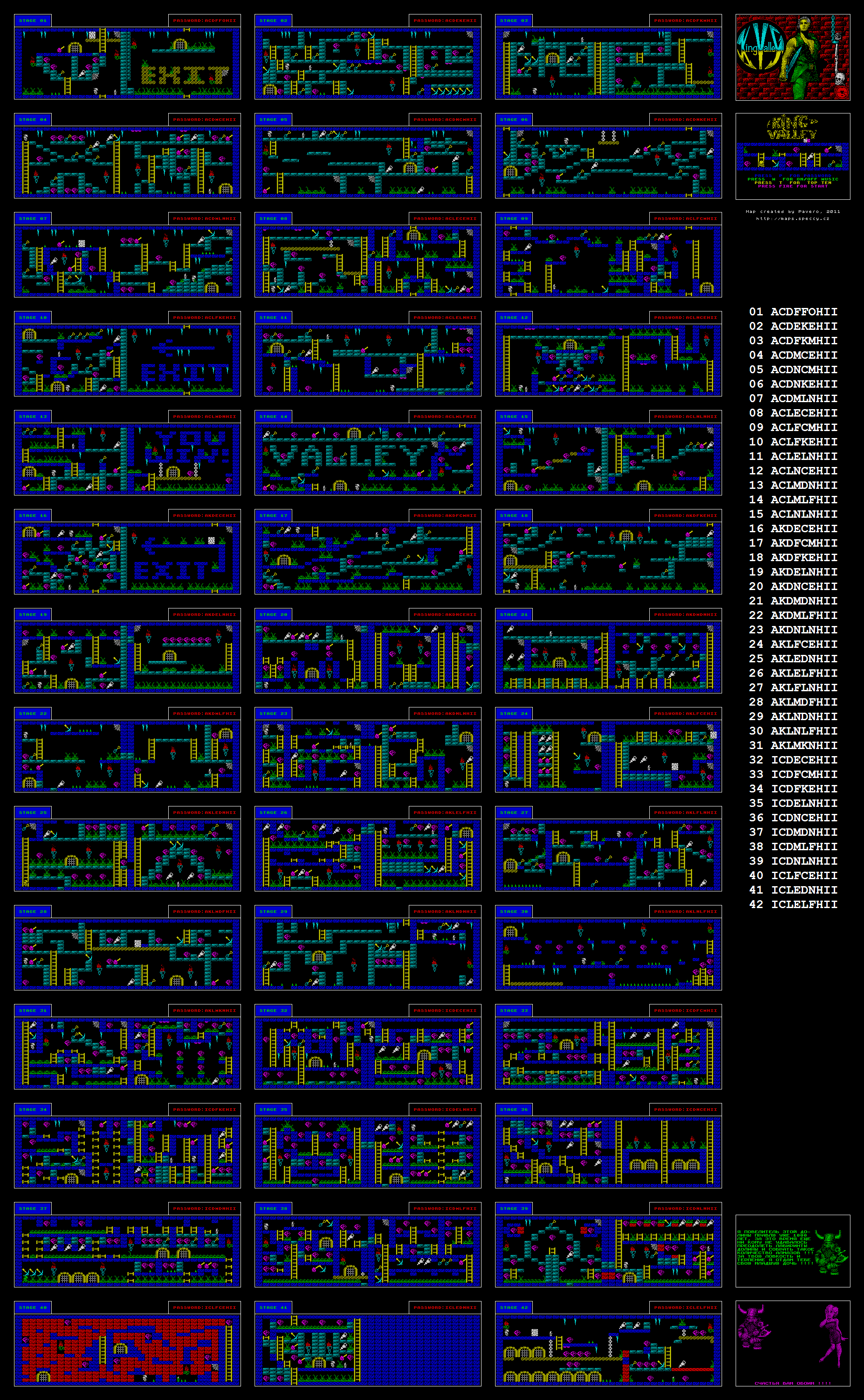
This is my version of the game King’s Valley for the ZX-Spectrum, which I wrote back in my school years. The game is not a clone of the original MSX title but rather inspired by it. The main character was copied pixel by pixel from King’s Valley 2 with the help of graph paper, a few keen eyes, and a pencil, thanks to my friend Yevgeny Yanushkevich. My brother Ilya and my friend Yevgeny also helped me design the levels. All the development of the game and its resources was done entirely on the ZX-Spectrum.
In the video, there’s quite a serious player – completing the game in just two hours.
In fact, the game turned into quite a long-term project, stretching out, if I remember correctly, for about a year. It was written right after I lost the disks with the source code of my previous game – a port of Knightmare from the MSX.
The game can be found in the World of Spectrum archive and on other sites.
Strangely enough, World of Spectrum claims that the game was released in 1994. That doesn’t quite match reality, since that was already my third year at the Academy, while I had actually written the game back in school.
To this day, I continue working on reviving the game for mobile devices (iOS, Android), TV set-top boxes (Apple TV, Android TV), desktop platforms (Linux, macOS), and the web. But I’m doing this VERY slowly – sometimes putting development aside altogether, and sometimes spending just a few hours a month on it.
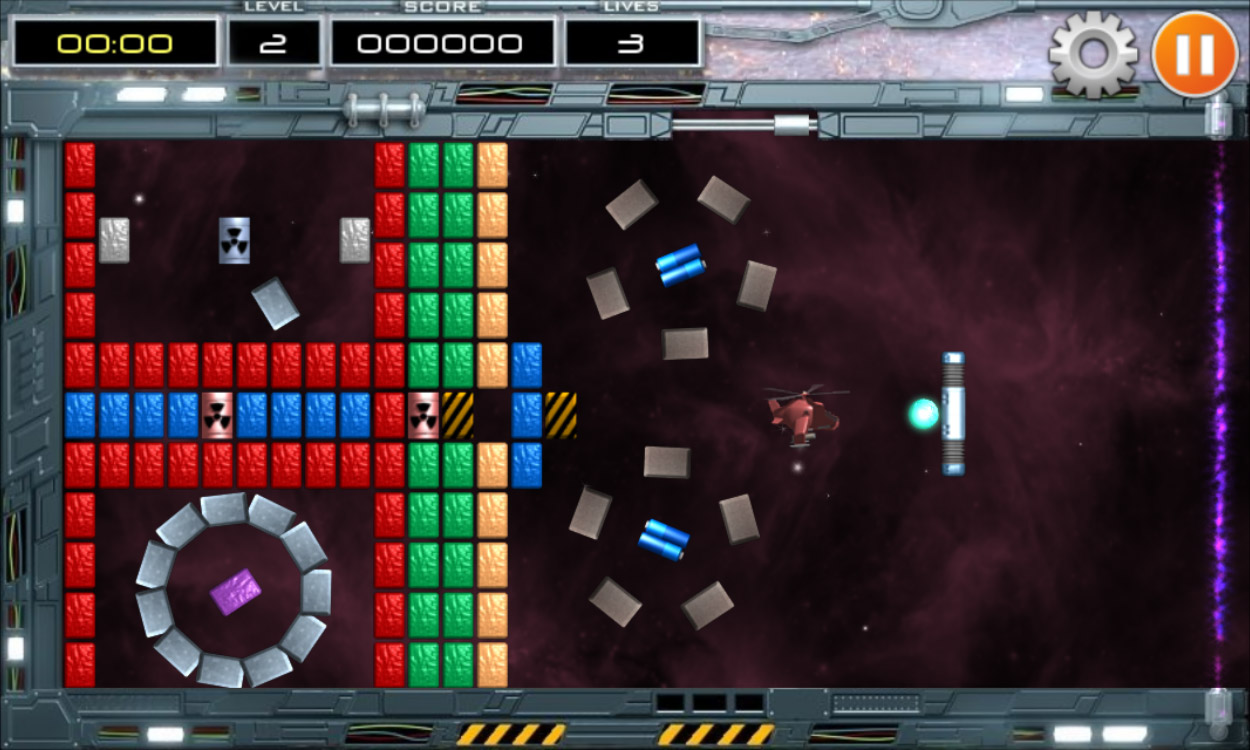
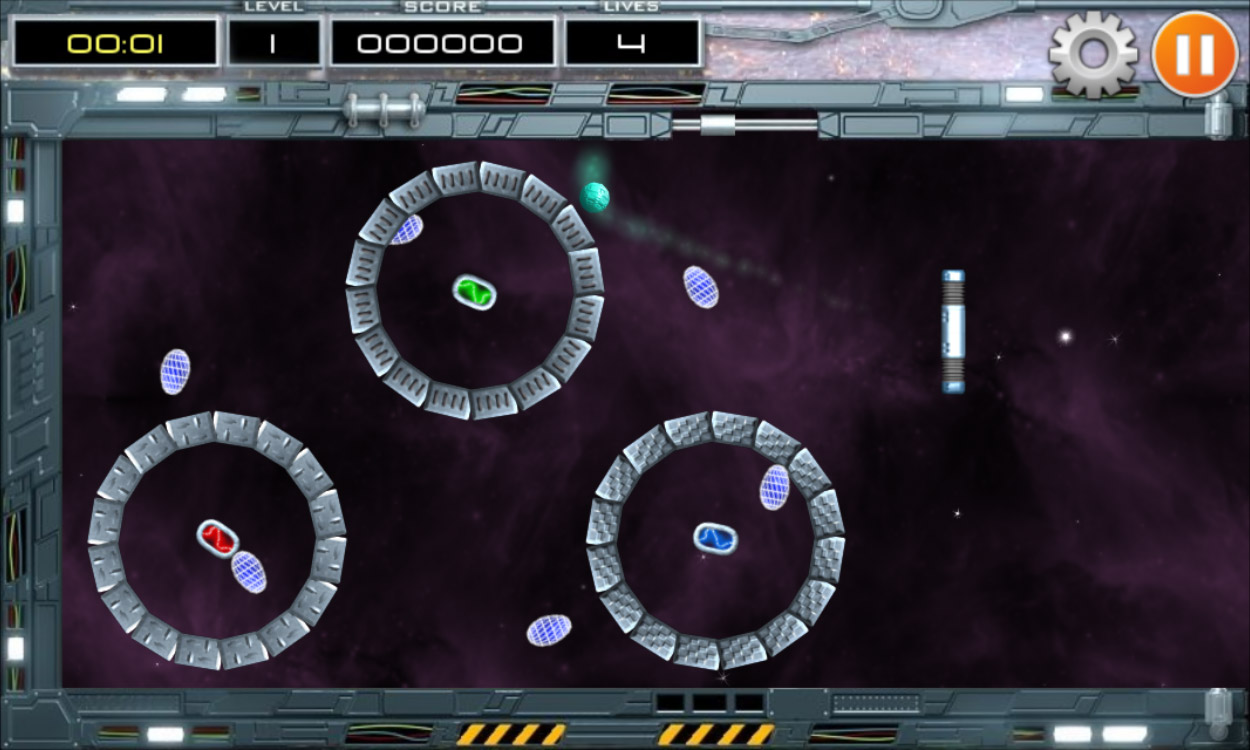
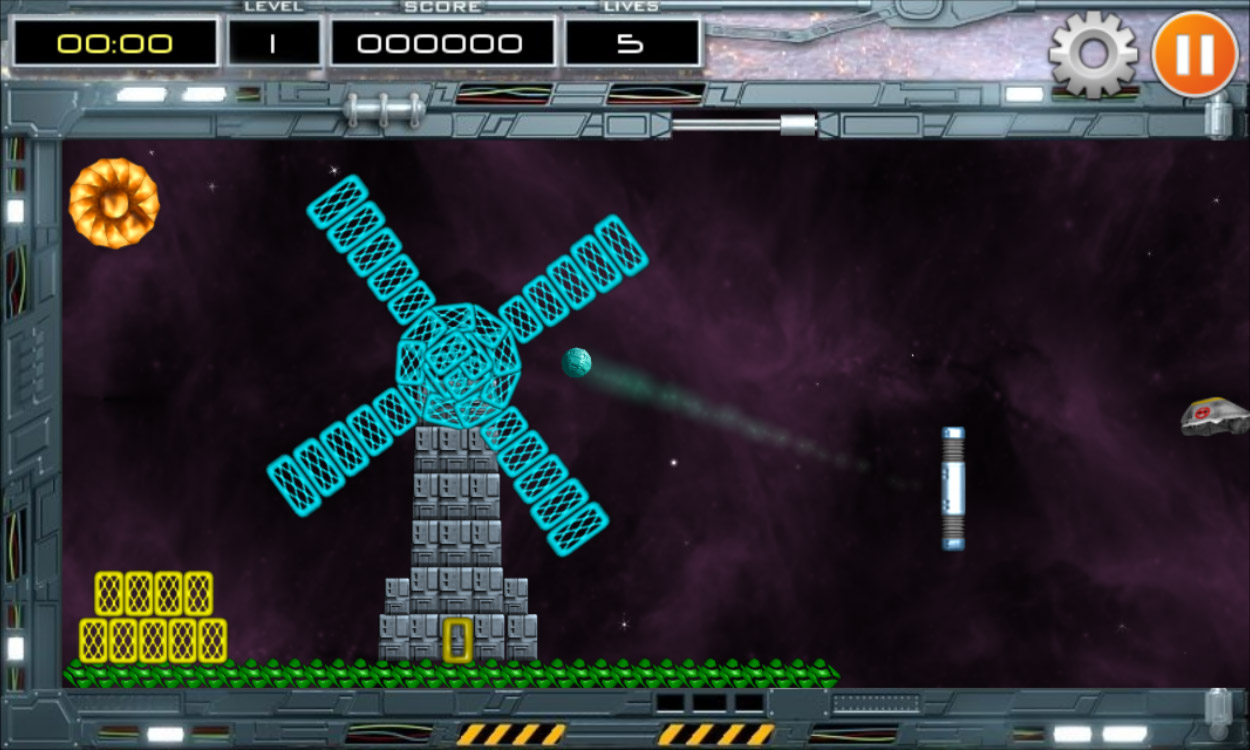
The idea was simple: “I’ll take Krakout and Arkanoid: Space Ball, quickly rework them, and release something new.” Yeah, right – wishful thinking. “Quickly” didn’t happen for several reasons: the old game code was useless, and even looking at it hurt my eyes; plus, the plan was to use a new (for that time) version of the engine and replace my old simplified math with the Box2D physics engine.
So the old projects “voluntarily shared” only some assets and ideas – the game itself was written entirely from scratch. Levels in the game were grouped into worlds – there were 10 worlds in total, each containing between 10 and 40 levels. To save time, some worlds were copied from previous games. But several levels and even entire worlds were newly designed. Different people worked on different levels and worlds.
Because the game’s levels were meant to be dynamic, an external editor was created for building episode worlds. Level data was stored in XML, describing object types, appearance, behavior, and durability. The editor worked with object groups – for example, a circular trajectory with radii R1 and R2, rotation speed and direction, and the number and type of objects on it. When loading a level, each object became independent in the game while still visually belonging to its group.
Krakoid on the OUYA TV console
Target platforms were iOS, Android, Android TV, OUYA, Linux, macOS, and Windows. Both the game and the engine were written in C++. Development was done under Linux, in my favorite editor – VIM.
At one point, a publisher from China requested the game. I had to implement special, localized payment methods. The tricky part was that each mobile operator had its own SDK for different payment systems. It was impossible to test integrations locally, so I had to rely on sparse documentation and my own experience. I don’t remember how long it took to implement all the payment options, but the work was eventually completed. A special build of the game was sent to the publisher for testing – after which the publisher disappeared.
And that wasn’t the first publisher to vanish after receiving a build.
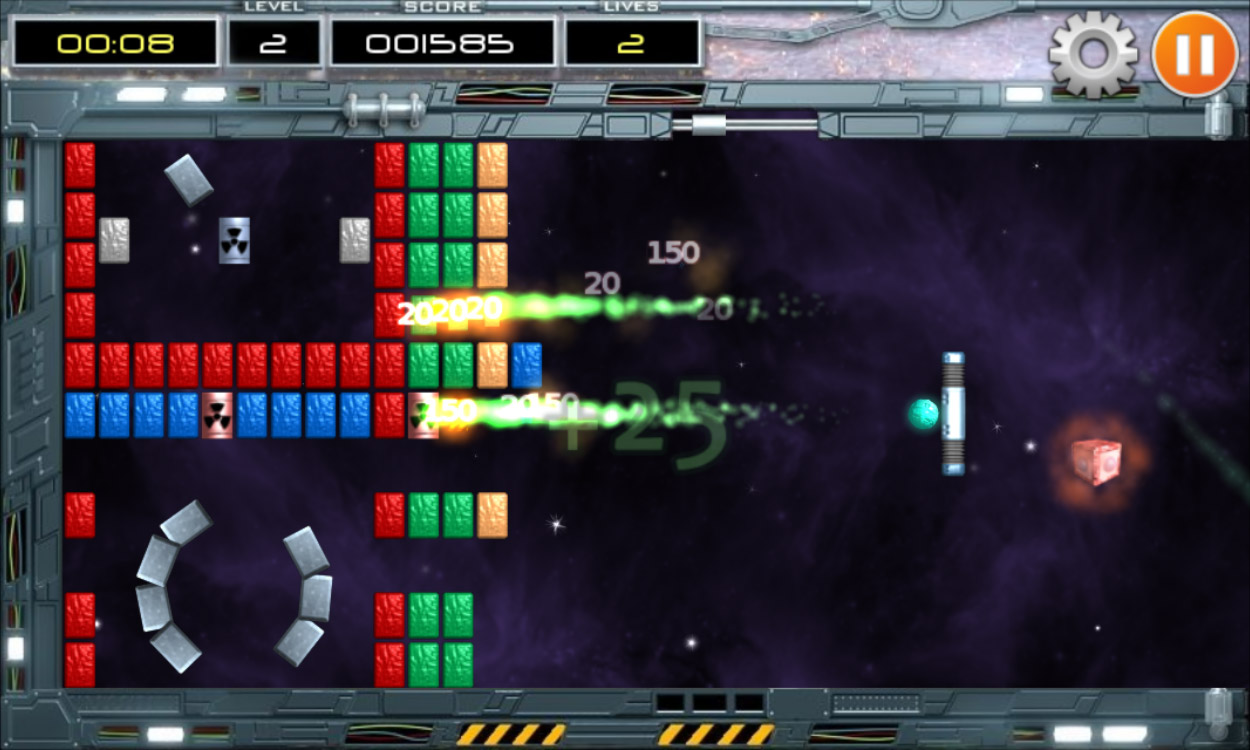
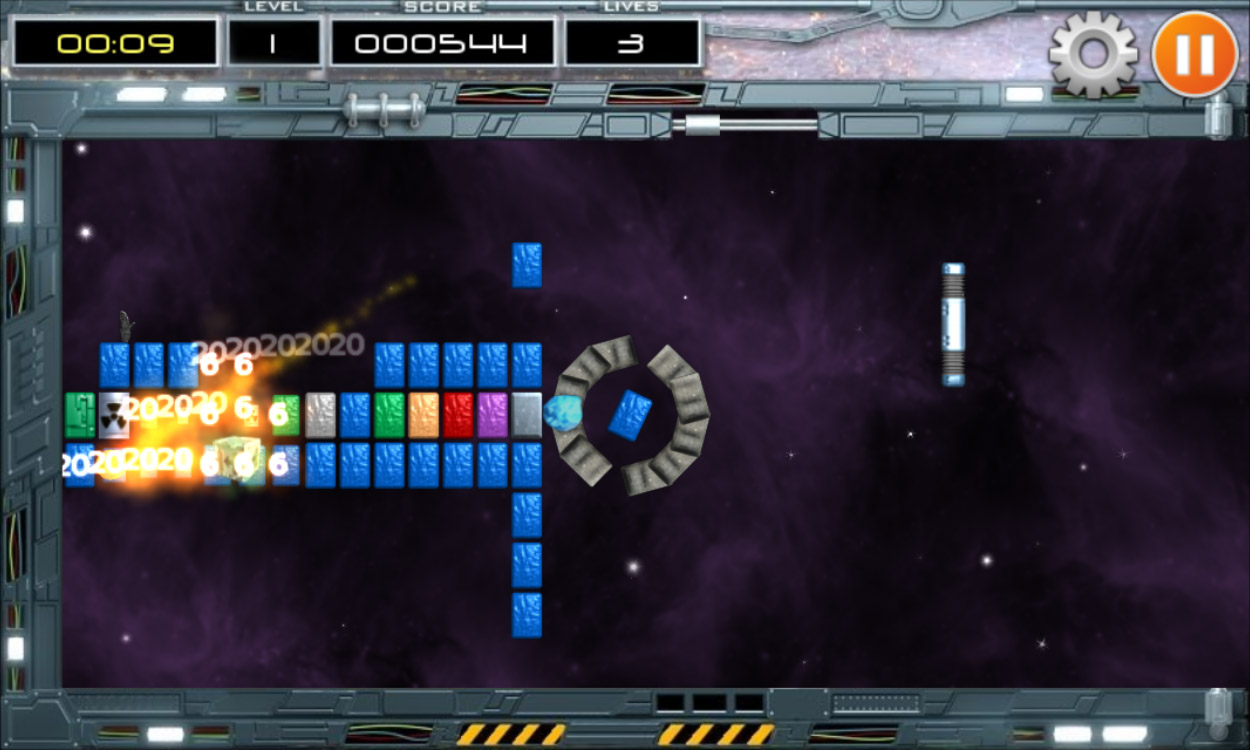
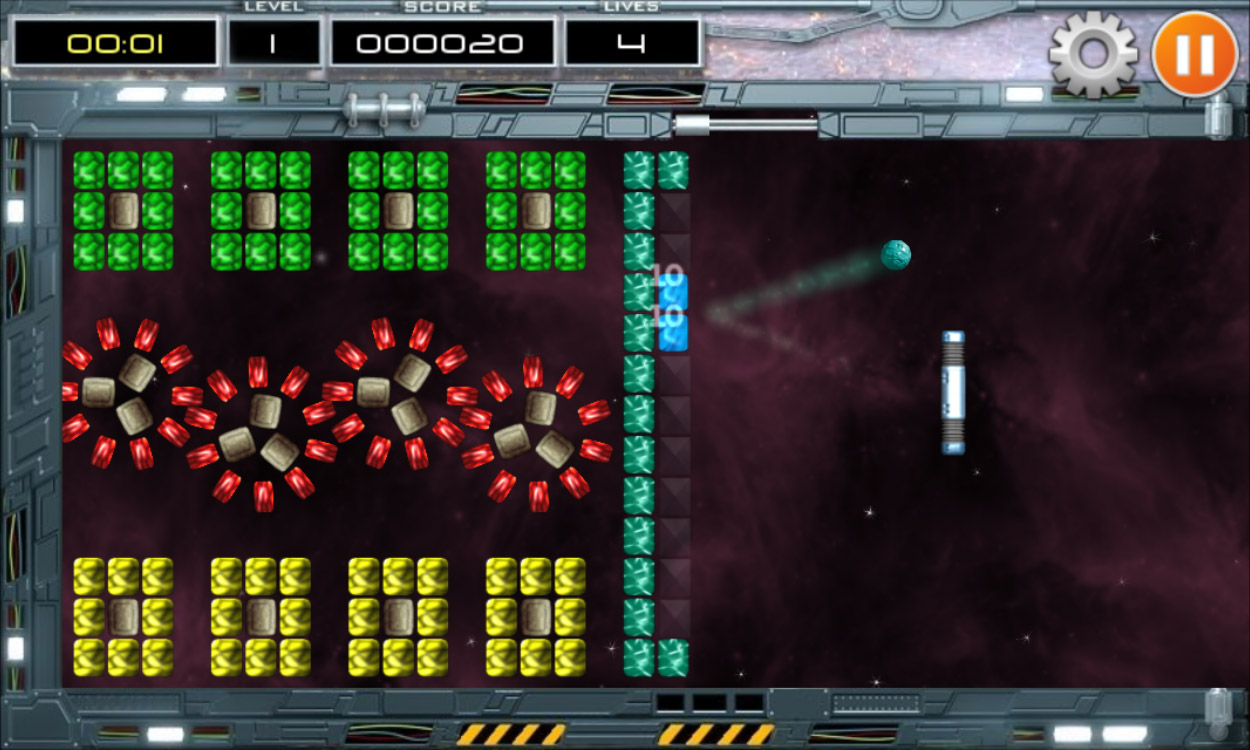
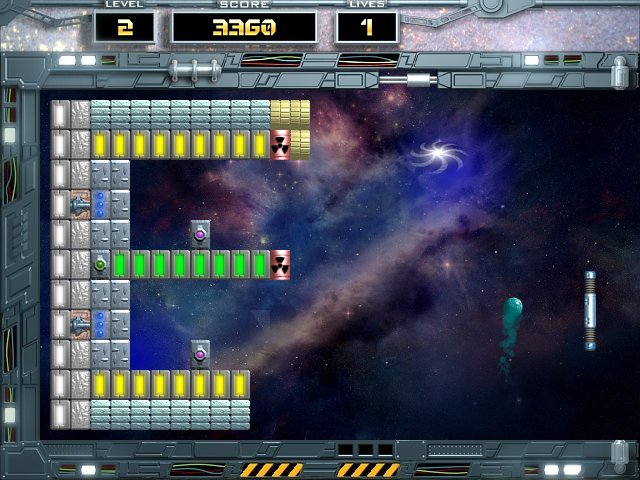
Arkanoid: Space Ball will be a surprise for the amateurs of unusual and picturesque games as Arkanoid and space games. Everybody who wishes to spend time perfectly will take a pleasure in Arkanoid: Space Ball too. A futuristic atmosphere, modern techno-style graphics, a dynamical gameplay and an excellent soundtrack give this game as a present for all Arkanoid’s admirers.
You have to clear a lot of platforms-levels soaring in space, and meteorites, spacecrafts and guns of enemies constantly will be threatened your life. Numerous bonuses dropped out from the broken blocks will help you to pass all obstacles: the laser, the rocket launcher, force fields and many other things. Game is distinguished by the features interesting and unusual for classical Arkanoid: horizontally oriented break block formation, moving and shooting bricks, Gravitational anomalies effects to flights of the balls and missiles, etc. In short, whether you are a teenager, student, parent or grandparent, you will instantly fall in love with this exciting game.
Main features
Level generator – non stop gameplay
Level editor – create your own worlds
2 modes to play – usual arcade mode and krakout mode
Original bonuses and power-ups – use it carrefuly
Unusual space objects – we are in space, who know what come
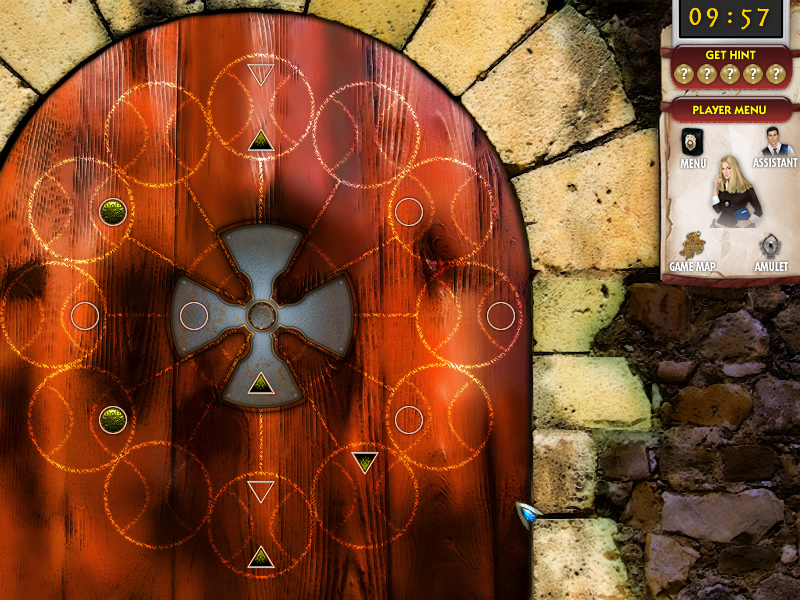
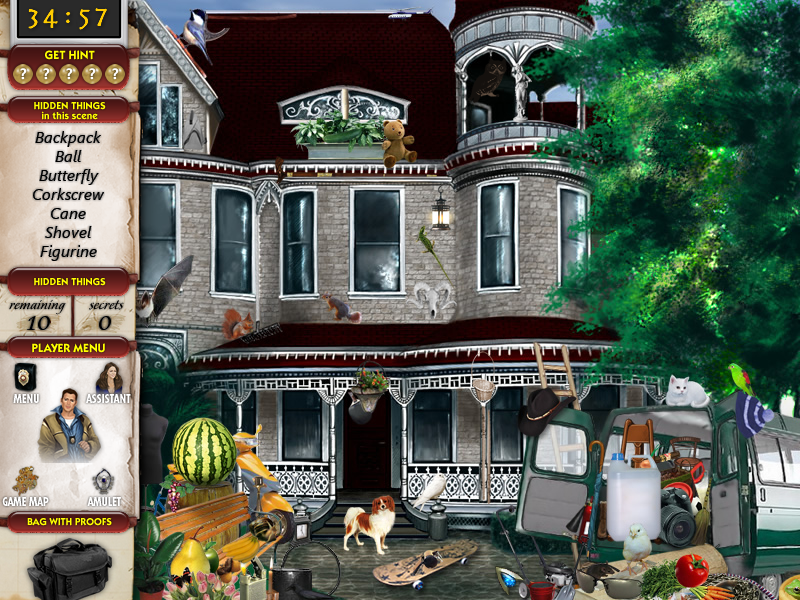
A hidden-object game with a mystical yet detective-style story. The player must move between the real and mystical worlds to solve various tasks.
The game features a range of logic and arcade mini-games. The game was developed on a modified HGE engine using SDL libraries. Target platforms were Windows and macOS, while development was carried out on Linux. Versions for Windows and macOS were sent to publishers, but the Linux version remained on the development computer.
For a time, Between the Worlds was at the top of iWin’s publisher charts.
If memory serves, the game was released in 2008.
Manage Consent
To provide the best experiences, we use technologies like cookies to store and/or access device information. Consenting to these technologies will allow us to process data such as browsing behavior or unique IDs on this site. Not consenting or withdrawing consent, may adversely affect certain features and functions.
Functional
Always active
The technical storage or access is strictly necessary for the legitimate purpose of enabling the use of a specific service explicitly requested by the subscriber or user, or for the sole purpose of carrying out the transmission of a communication over an electronic communications network.
Preferences
The technical storage or access is necessary for the legitimate purpose of storing preferences that are not requested by the subscriber or user.
Statistics
The technical storage or access that is used exclusively for statistical purposes.The technical storage or access that is used exclusively for anonymous statistical purposes. Without a subpoena, voluntary compliance on the part of your Internet Service Provider, or additional records from a third party, information stored or retrieved for this purpose alone cannot usually be used to identify you.
Marketing
The technical storage or access is required to create user profiles to send advertising, or to track the user on a website or across several websites for similar marketing purposes.