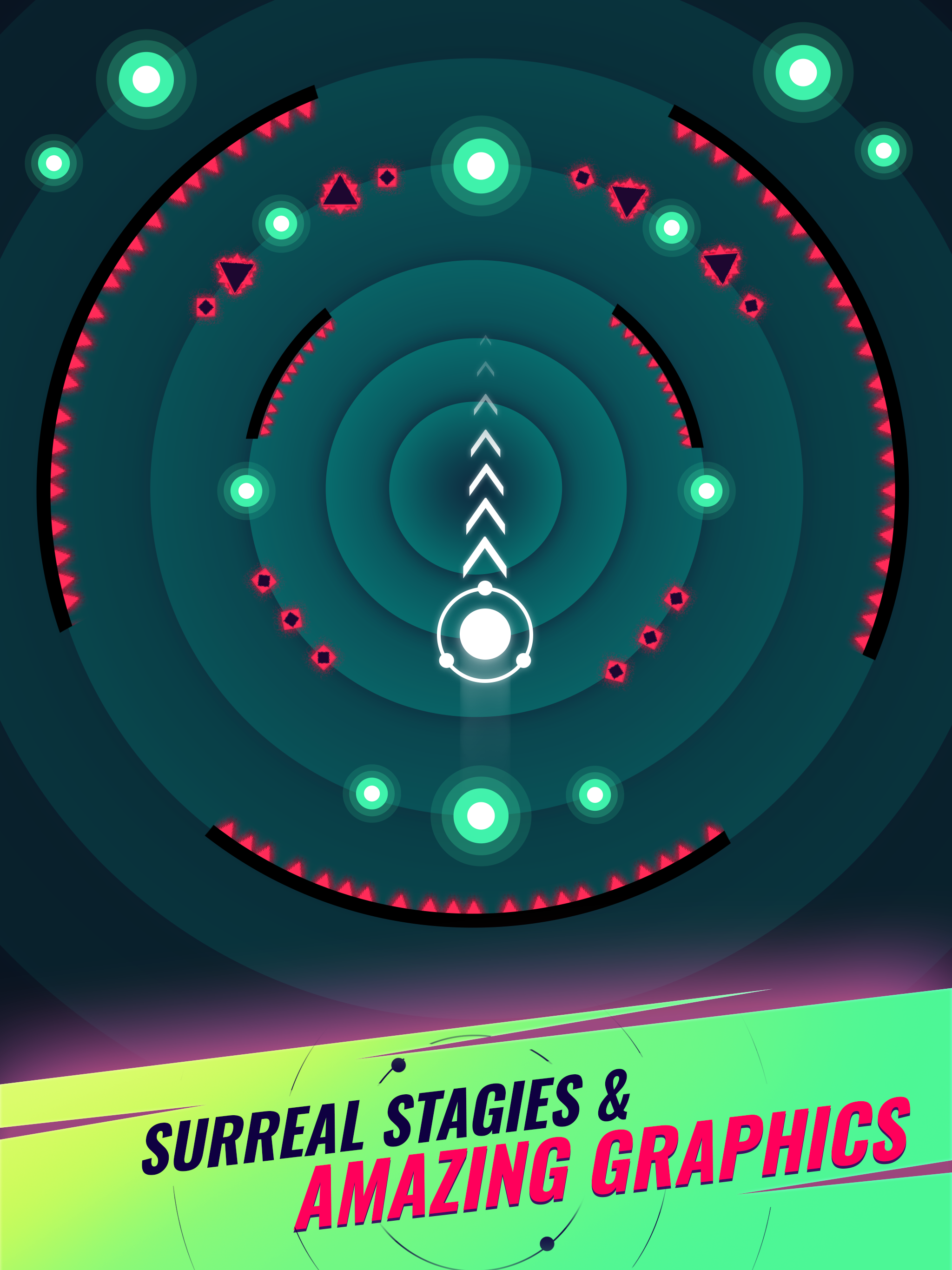
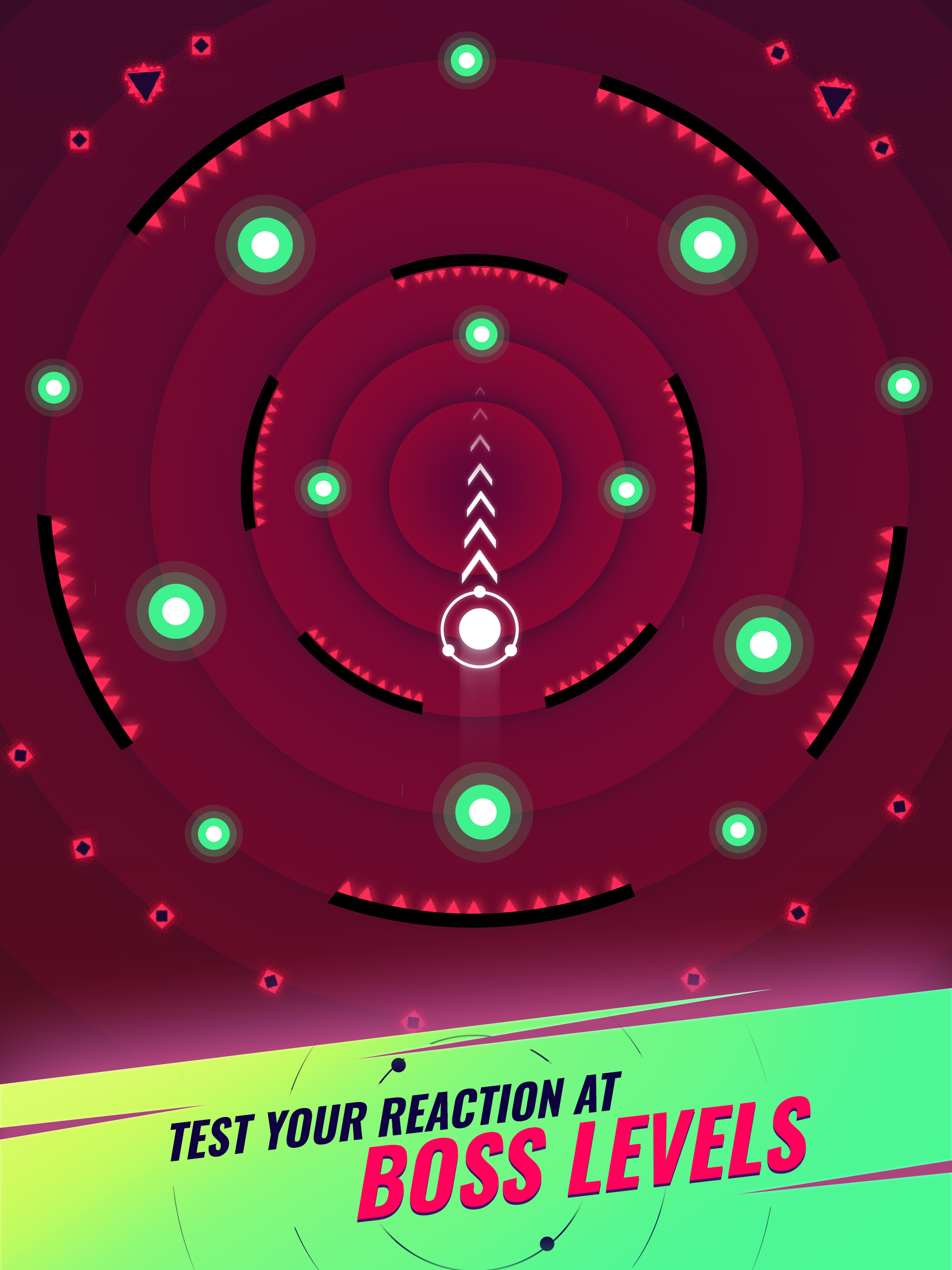
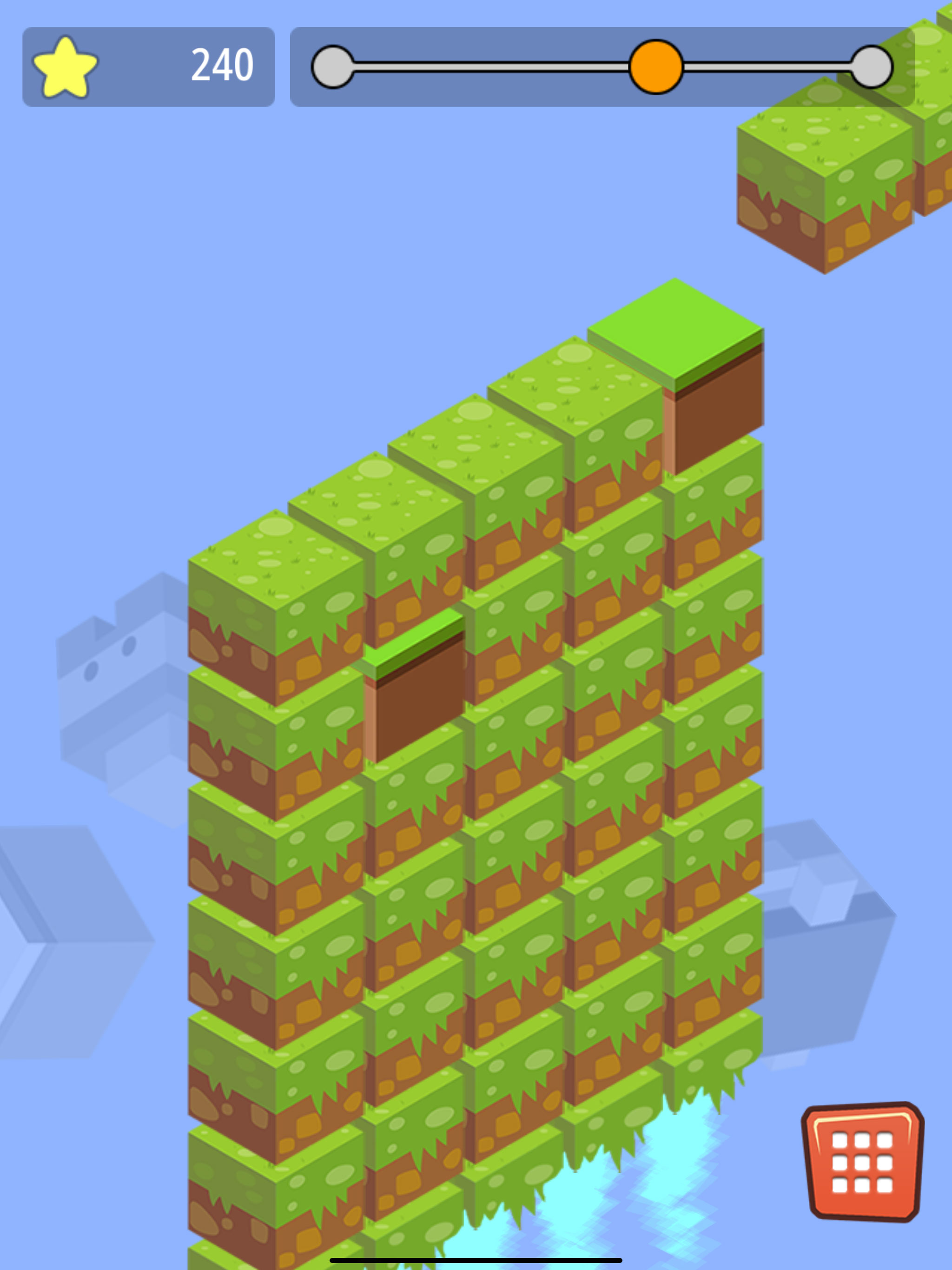
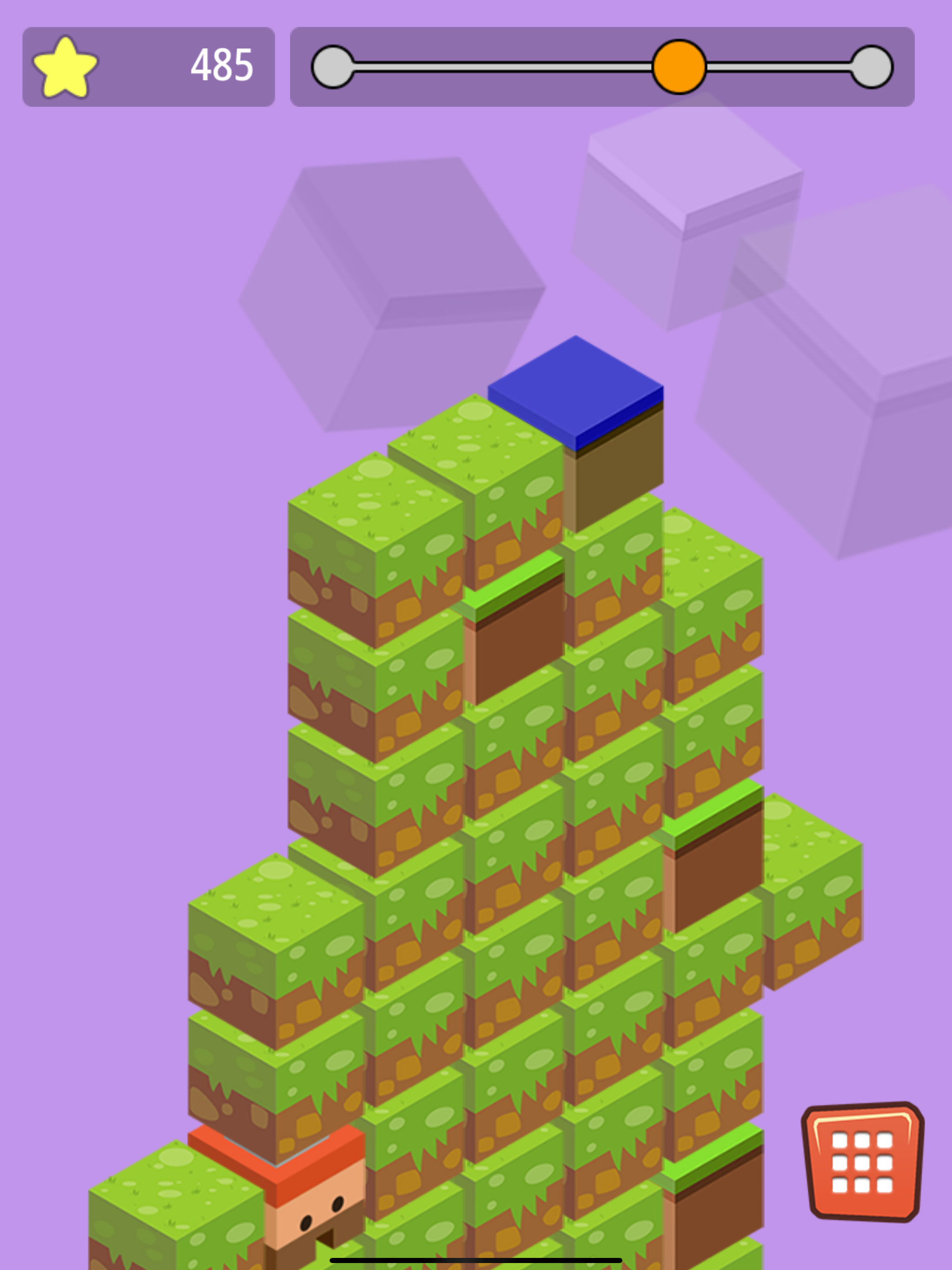
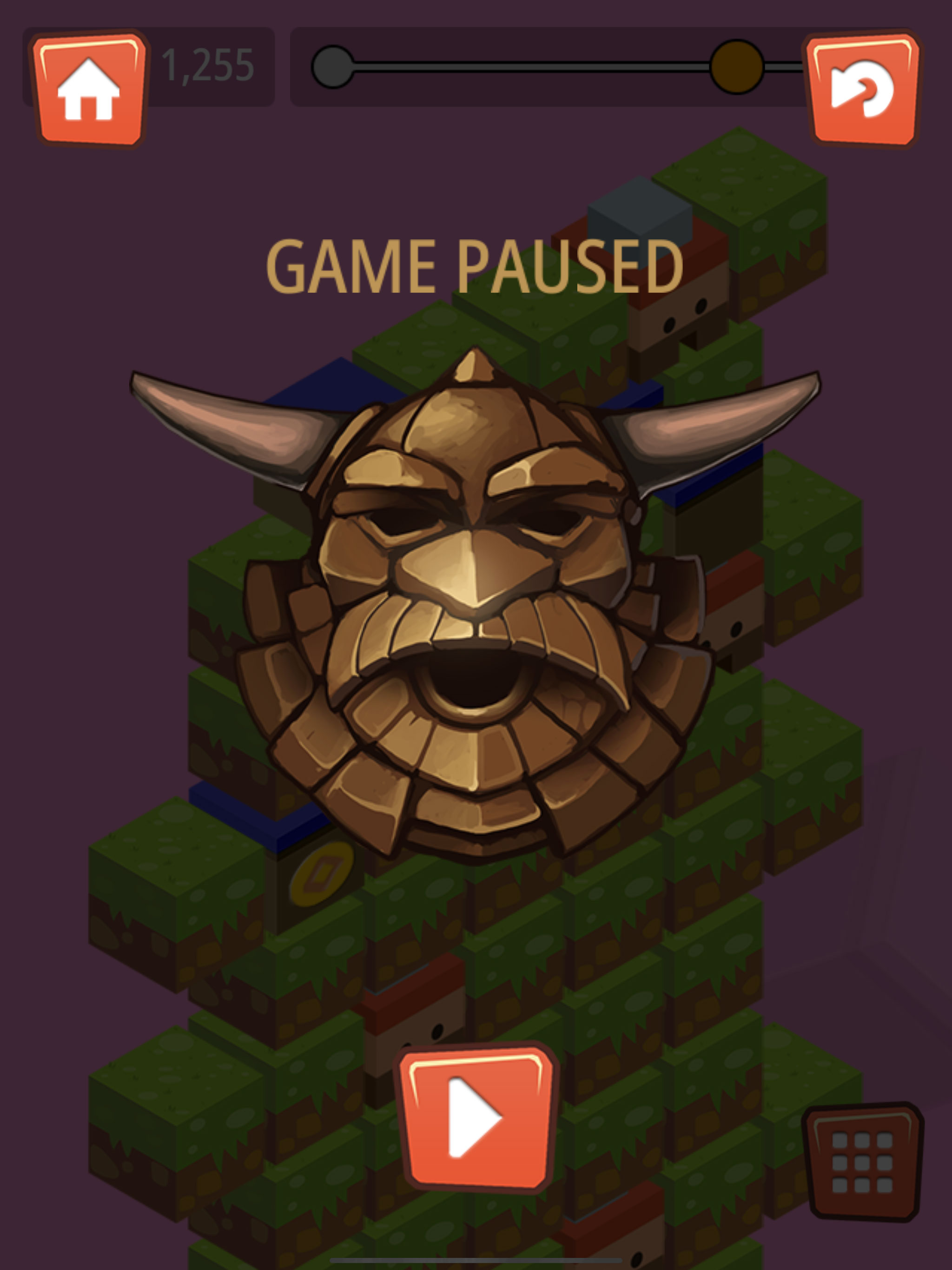
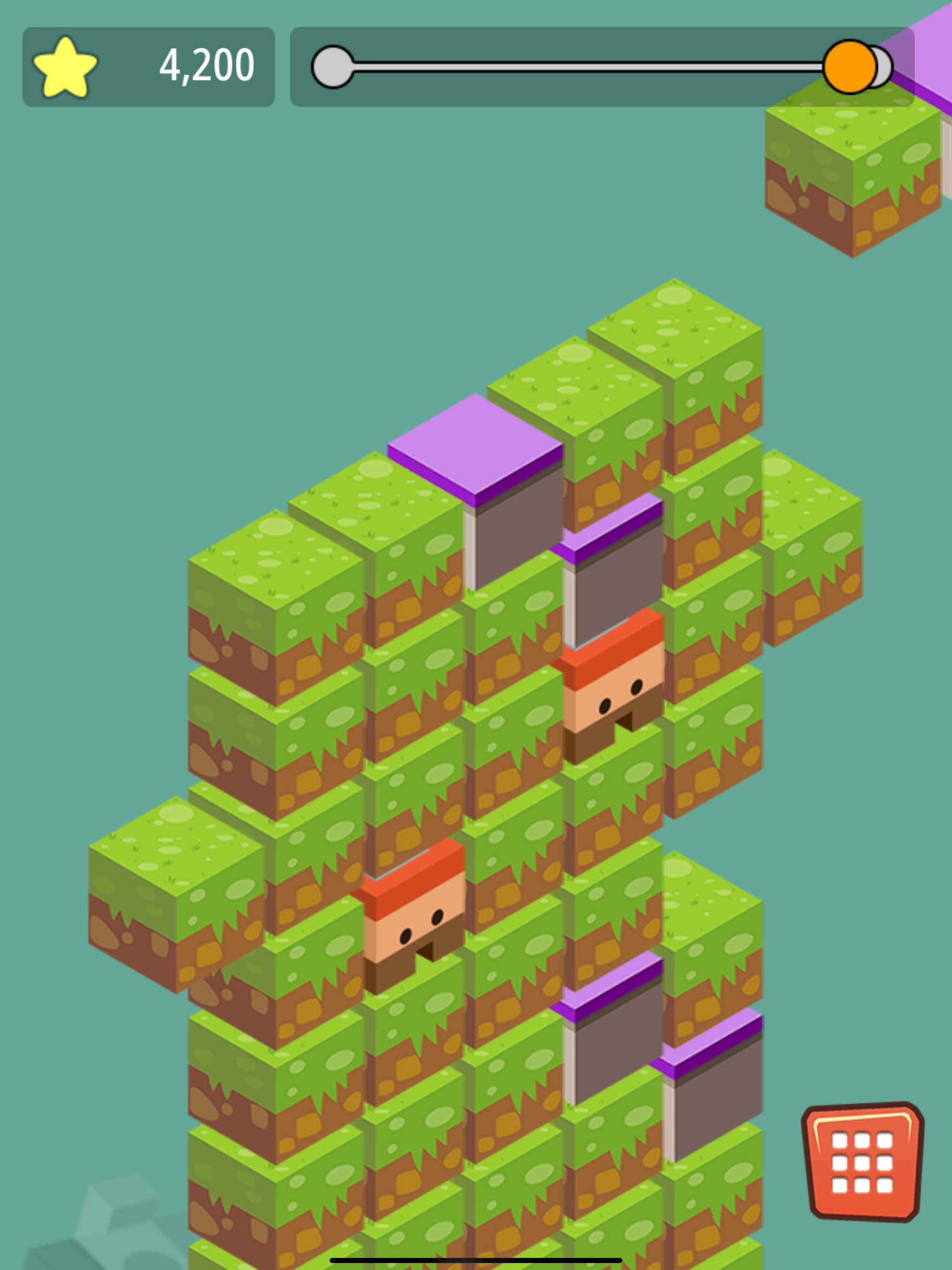
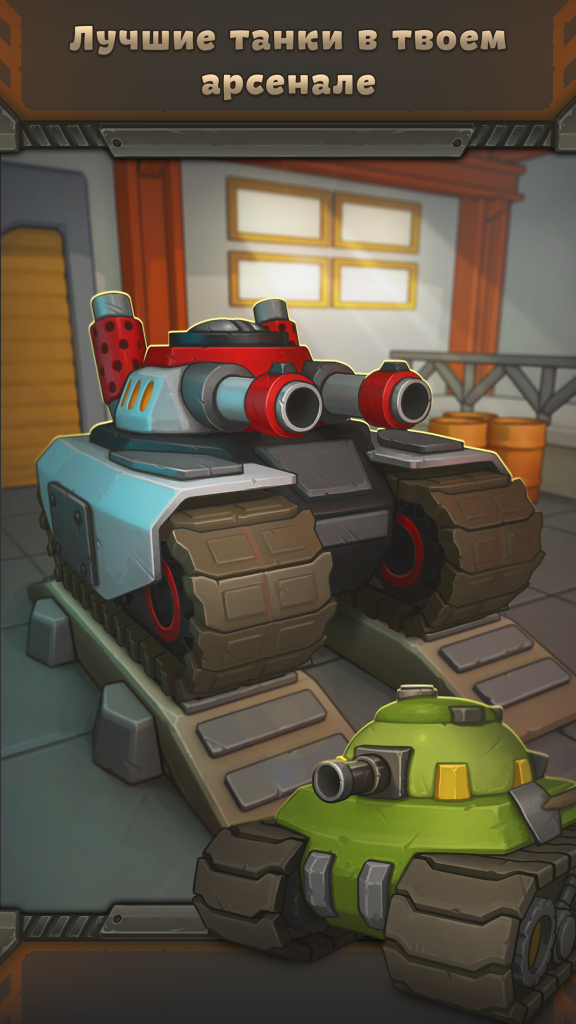
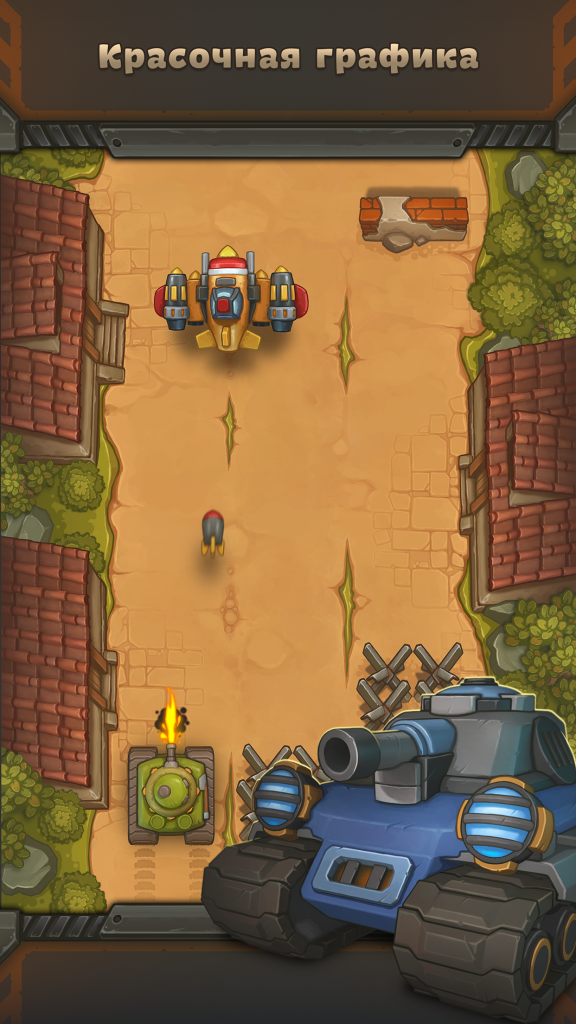
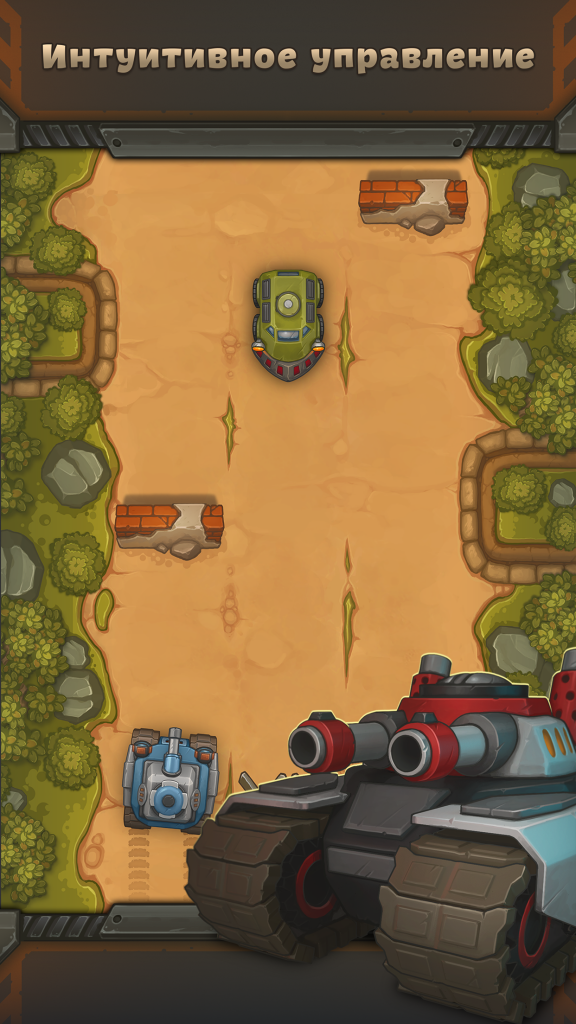
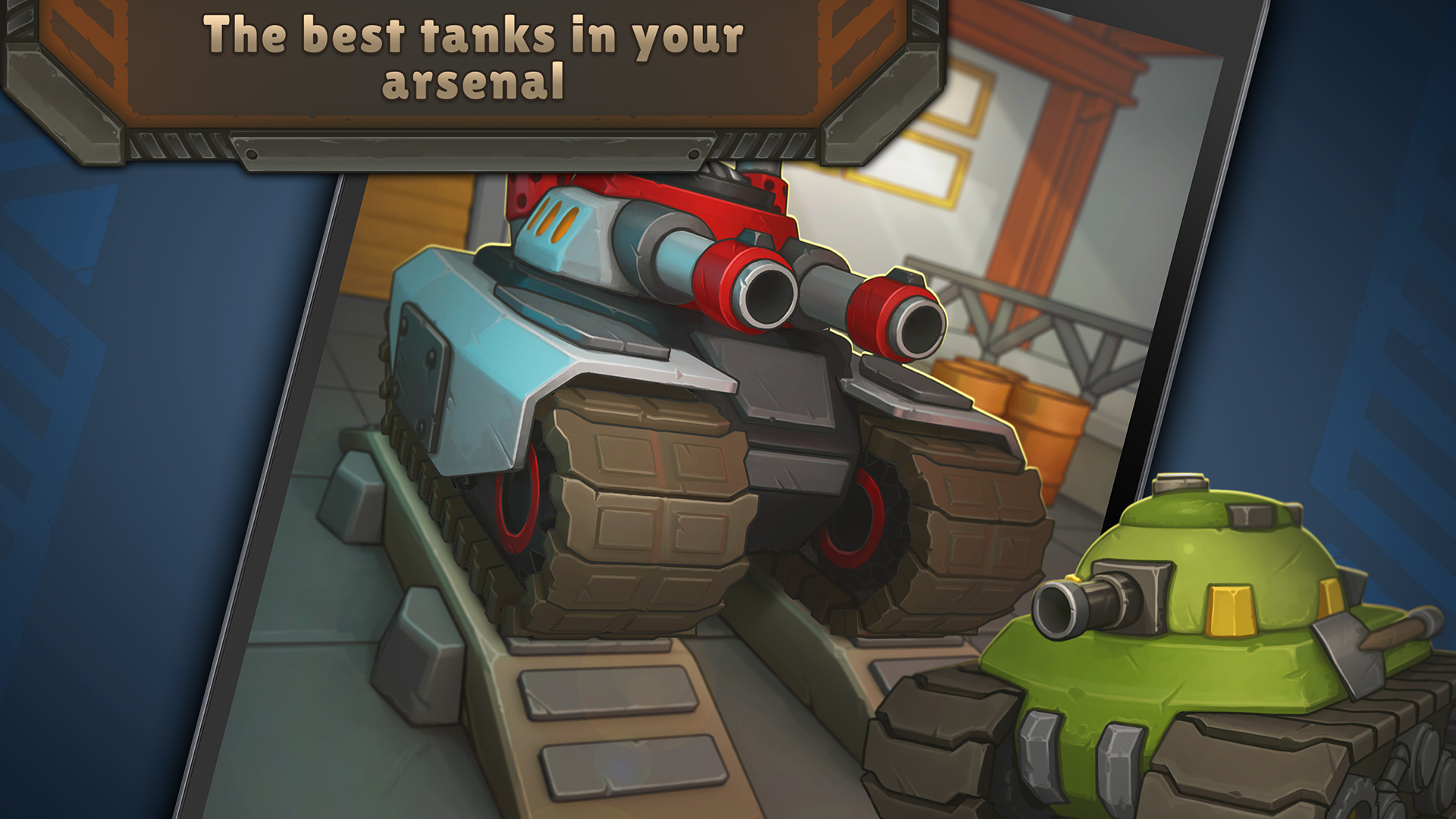
Ripple Jump is a hyper-casual game inspired by UQ42. Both projects were developed by a small team of four, using my custom C++ engine. The original plan was to hand the game over to a publisher, but unfortunately it didn’t perform well in terms of metrics. I believe the main issues were the level balance, excessive difficulty at times, and a lack of dynamic gameplay in certain situations.
The first version came together fairly quickly, but the final build ended up consuming far too much time. One of my biggest mistakes was trying to please every “expert” who had an opinion on how a feature should be implemented. Their advice often led to unnecessary changes, while none of them were risking their own time or money. Looking back, this was a significant factor in the project’s failure.
Although the game never had a built-in editor, it did include the ability to load balance settings and custom levels externally, and even launch arbitrary levels. Naturally, this functionality was disabled in the release build.
Ripple Jump supports both portrait and landscape orientations. The mechanics are simple enough that it could be played not only on mobile devices, but also on Android TV, Apple TV, or even desktop in landscape mode. Development began on macOS with support for macOS and Web builds, and closer to release I added projects for iOS and Android.
It’s unfortunate that the game turned out to be a commercial failure, because I truly like both the art style and the core idea. Maybe someday I’ll revisit the project, rework the level balance, add a few new mechanics to improve variety, and build proper versions for Apple TV and Android TV.
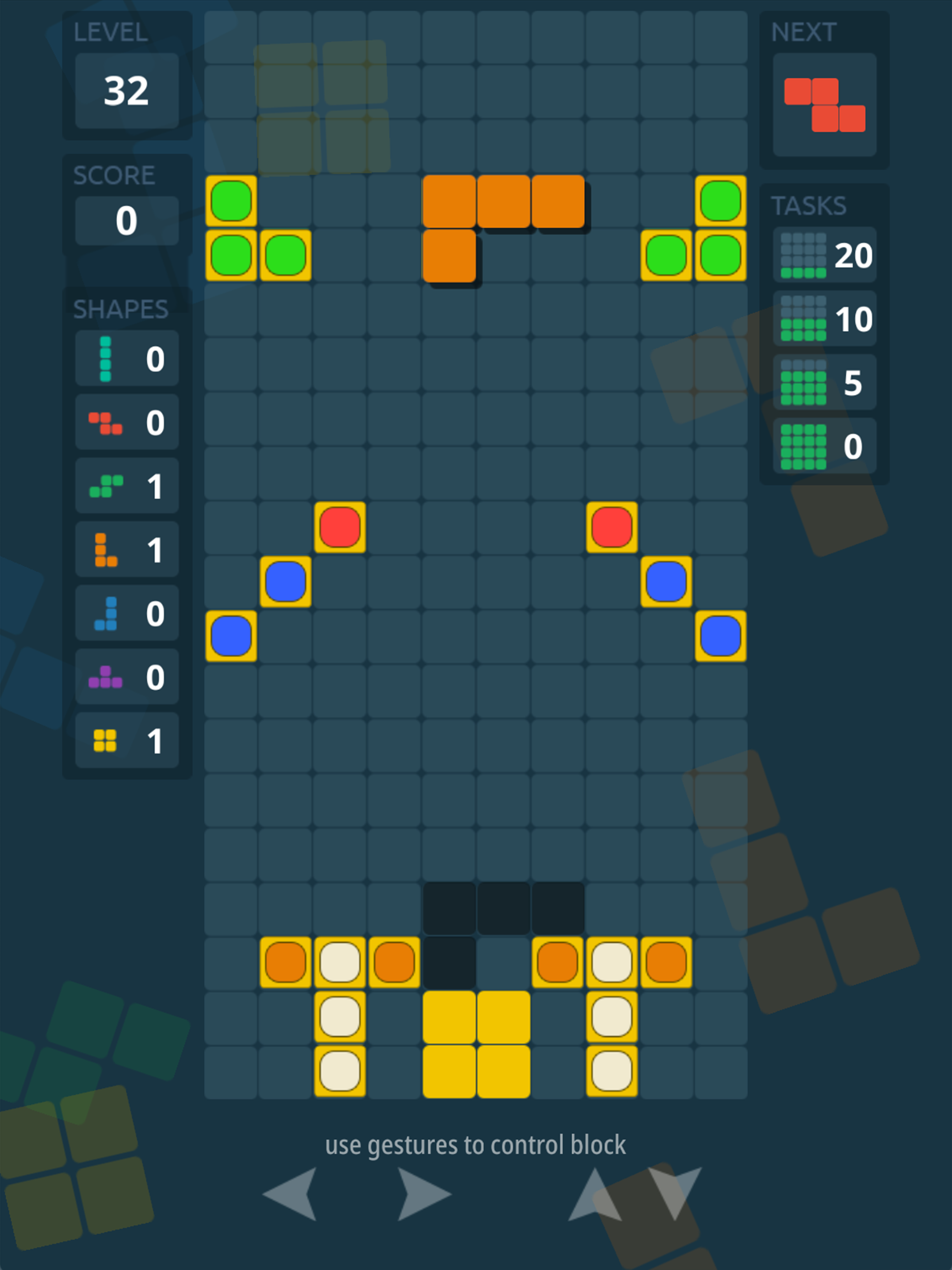
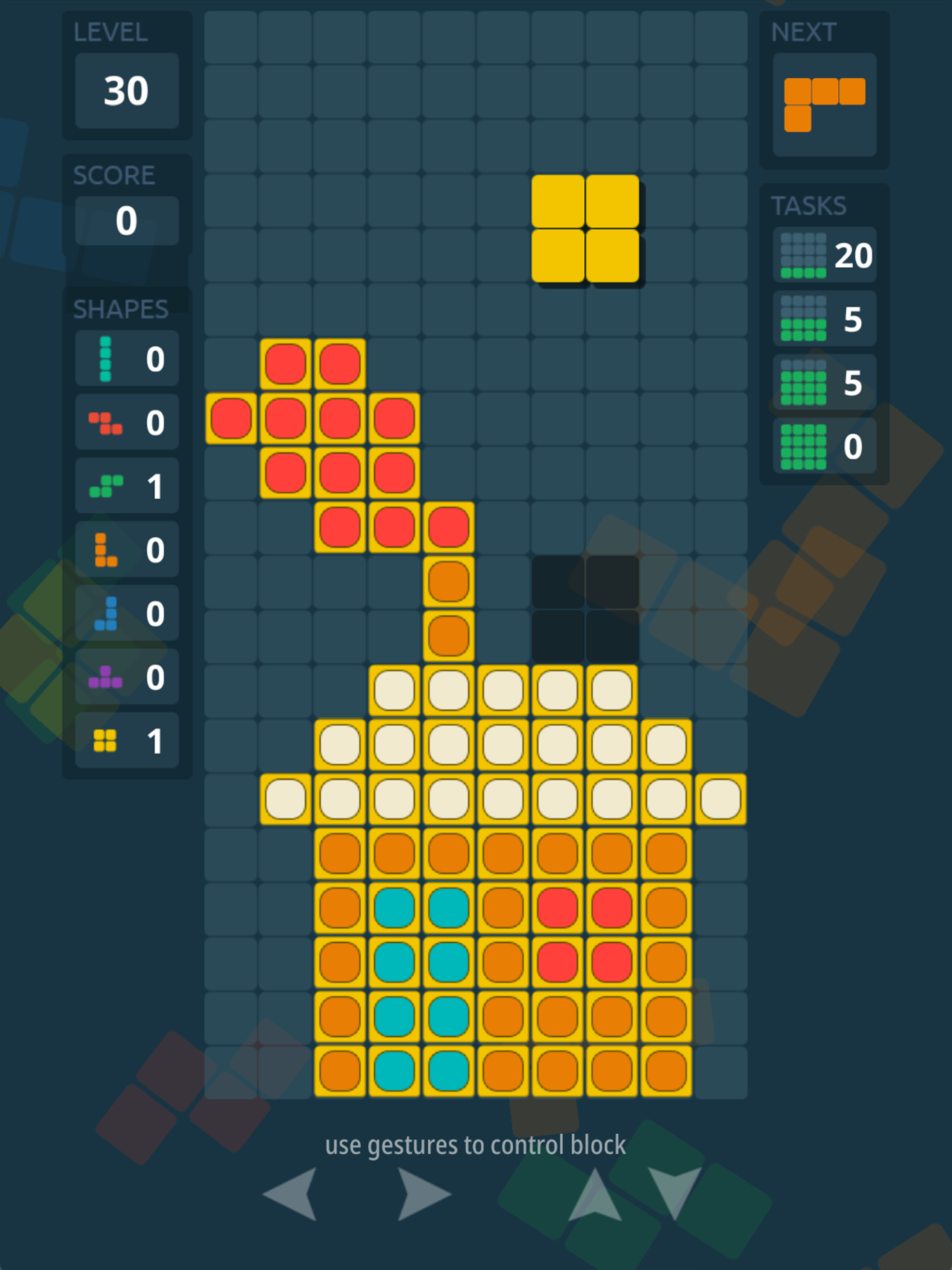
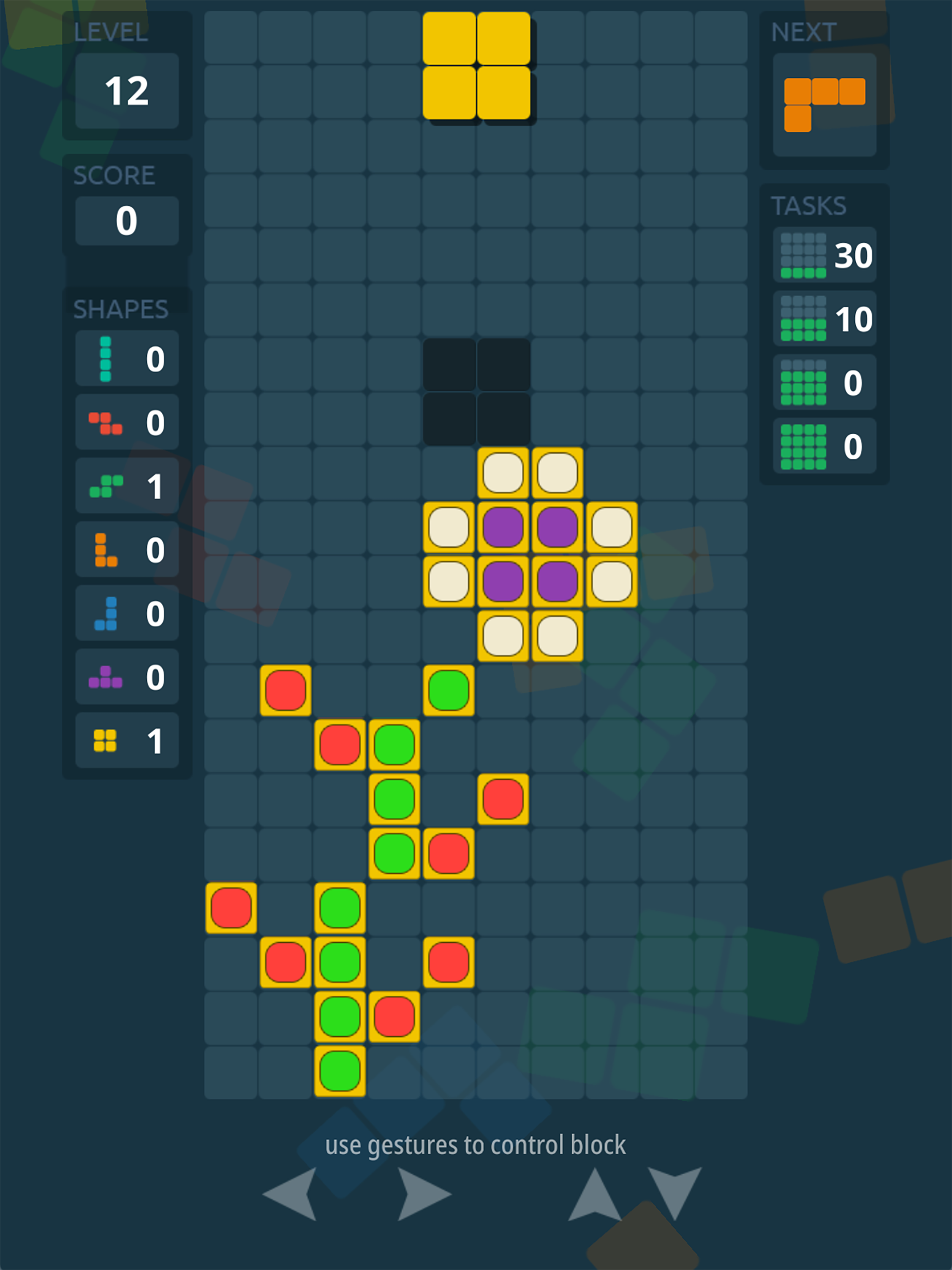
Tricky Blocks is a classic Tetris-style game with expanded gameplay. Players progress through levels by completing various objectives. These can include destroying a specific shape or clearing a certain number of lines – single, double, triple, or even quadruple.
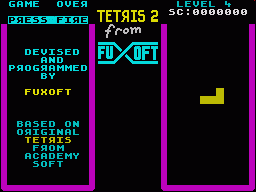
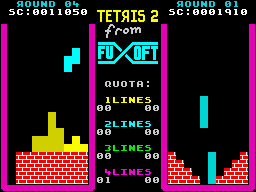
The game is inspired by the original Tetris from Fuxoft. Below are a few screenshots of the original game running on the ZX-Spectrum.
On mobile devices, the game is controlled via gestures, while on the web and desktop, you can use a keyboard.
Tricky Blocks is available on iOS, Android, Facebook Instant Games, Yandex.Games, and the web. The game is built on my custom C++ engine, which I use for all of my projects. Since development was done on macOS, a version for this platform is also available.
The game includes a level editor, allowing you to create and edit levels and test them immediately. The editor is only accessible in the developer version; it is not included in the public release.
One unique feature of Tricky Blocks is that shapes move smoothly across the grid, rather than snapping abruptly from cell to cell, as in most Tetris games.
The most challenging part of development was iterating on the game design and interface layout to make it look good across different aspect ratios. I solved some of these issues, but I believe there’s still room for improvement. Designing and balancing the levels was also difficult – and unfortunately, the balance isn’t perfect yet.
Cubic Tower is a classic arcade game that has made its way from the old-school arcade machines to modern mobile devices and desktops.
In this new version, I’ve switched to the latest build of my custom C++ engine AGE, refreshed the game’s interface, and reworked the core gameplay. The game now features proper levels, the option to continue after a missed block, and a smoother introduction of super cubes so that new players aren’t overwhelmed by too many features at once.
As always, the game is available on iOS, tvOS, Android, Android TV, and Web (on my website, Facebook, OK, VK, and Yandex.Games).
The Web version includes a custom-built game center that stores leaderboards and player profiles. This allows VK and OK users to keep their progress even if they switch browsers or devices – start on desktop, continue seamlessly on mobile.
There’s nothing particularly “secret sauce” about the game – animations and sequences are all handcrafted with my own action system. Thanks to the AGE engine, the game is easily portable across platforms. A new update is already in the works: it will fix the animation for precise block placement, improve navigation with keyboard, gamepad, or TV remote, and most likely rework the super cube, which currently duplicates the last placed block.
Worms Zone – a game about worms, or slither.io on steroids
At first, I didn’t even think of making a game. I just wanted to try implementing smooth worm movement – where the segments don’t follow the exact path given by the player, but behave more naturally. Yes, it’s a bit more complex and requires more calculations, but the movement looks much nicer and more interesting. My first tests were done in a Java-like language using Processing. After about an hour, I had a working prototype – a project on GitHub.
Watching the worms eat “apples” in my prototype, I decided to move forward with developing a full-fledged game.
I first rewrote the worm movement algorithm in C++ and then began refining it. The most important part was to pass the “coiling test” – when a player curls the worm into the smallest possible loop. Most games of this kind fail here: the worm’s tail stops moving, and only the head and a few segments follow, which looks awful.
Once I had an algorithm that passed the coiling test, I ran into a new issue: long worms had many “invisible” segments hidden behind others on the screen. Time to refine the algorithm – the tail still follows the head, but the number of visible and calculated segments decreases. When the worm moves straight again, the segment count returns to normal.
Then came the small details: when boosting, the worm should lose mass, becoming shorter and thinner. When moving normally and eating goodies, the worm should grow in both length and width. These details turned out trickier than they seemed at first – always a nuance, and here there were many 🙂
Game development and gameplay evolution
Worm bots were added to the arena, and their AI gradually improved. The first versions of the AI were, frankly, terrible. Now the bots are much smarter – and sometimes even cheeky.
I experimented with the interface. Unfortunately, I’m no designer or artist, so the result is what it is.
Gradually, support for different platforms was added – iOS, Apple TV, Android, Android TV, Web, Linux, Facebook Instant Games, OK, VK, and more. Since development was done on macOS, that was the first platform the game worked on.
I implemented multiple control schemes – mouse, remote control, gamepad, keyboard.
Gameplay evolved with new power-ups: a temporary worm extender; a radar showing other worms on the map; and a 5x multiplier for rapid growth and score boosts.
Balancing gameplay is still ongoing. I haven’t yet found the ideal parameters for arena size and maximum worm count; worm growth and weight loss rates; and the cost of skins and customization.
Over time, the game accumulated various features. Skins with textures were added, and I wrote a simple Photoshop plugin to make textured skins easier to create. It was very basic – it automated only a small part of the process, so some steps still had to be done manually.
A few technical details
All sprites (UI, skin elements, effects, power-ups) are stored as separate files. During the resource build stage, atlases and descriptions are generated – all done via the console. Yes, I love the console. The atlas packer, of course, is my own.
I also wrote a simple shader implementing a “circular indicator” to show remaining power-up time. I based it on one of my older shaders available on ShaderToy. Nothing fancy – it could have been done without it.
The game supports multiple languages: English, Russian, French, Spanish, Vietnamese. Adding a new language is no problem — you just need to order a translation. The game uses the free Google Noto TTF font, which contains glyphs for many languages, and the required character atlas is generated at runtime.
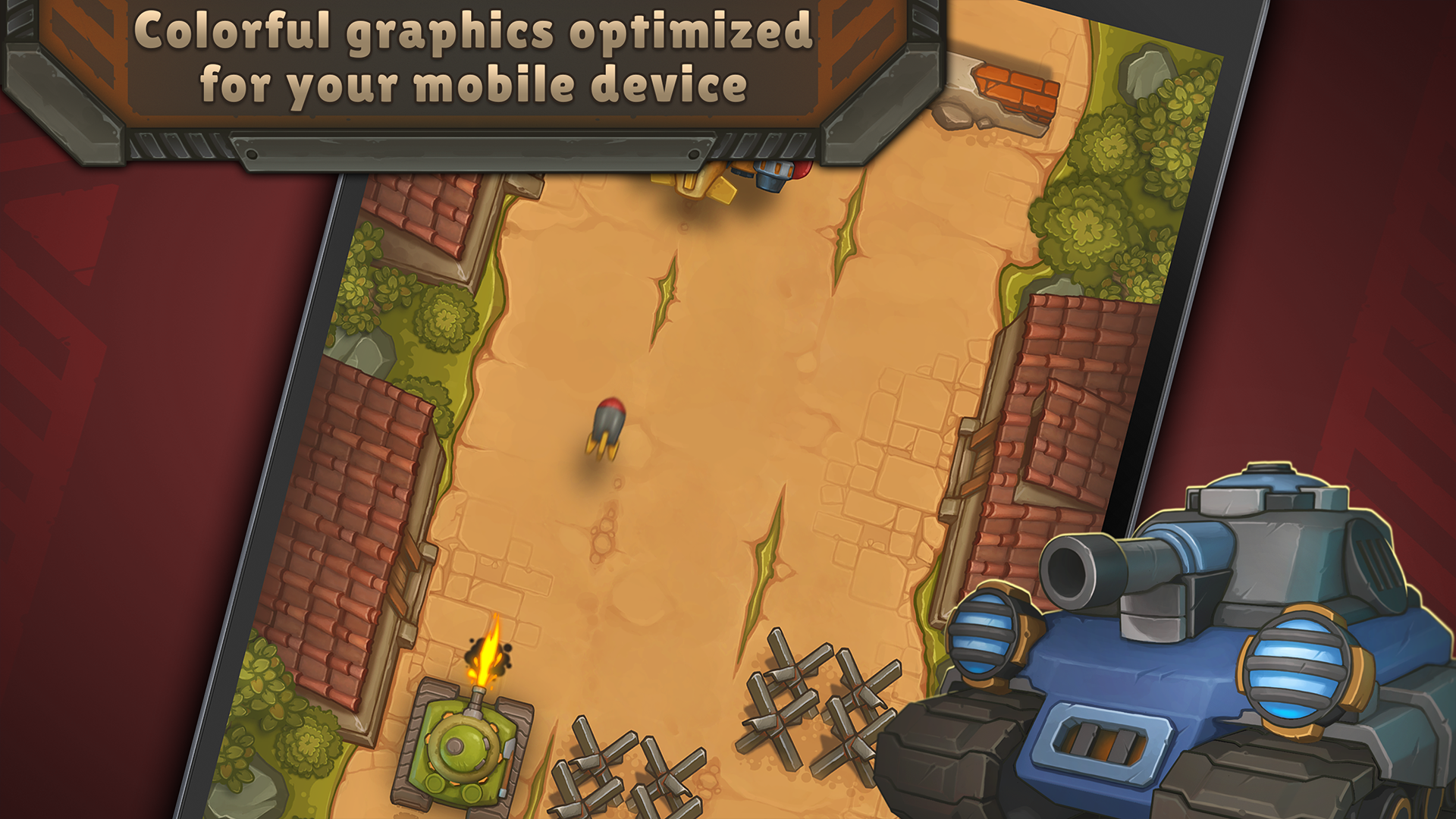
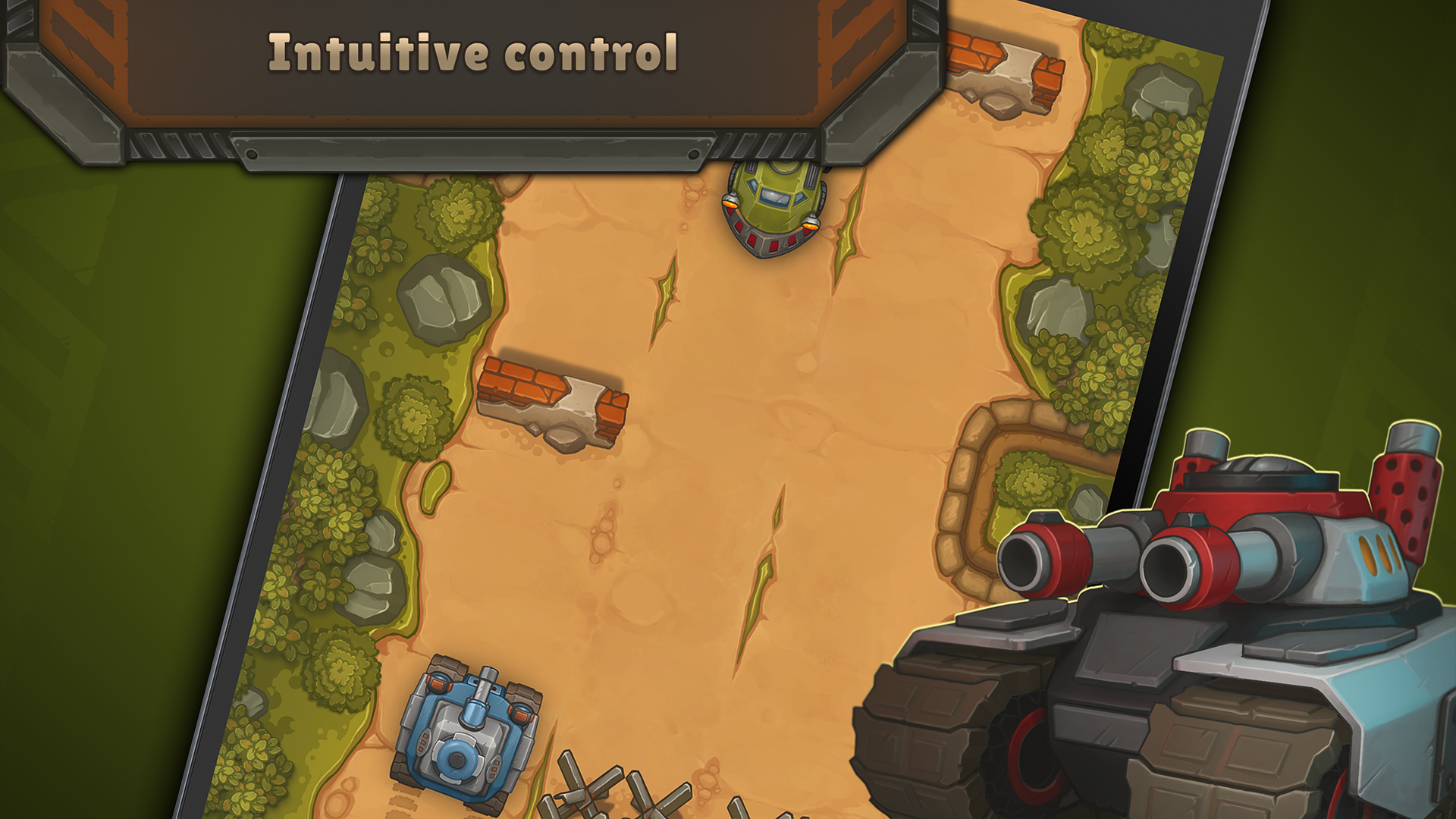
Way of Tanks is a tank runner game with endless gameplay and diverse tracks. Players control a tank using swipes, keyboard buttons, or Apple TV gestures, aiming to cover as much distance as possible without hitting obstacles or dying in boss battles.
The tank can switch lanes, shoot, and even jump over trenches – yes, it’s that kind of modern tank! The game features various power-ups that temporarily enhance the tank’s abilities: agility, super shots, doubling collected coins, or the ability to break through obstacles.
Players can also use coins collected during runs to purchase new tanks or upgrade existing ones. There are four tanks in total, each with unique stats and capabilities.
With the permission of Ogurec Apps, I took on porting Way of Tanks from Java to iOS, tvOS, macOS, Linux, and Web, using my old but familiar and convenient game engine. The game is now ready to be handed over to its owner, though I retain the source code of both the game and the engine.
The game is already available in the browser – Way of Tanks. Hopefully, it will soon appear on the Apple AppStore for iOS, tvOS, and macOS. As for Linux, the decision rests with Ogurec Apps, but I really hope they won’t mind.
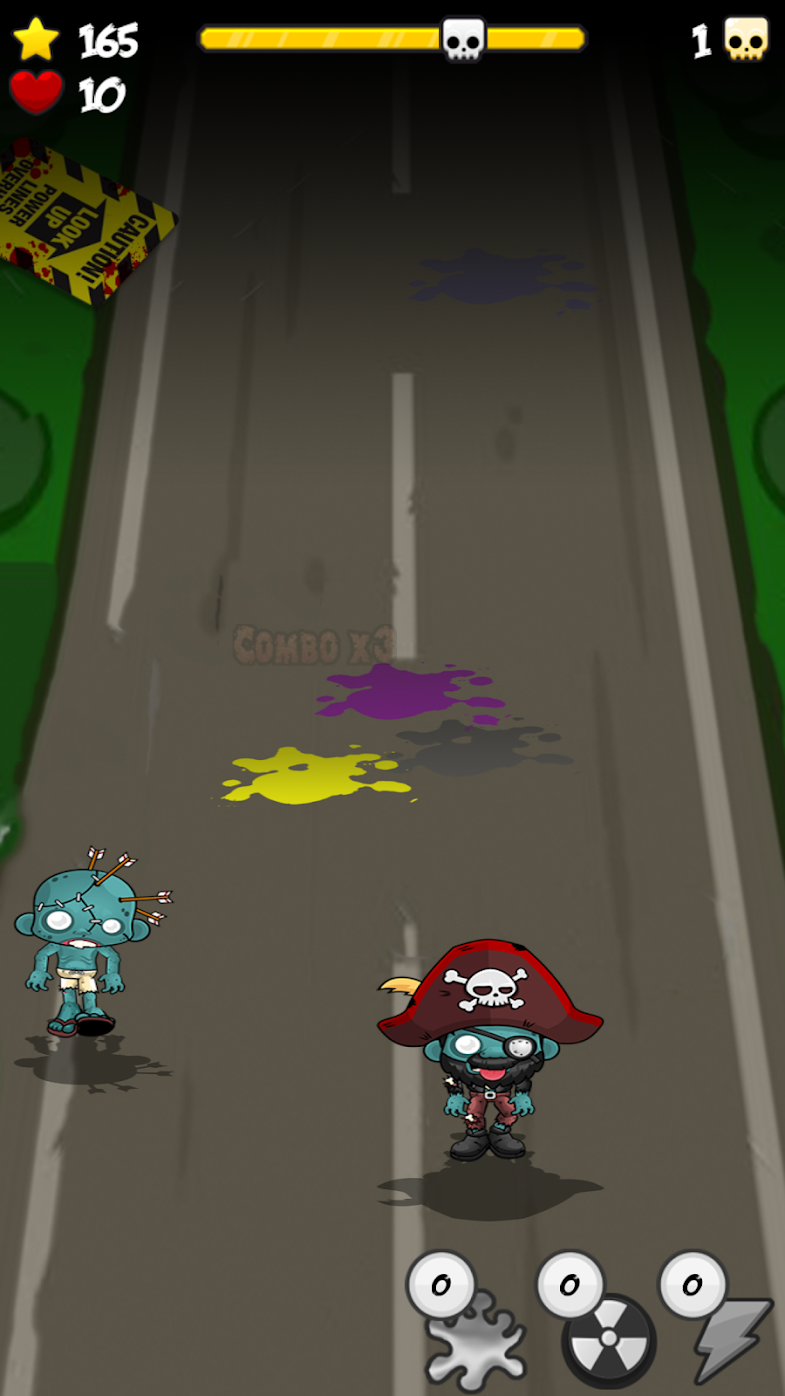
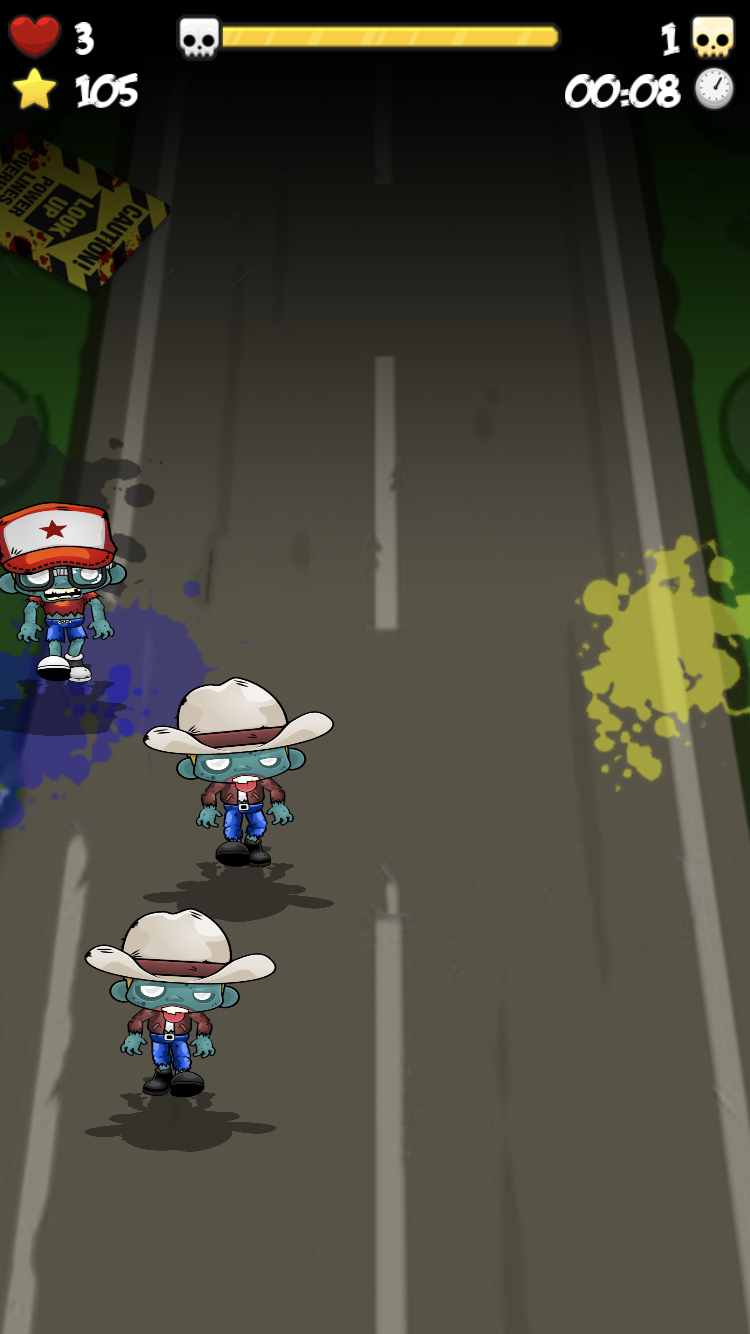
Not all zombies are equally useful. Crush them all, but be careful – some zombies aren’t quite ordinary.
The rules are simple: tap a zombie to kill it and use power-ups wisely.
All the artwork was purchased from specialized stock sources. There was nothing unusual during development – I was just making another game.
The only exception was the button. I had to make a change in the engine – adding a new event to the button widget, which was needed for the power-ups. I could have created a specialized widget instead, but I decided that extending the functionality of the standard button would be useful for future projects.
To provide the best experiences, we use technologies like cookies to store and/or access device information. Consenting to these technologies will allow us to process data such as browsing behavior or unique IDs on this site. Not consenting or withdrawing consent, may adversely affect certain features and functions.
Functional
Always active
The technical storage or access is strictly necessary for the legitimate purpose of enabling the use of a specific service explicitly requested by the subscriber or user, or for the sole purpose of carrying out the transmission of a communication over an electronic communications network.
Preferences
The technical storage or access is necessary for the legitimate purpose of storing preferences that are not requested by the subscriber or user.
Statistics
The technical storage or access that is used exclusively for statistical purposes.The technical storage or access that is used exclusively for anonymous statistical purposes. Without a subpoena, voluntary compliance on the part of your Internet Service Provider, or additional records from a third party, information stored or retrieved for this purpose alone cannot usually be used to identify you.
Marketing
The technical storage or access is required to create user profiles to send advertising, or to track the user on a website or across several websites for similar marketing purposes.